 RSS
RSS

Refrigerants


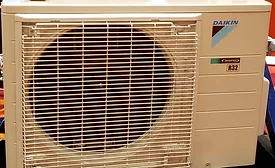

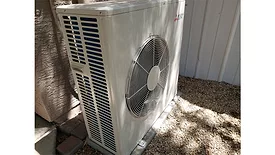
New Standard Allows Higher A3 Charge In A/C
Flammable refrigerants such R-290 could be used in larger air conditioners and heat pumps
Read More
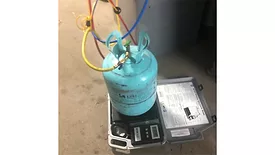
Determining the Correct Refrigerant Charge
Several methods can be used to ensure the right amount is used in a refrigeration system
Read More

HVACR Industry Fights Refrigerant Cylinder Changeover
Court brief says EPA overstepped authority in banning disposable cylinders
Read More

States Update Codes to Allow A2L Refrigerants
Equipment containing the new refrigerant is now available in four states, with more to come
Read More
Proper Brazing Can Lower Refrigeration Costs
Reducing and eliminating refrigerant leaks can help customers save money
Read More
FAQs About A2Ls
HVACR professionals have questions about the new mildly flammable refrigerants
Read More
EPA Revisits HFC Allocation Rule for 2024
Stakeholders weigh in on how to allocate allowances in future years
Read More