DOE Updates $8.8B Home Energy Rebate Program Guidance
HOMES and HEEHR programs provide homeowners with rebates for HVAC upgrades
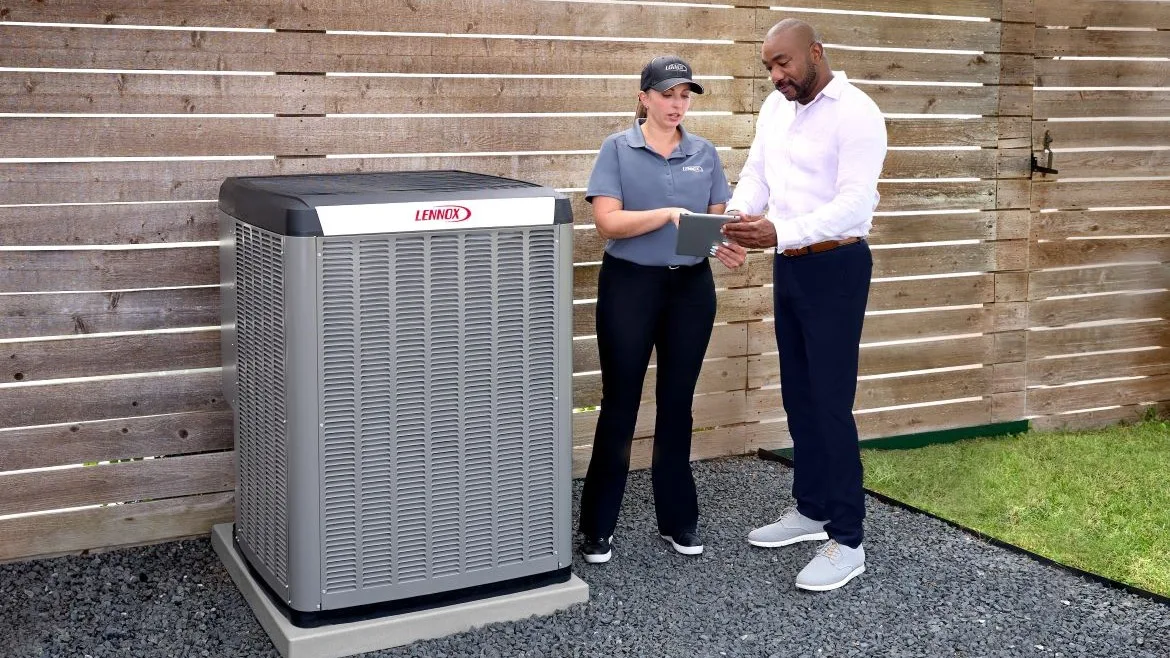
HVAC REBATES: The Department of Energy’s new guidance on its HOMES and HEEHR rebate programs may help customers afford HVAC upgrades but dissuade replacing fossil-fuel equipment.
The Department of Energy updated and resumed its Home Energy Rebates Program, backed by $8.8 billion in funding through the Inflation Reduction Act to make energy-efficient upgrades more affordable for homeowners.
The program consists of two rebate programs: the Home Owner Managing Energy Savings Rebates (HOMES) and the High-Efficiency Electric Home Rebate (HEEHR) Program.
The HOMES program provides rebates for eligible air sealing and HVAC equipment upgrade projects for all income levels. According to the DOE website, homeowners can save up to $8,000 on home upgrades based on modeled energy savings levels, with a minimum savings of 20%.
The HEEHR program provides rebates for the purchase and installation of electric HVAC equipment and energy-efficient appliances to reduce energy bills. Households can save up to $14,000 on upgrades at the point of sale through retail outlets or through contractors.
The DOE says the program is available in select states. Participating state energy offices will need to revise their programs under the new guidance in the next three months.
The earmarked $8.8 billion in federal funding for the program originated with the Inflation Reduction Act. President Donald Trump paused the distribution of the funding after entering office through his Unleashing American Energy executive order.
Zac Johnson, senior policy lead – codes and rebates with Heating, Air-conditioning & Refrigeration Distributors International, said the guidance expands flexibility for incremental rebate claims for insulation, air sealing, ventilation, or electrical wiring projects, which could help consumers complete projects over time rather than requiring a single large investment.
Looking for quick answers on air conditioning, heating and refrigeration topics? Try Ask ACHR NEWS, our new smart AI search tool. Ask ACHR NEWS
“It also allows grantees to use rebate funds to cover appropriate state or local taxes, warranties, or necessary accessories. This makes the spending power of the rebate much more wholesome,” he said. “However, it is important to remember that DOE has largely established the framework, but states ultimately determine how these flexibilities are incorporated into their individual programs.”
Concerns Over Inspections
Air-Conditioning Contractors of America noted that changes to the program could affect the quality of installations.
According to ACCA, the prior guidance was complicated by unrelated administration goals, so the revised versions will speed up implementation. However, the association expressed concerns over eroded post-installation inspection and commissioning verification requirements, which were put in place to ensure homeowners received the projected energy savings.
ACCA noted these requirements are vital since up to 90% of residential HVAC installations have significant installation faults, costing 30% to 50% of rated efficiency.
“Certified quality installation is an essential safeguard against fraud, waste, and abuse, so we look forward to working with state energy offices and program implementors to ensure that consumers and taxpayers get what they pay for,” ACCA said in a blog post.
Fuel Switching Reduced
For the HEEHR program, the new guidance removed allowances for upgrades for fuel-switching and instead allows rebates for upgrading HVAC equipment from existing electric equipment to more efficient electric equipment.
Electric HVAC in new construction will be allowable, and dwellings with fossil-fuel HVAC systems can retain them even if a heat pump does not become the main source of heating and cooling. These changes bring the HEEHR program in line with Section 50122 of the IRA, which focuses on electrification.
Johnson explained that the IRA references rebates for “qualified electrification projects” as a central purpose. However, common industry usage of electrification usually refers to replacing equipment powered by fossil fuels.
“From a market perspective, this change could reduce incentives for heat pump installations and other projects that involve replacing gas, propane, or oil-fired equipment,” Johnson said. “It also creates some uncertainty regarding how states will interpret and implement these requirements, especially for those states whose rebate programs are currently live.”
The revisions clash with both ACCA and HARDI’s fuel-neutral view toward energy efficiency that encourages contractors and homeowners to choose the most cost-effective and appropriate solutions.
ACCA points out a silver lining with this adjustment, saying the guidance may spur additional interest in dual-fuel solutions that are often the most appropriate and cost-effective solutions for most homes.
The new guidance has also moved away from prescribing specific equipment, such as making ENERGY STAR requirements optional.
Johnson said distributors are a critical link between manufacturers, contractors, and consumers, and should help educate contractors on qualifying products, rebate requirements, and program changes.
“[Distributors] also play a critical role in rebate programs that take a midstream approach where rebates flow directly to the distributor and then downstream to the contractor and consumer,” Johnson said.
DEI Changes
The revised programs removed diversity, equity, and inclusion mandates. Along with removing a 40% reserved allocation funding for disadvantaged communities from the HOMES program, the revised guidance no longer has mapping requirements or outreach incentives.
Grantees need to provide either a contractor or aggregator with $200 for each dwelling unit located in a disadvantaged community upon completion and verification of the installation. They must also define and determine whether a home is in a disadvantaged community and provide contractors and other interested parties with the ability to make that determination.
“Contractors should closely monitor updates from their state energy office over the coming months and work with their distributors for questions of product eligibility,” Johnson said. “While DOE has issued revised guidance, states now have the responsibility of incorporating those changes into their individual rebate programs, and implementation will vary from state to state.”
Looking for a reprint of this article?
From high-res PDFs to custom plaques, order your copy today!