Guest Column
Heat Pump Hype to Hands-On Reality: The HVAC Skills Gap Contractors Can’t Ignore
Across the industry, a widening skills gap is creating real challenges for contractors
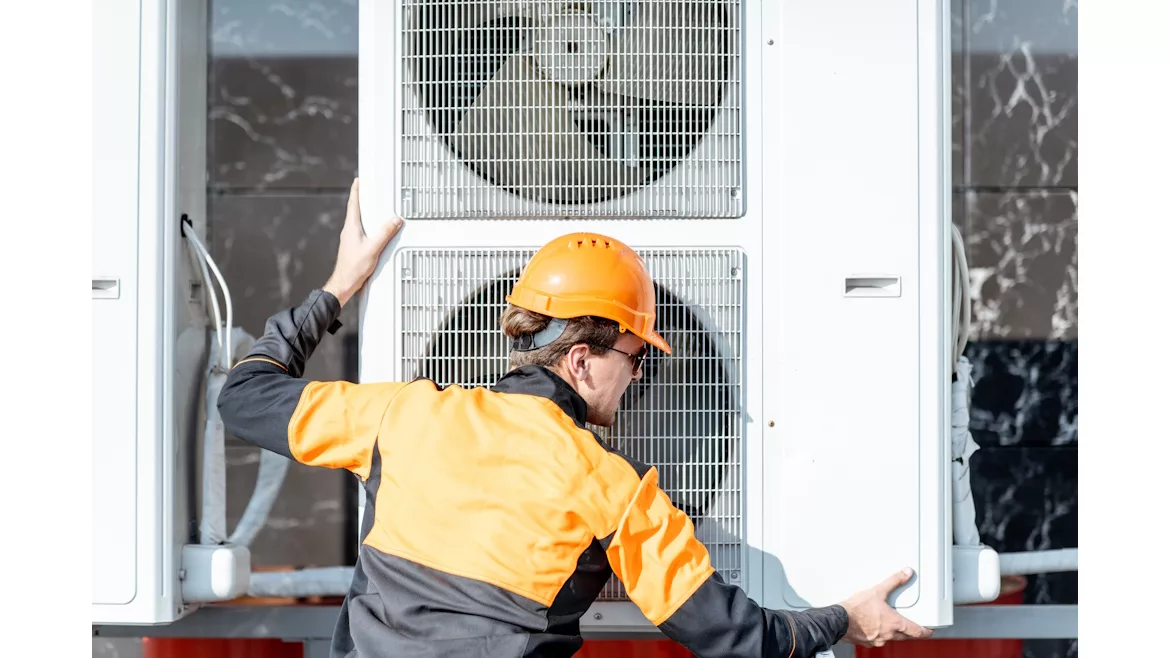
UP-TO-SPEED: The shift toward heat pumps and smart systems is raising the bar for technician training across the HVAC industry.
The HVAC industry is evolving at a pace few could have predicted a decade ago. Between the rapid adoption of heat pumps, increasingly sophisticated smart systems, and tightening environmental regulations, today’s contractors are being asked to do more and do it better.
But while technology is advancing quickly, workforce readiness isn’t always keeping up. Across the industry, a widening skills gap is creating real challenges for contractors.
The Shift to Heat Pumps Is Driving Higher Standards
Heat pumps have become a focal point of HVAC innovation, driven by consumer demand for energy-efficient solutions. However, installing and servicing these systems isn’t simply a matter of swapping out traditional equipment.
Heat pumps require a deeper understanding of system design, load calculations, airflow, and controls. Improper sizing or installation can lead to performance issues, higher energy costs, and customer dissatisfaction problems that ultimately fall back on the contractor.
For many teams, the challenge isn’t the willingness to adopt new technology; it is ensuring technicians have the hands-on experience and up-to-date knowledge needed to install and maintain these systems correctly.
When Training Falls Behind, Contractors Feel It
The consequences of the skills gap show up quickly in day-to-day operations. Contractors may see:
- Increased callbacks due to installation or diagnostic errors
- Longer project timelines as technicians troubleshoot unfamiliar systems
- Difficulty taking on more complex or higher-margin work
- Strain on experienced team members who are relied on to fill knowledge gaps
In a competitive market, these inefficiencies can impact both profitability and reputation.
Looking for quick answers on air conditioning, heating and refrigeration topics? Try Ask ACHR NEWS, our new smart AI search tool. Ask ACHR NEWS
At the same time, evolving regulations — particularly those related to refrigerants and energy efficiency — require technicians to stay current on certifications and compliance standards. Falling behind can become a business liability.
Building a Stronger Workforce Beyond Technical Skills
While technical expertise is critical, the skills gap extends beyond equipment knowledge. As HVAC systems become more integrated and projects become more complex, contractors increasingly need teams that can communicate effectively, collaborate on installations, and manage customer expectations.
Consistency across a team is key. When technicians share a common understanding of best practices and emerging technologies, projects run more smoothly, and clients receive more reliable service.
There’s also a growing need for leadership within the trades. Experienced technicians are often promoted into supervisory roles — technical ability alone doesn’t always translate into effective team management. Developing skills like communication, project coordination, and mentorship can make a measurable difference in team performance.
The Vital Role of Knowledge Transfer
One of the most effective ways to address the skills gap is through mentorship. Experienced technicians play a vital role in guiding newer team members, helping them to build confidence and develop practical skills in real-world settings.
This kind of knowledge transfer benefits not only individual employees but also the entire organization. Teams that prioritize mentorship are better positioned to maintain service quality, adapt to new technologies, and build a sustainable workforce pipeline.
However, mentorship alone isn’t enough if senior technicians themselves haven’t had opportunities to upskill on newer systems like heat pumps or advanced controls. Continuous learning needs to happen at every level.
Expanding Skills to Match Industry Demand
As HVAC systems grow more complex, so do the opportunities within the field. Technicians with advanced training in areas like commercial systems, energy management, and smart controls are increasingly in demand.
For contractors, this creates both a challenge and an opportunity. Investing in skills development can open the door to new service offerings such as high-efficiency retrofits, system optimization, or consulting on large-scale projects while also helping teams stay competitive in a changing market.
At the same time, technicians who broaden their skill sets are better equipped to adapt as the industry continues to evolve, whether that means working with new technologies or navigating shifting customer expectations.
Turning a Challenge Into a Competitive Advantage
The HVAC skills gap isn’t going away overnight. But contractors who take a proactive approach to training and workforce development can turn it into a competitive advantage.
That starts with recognizing that learning can’t be treated as a one-time event. Ongoing training —whether through hands-on experience, certifications, or structured development programs — helps ensure technicians stay current with both technology and best practices.
It also means creating a culture where knowledge sharing is encouraged, mentorship is supported, and continuous improvement is part of day-to-day operations.
The Bottom Line
In today’s HVAC landscape, staying current isn’t just about keeping up with new equipment; it’s also about ensuring teams have the skills and confidence to apply that technology effectively in the field.
As heat pumps and other advanced systems become more common, the gap between what’s possible and what’s practical will depend largely on workforce readiness. Contractors who invest in closing that gap will be better positioned to deliver quality work, build stronger teams, and meet the demands of a rapidly changing industry.
Looking for a reprint of this article?
From high-res PDFs to custom plaques, order your copy today!