The ACHR NEWS Centennial Anniversary Timeline

The ACHR NEWS Centennial Anniversary Timeline
For a century, ACHR NEWS has documented the moments that moved the HVACR industry forward — from early mechanical refrigeration and the rise of comfort cooling to refrigerant transitions, efficiency standards, and today’s push toward electrification. This timeline traces key milestones from heating, cooling, and our reporting — a record of equipment and innovation, and a story of an industry adapting, advancing, and building the modern world.
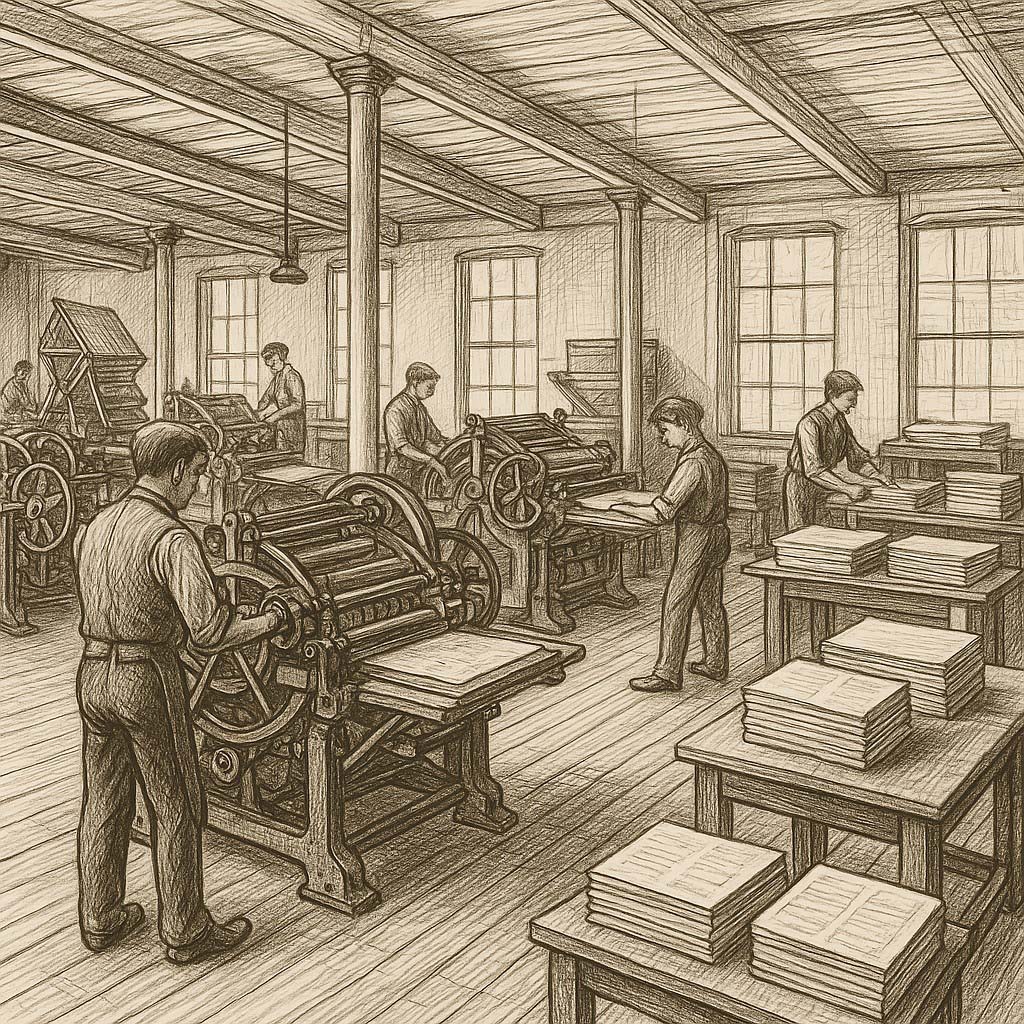
1902: Carrier invents an air conditioning system for Brooklyn, New York printing plant
1904: Air conditioning is publicly demonstrated at the St. Louis World’s Fair, introducing the concept of climate control to a mass audience
1914: Millionaire Charles Gates installs the first residential a/c system in his Minneapolis mansion
1914: World War I begins
1922: Carrier invents the centrifugal chiller, opening the door to large-scale comfort air conditioning
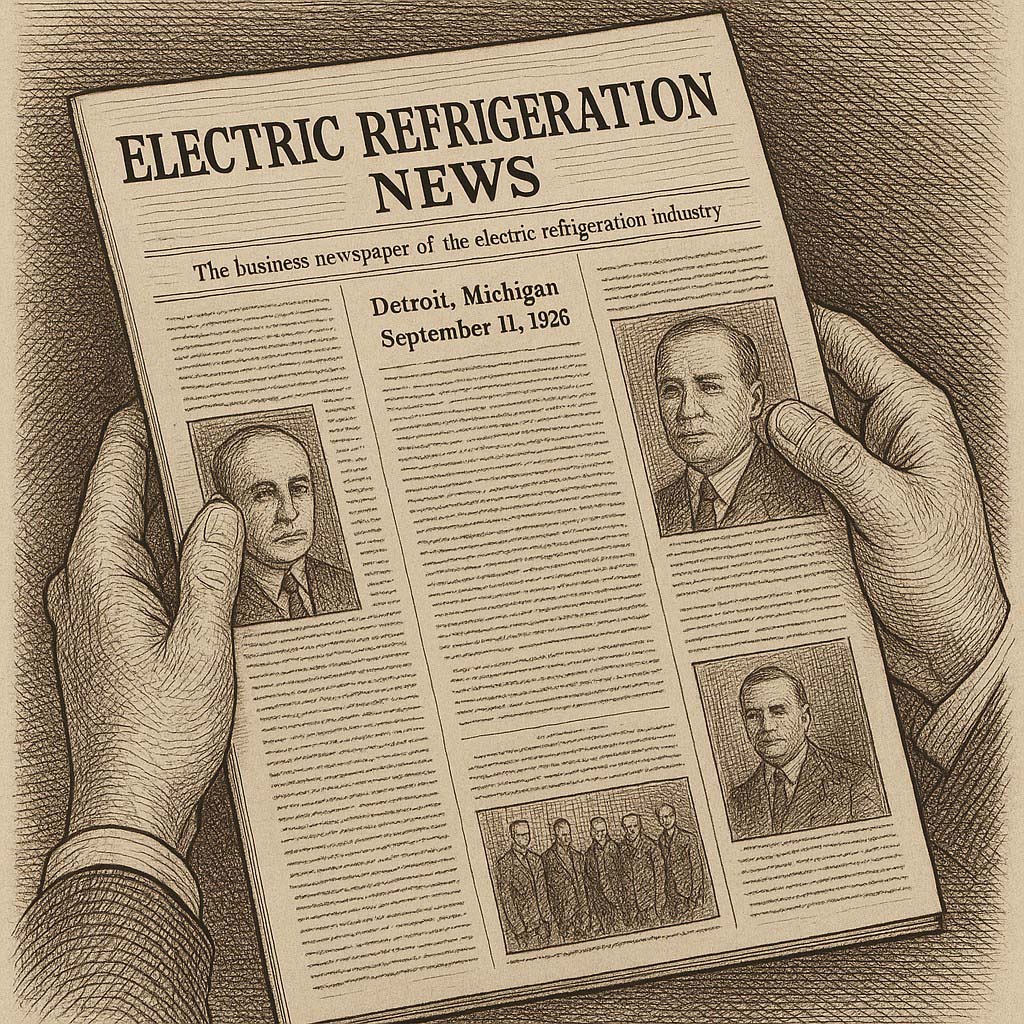
1926: The Electric Refrigeration News, a new business publication dedicated to the HVACR industry, debuts on September 11
1927: General Electric releases the "Monitor-Top," the first commercially successful, self-contained electric refrigerator for homes
1929: Frigidaire introduces a new split-system room cooler to the marketplace
1929: Stock market crashes, ushering in the Great Depression
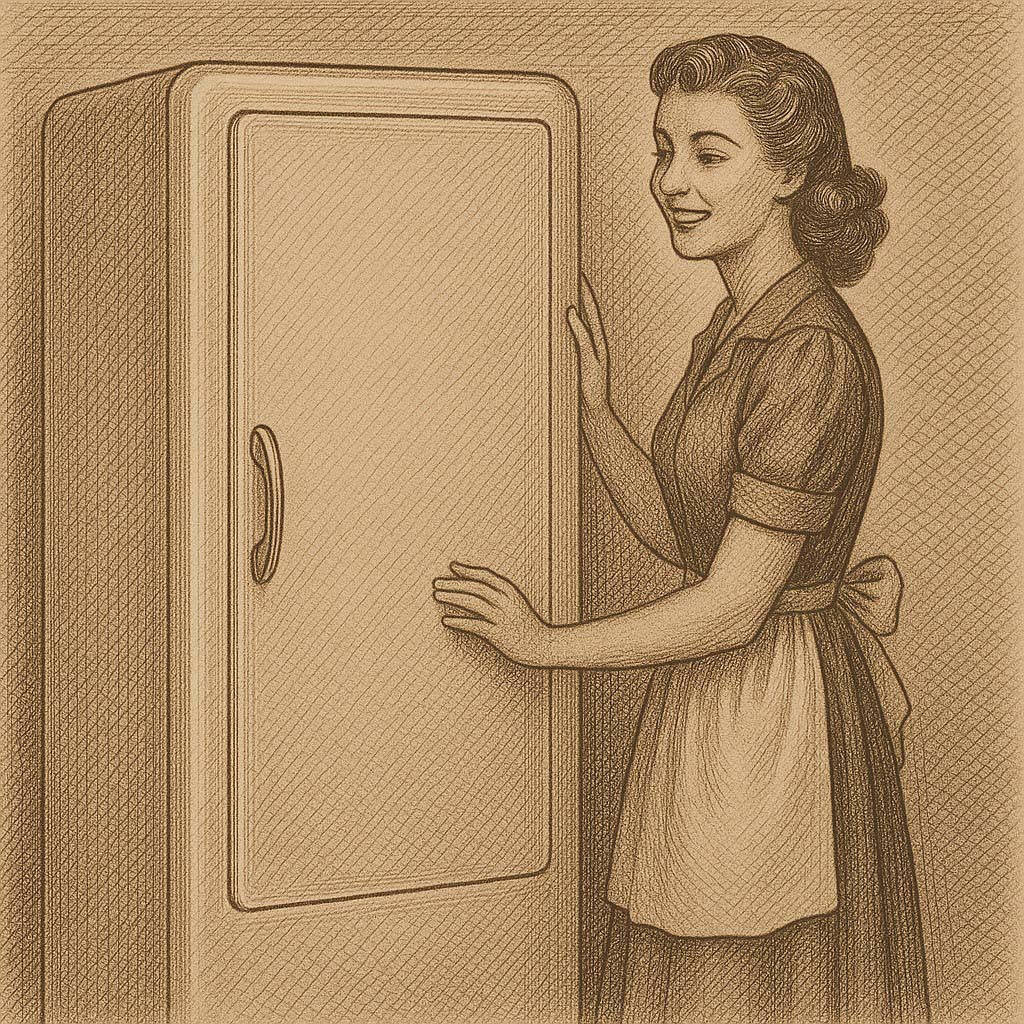
1931: Frigidaire introduces the "Hot-Kold" air conditioning system for homes
1933: Westinghouse a/c units start using the CFC refrigerant R-12
1934: Dust Bowl begins
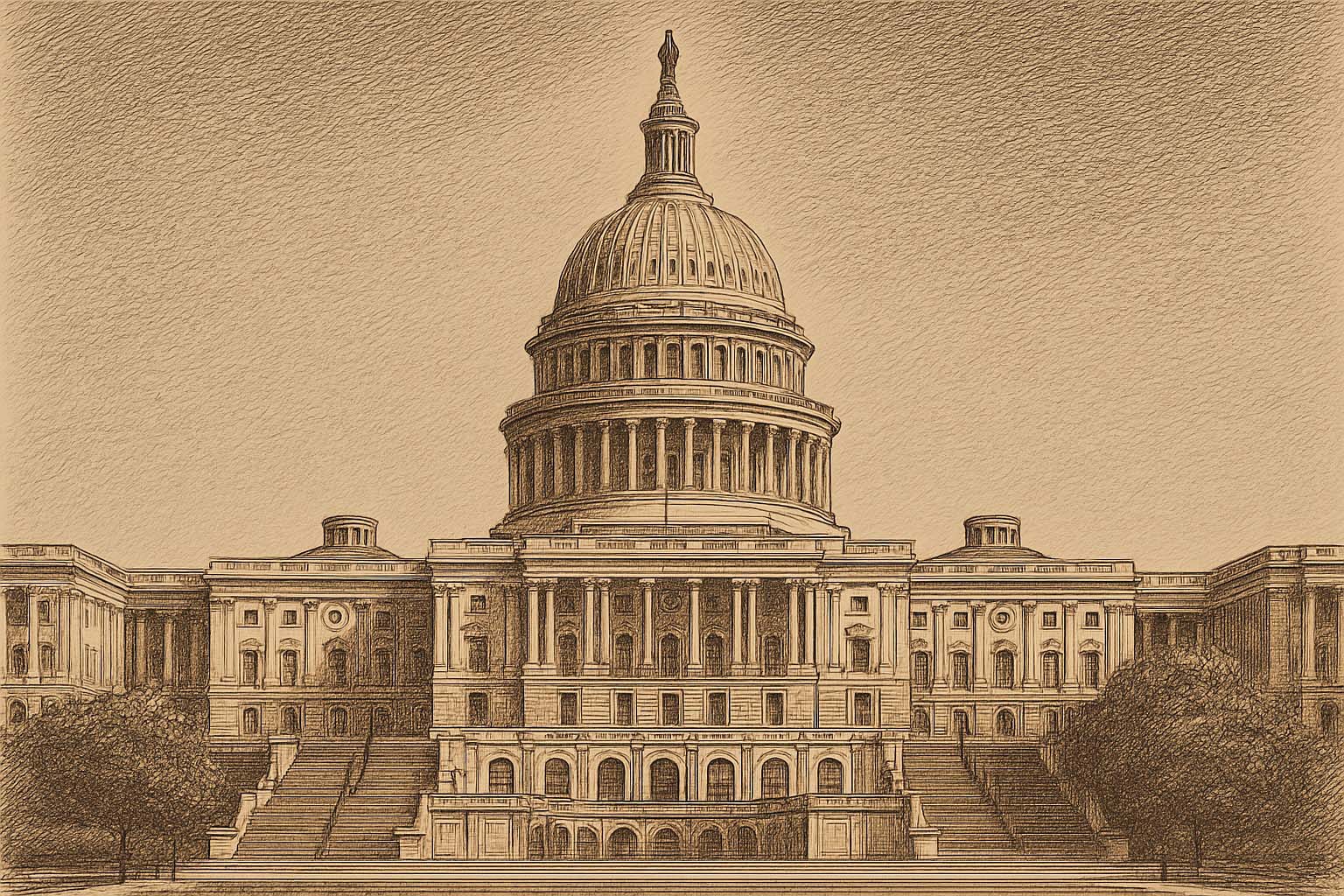
1937: The York Ice Machinery Corp. installs air conditioning for the U. S. Capitol Building, the Senate Office Building, and the two House Office Buildings in Washington, D. C., becoming the world's largest installation of refrigerating machinery for air conditioning purposes
1940: York International introduces a self-contained flake ice machine capable of making 2,000 pounds of ice a day.
1941: Attack on Pearl Harbor brings U.S. into WWII
1944: Carrier obtains four U.S. patents for Conduit Weathermaker systems, paving the way for cooling skyscrapers
1947: Amana becomes the first manufacturer to market upright freezers for the home
1950: Korean War begins
1953: Room a/c sales exceed 1 million units
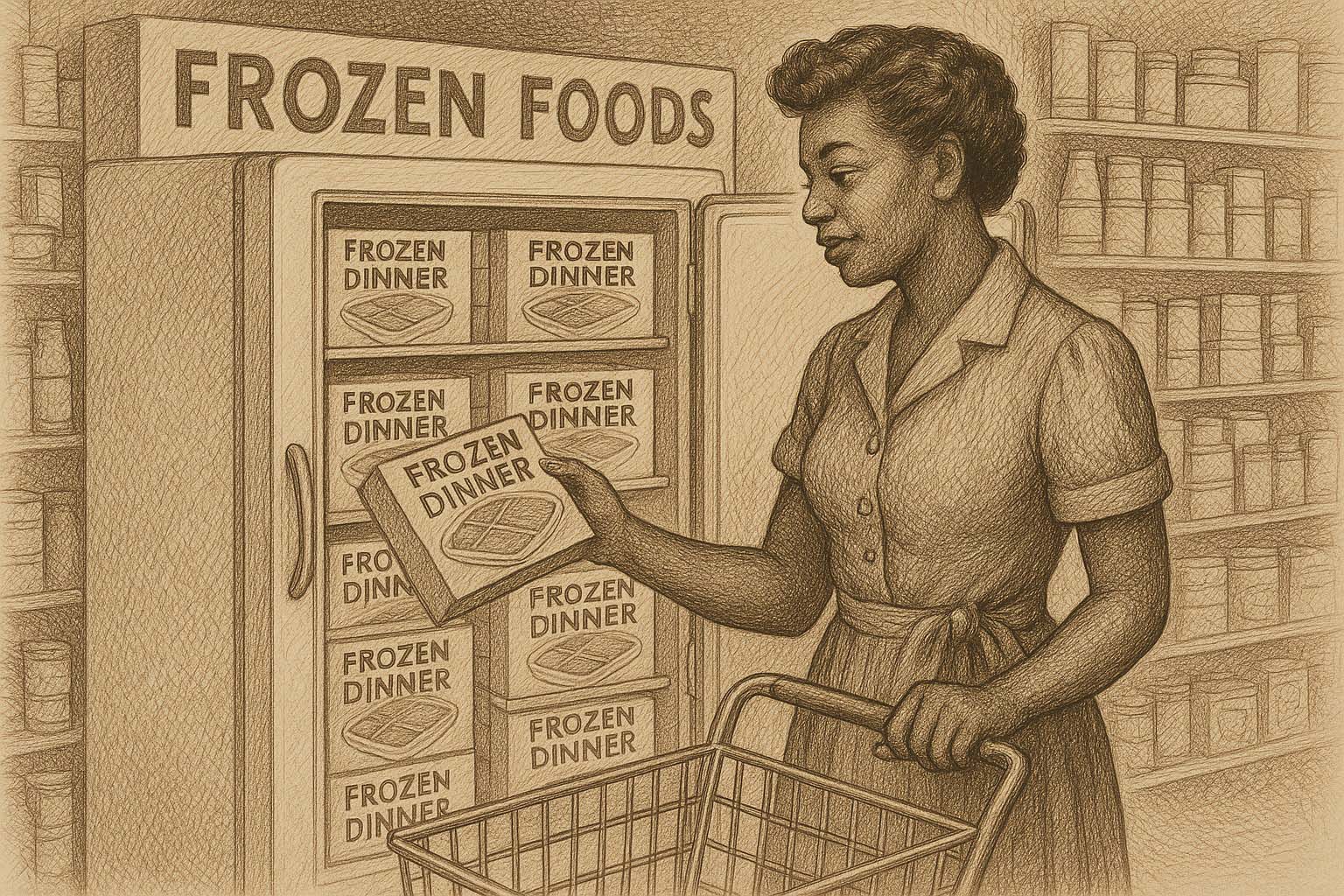
1953: Mass marketing of frozen dinners begins
1954: U.S. production of heat pumps reaches 2,000 units
1957: First rotary compressor debuts
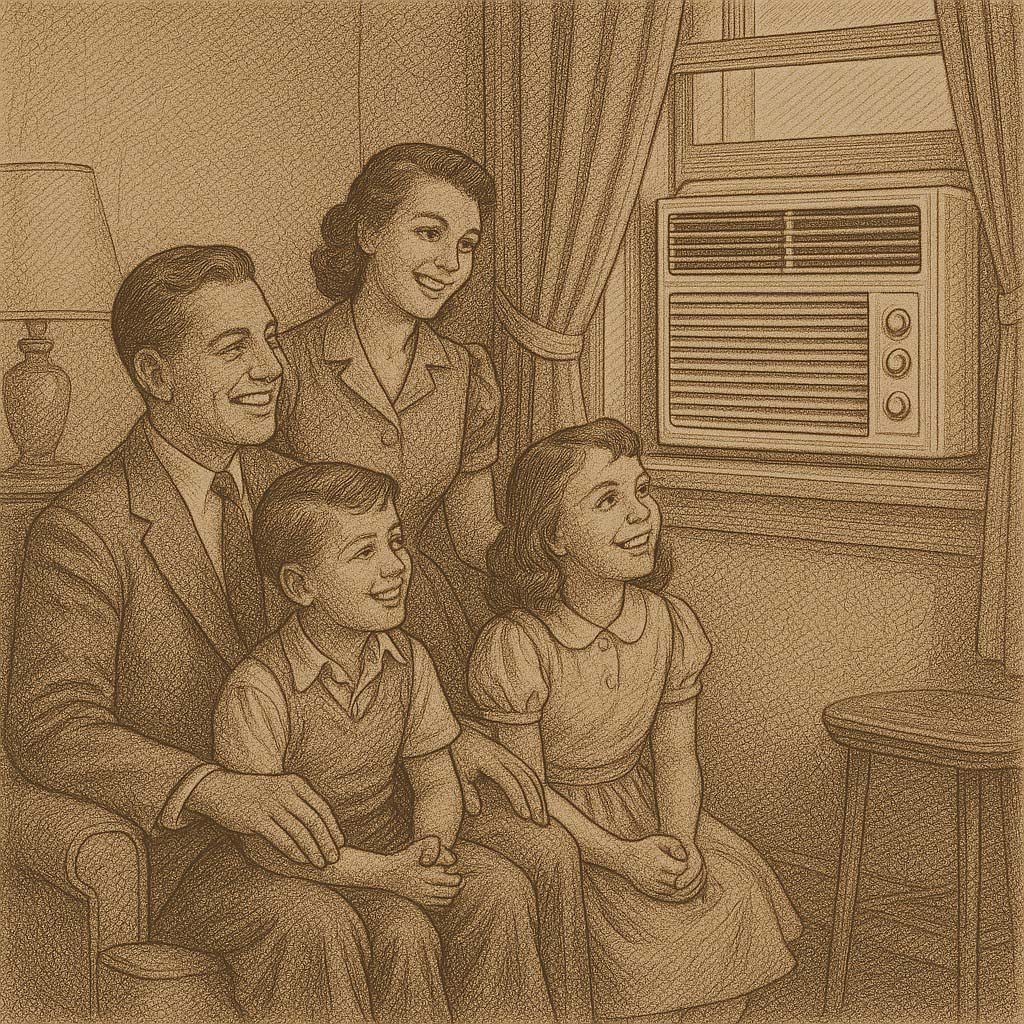
1960: About 10% of U.S. households have a room or central air conditioner
1964: The New York World's Fair opens, using air conditioning in its pavilions
1964: The Beatles tour the U.S.
1968: R-22 is the standard refrigerant for unitary air conditioners
1970: Environmental Protection Agency (EPA) is established
1973: Arab oil embargo imposed
1975: The Energy Policy and Conservation Act (EPCA) is enacted, creating a federal program for appliance test procedures, labeling, and energy-conservation targets. This framework lays the foundation for future DOE minimum efficiency standards for HVAC equipment.
1976: Legionnaires’ disease kills 34 in a Philadelphia hotel, elevating awareness of indoor air quality
1977: Department of Energy (DOE) created
1981: Toshiba creates the world’s first inverter residential air conditioner
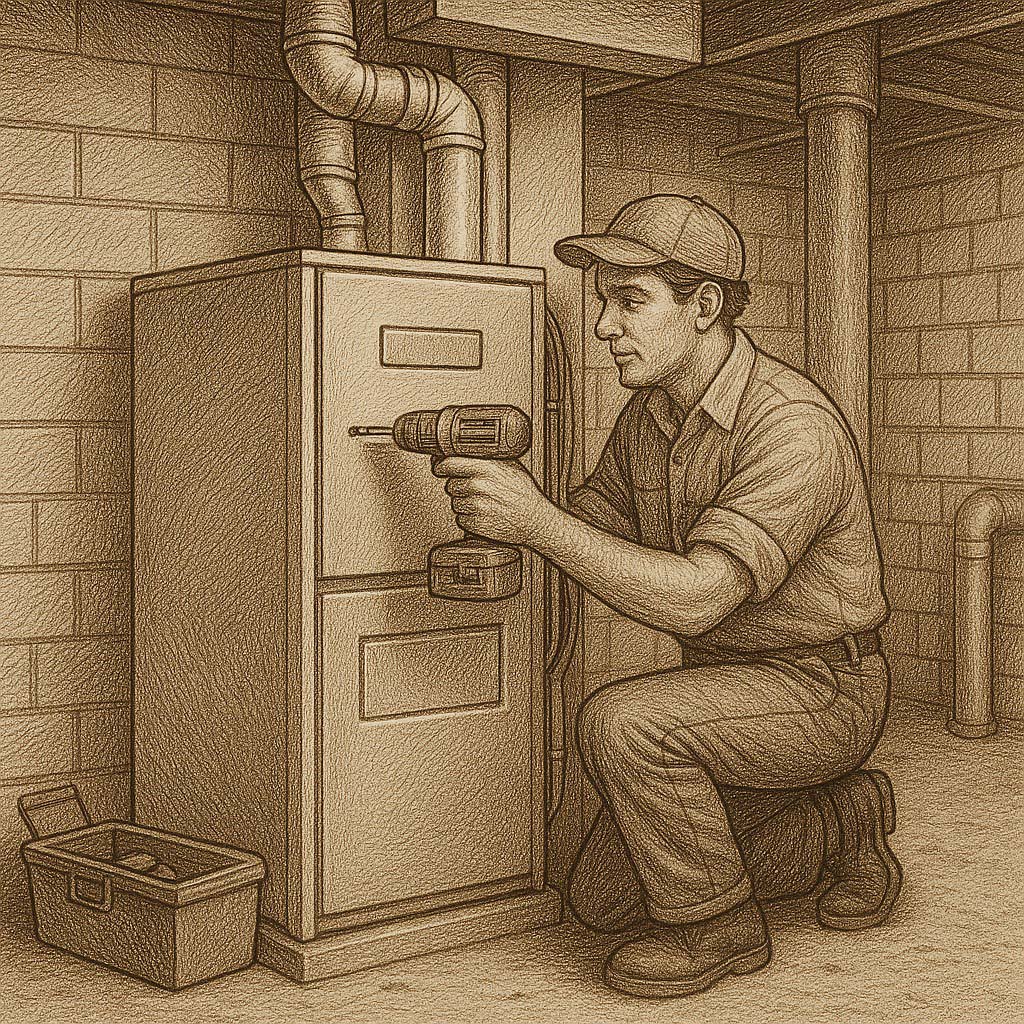
1982: Condensing furnaces began entering the market with efficiencies over 90%
1983: Hitachi launches the first air conditioner with a hermetic scroll compressor
1987: The Montreal Protocol is signed, leading to the phaseout of CFC and HCFC refrigerants
1989: Fall of the Berlin Wall
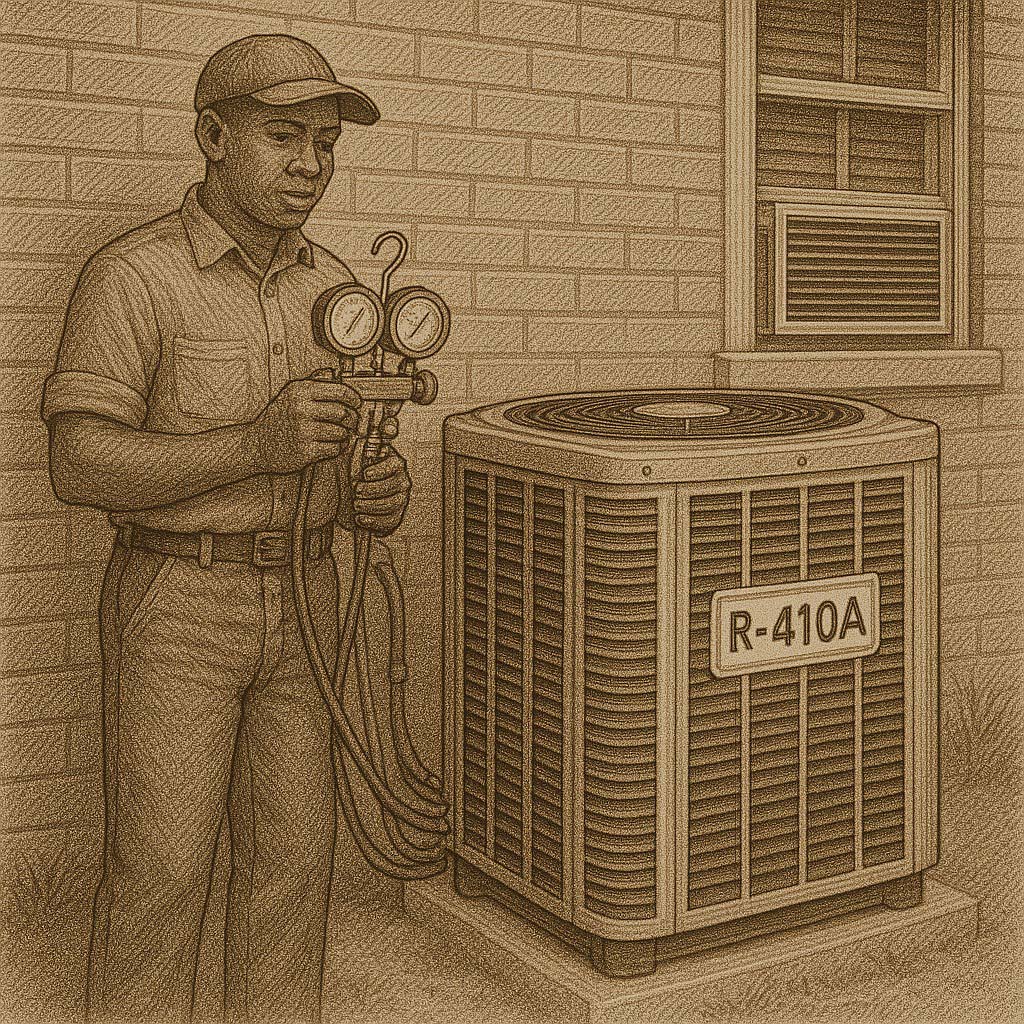
1990: The Clean Air Act Amendments adds Section 608, requiring EPA certification to purchase refrigerants
1990: Gulf War begins
1992: Refrigerant venting outlawed
1995: Production of all CFCs ends
1995-1996: The first residential air conditioning units using R-410A are introduced to the U.S. market
2001: Attack on the World Trade Center
2006: DOE raises residential central air conditioner/furnace minimum efficiency standard from 10 SEER to 13 SEER
2008: The Great Recession hits
2008: The first year that Airex Manufacturing produces and sells Airex E-Flex Guard, a direct result of California’s Title 24 HVAC rule changes.
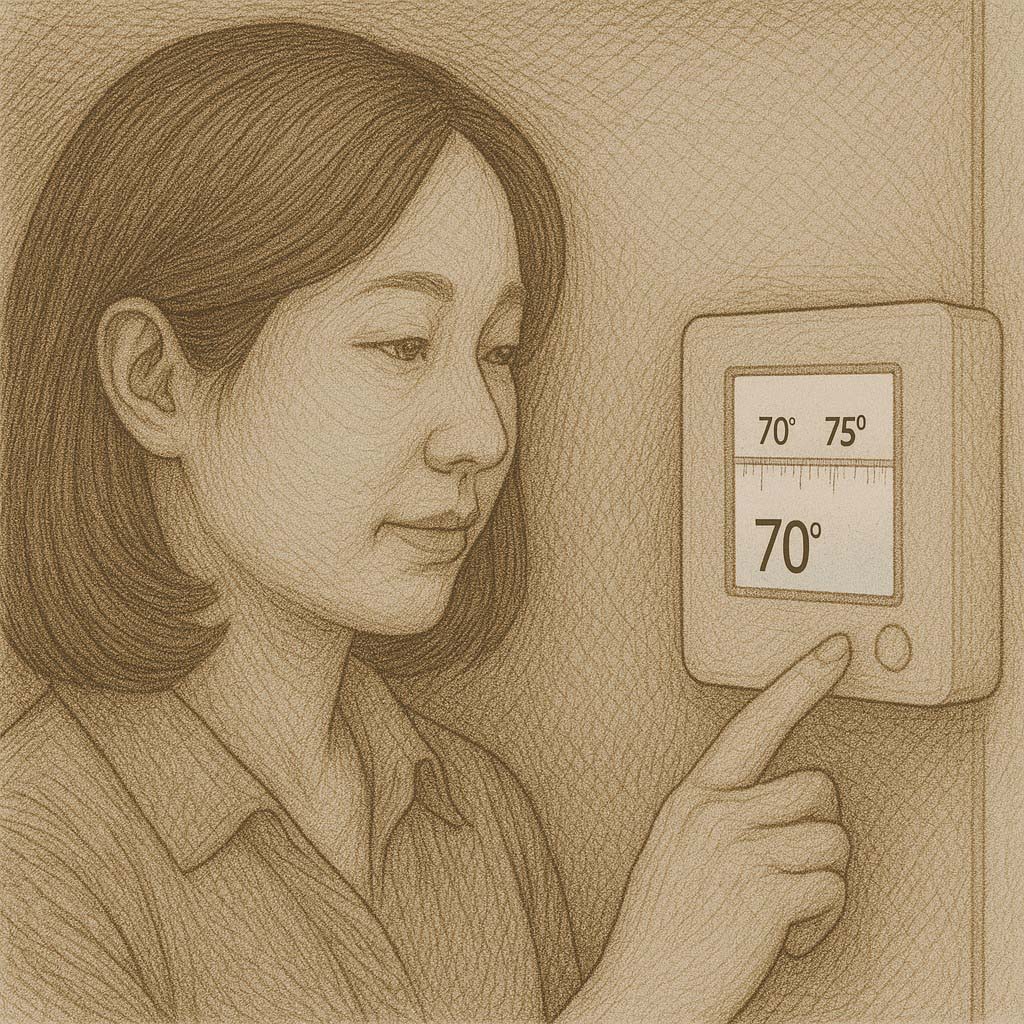
2009: Ecobee introduces the first smart thermostat

2010: The manufacture and import of new air conditioning equipment containing R-22 are prohibited, and the industry transitions to the HFC refrigerant R-410A
2011: DOE issues the first regional efficiency standards for furnaces, air conditioners, and heat pumps. Litigation later vacates the furnace rule, and the air conditioning standards take effect in 2015.
2016: Donald Trump elected U.S. President
2016: Kigali Amendment to Montreal Protocol adopted — global mandate to phase down HFCs, including R-410A
2020: COVID-19 pandemic sparks a surge in IAQ demand; HVAC classified as essential workers.
2021: U.S. Congress passes AIM Act, mandating HFC phasedown (85% reduction by 2036)
2024-25: OEMs roll out A2L-compatible systems (R-454B, R-32, R-454C, etc.) nationwide
2026: The ACHR NEWS celebrates 100 years
Late 2020s: Cold climate ductless and ducted heat pumps scaling up with utility rebates and IRA incentives. AI-driven controls and predictive maintenance integrated into VRF, rooftop, and chiller systems.
Images created using Generative AI using ChatGPT