Alternatives to R-410A are mildly flammable (A2L) and many state building codes do not yet allow their use in stationary comfort cooling equipment. But that is changing quickly.
Hudson Technologies and Lennox have entered into an agreement to align their efforts to meet the CARB Regulation Order for Certified Reclaimed Refrigerant Use Requirements for Manufacturers of A/C Equipment.
In a recent E360 Webinar, representatives from Emerson provided an update on the status of refrigerant regulations and their impacts on the HVACR industry.
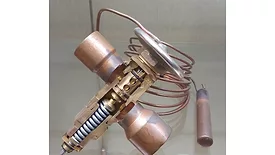
Making sure the TXV is metering the right amount of refrigerant into the evaporator and is not overfeeding the coil is one way technicians can help their customers’ refrigeration and air conditioning systems operate safely and more efficiently.
Danfoss Climate Solutions recently held an online event, where experts discussed CO2 refrigeration systems, including the challenges and opportunities this natural refrigerant offers both food retailers and contractors.
New self-contained system is designed for indoor walk-in coolers and freezers
July 5, 2022
Refrigerated Solutions Group and Budderfly announced the results of energy efficiency pilot projects across two Subway restaurant locations using RSG’s Capsule Pak ECO™.
Washington state is currently figuring out how to implement legislation that establishes maximum GWP thresholds for HFC refrigerants used in new stationary refrigeration and air conditioning equipment.
Liquid line restrictions cause the evaporator, compressor, and condenser to be starved of refrigerant, causing performance problems in refrigeration systems.
Locating the source of a refrigerant leak in a self-contained reach-in cooler or freezer and repairing it may be difficult, but technicians should always attempt to find the source.
 RSS
RSS