Contractors Have Four Years to Prepare for Next Recession
Rising costs and structural risks point to a downturn in 2030, but the time to act is now
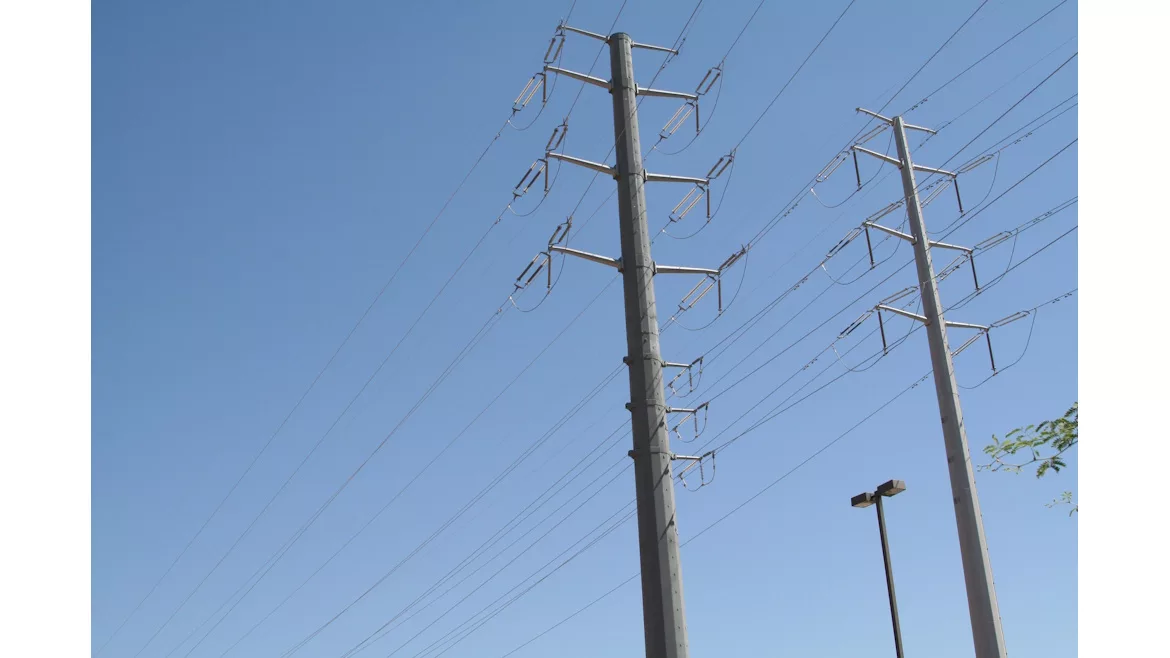
HIGH PRICES: Electricity prices are climbing faster than inflation, tightening the squeeze on U.S. consumers and businesses alike. (Staff photo)
At the recent MCAA conference in Scottsdale, Arizona, economist Taylor St. Germain of ITR Economics delivered a clear message for contractors: The U.S. economy is entering a stretch of growth through the end of the decade, but that expansion will include sustained cost pressures and lead to a projected downturn around 2030.
“The good news is we have four consecutive years of economic growth between 2026 and 2030,” said St. Germain. “But the challenge you’re all going to face is that that growth is going to come at a higher cost.”
Those higher costs, he explained, will be driven largely by persistent inflation.
Four Drivers Of Inflation
While tariffs have dominated recent headlines, they are only one part of the inflation equation. Several underlying forces are also driving sustained increases, with labor at the top of the list.
Labor costs, largely shaped by demographic trends, continue to climb as baby boomers exit the workforce and fewer workers enter the trades.
“We are forecasting … a 20.1% increase in the cost of labor in the next four years,” said St. Germain. “You’re talking about essentially 5% a year. That is not an easy number, and … it just continues to get more challenging.”
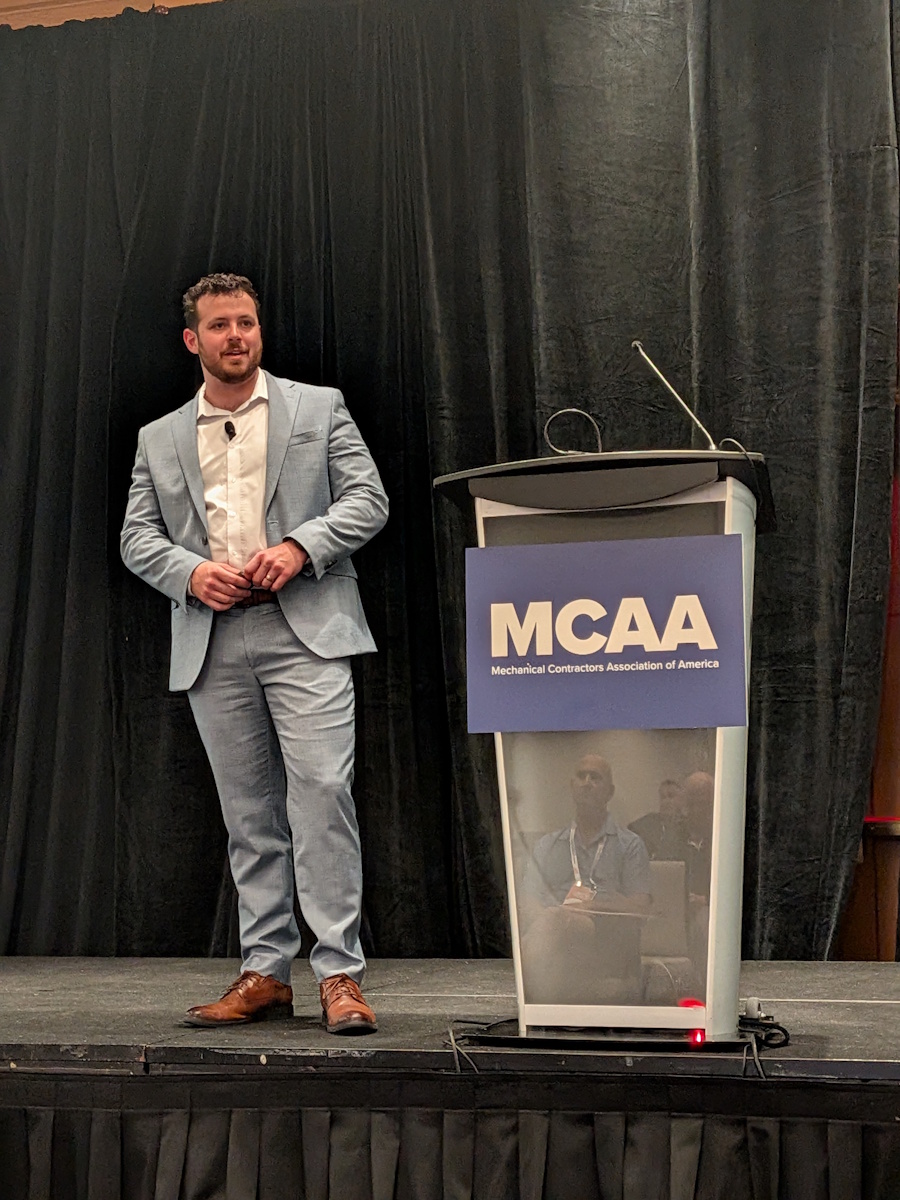
START PREPARING: At the MCAA Conference, economist Taylor St. Germain warned of an economic downturn in 2030 and urged contractors to start preparing now. (Staff photo)
Fiscal policy is another key driver of inflation. St. Germain pointed to continued federal spending and rising debt issuance as major contributors.
Looking for quick answers on air conditioning, heating and refrigeration topics? Try Ask ACHR NEWS, our new smart AI search tool. Ask ACHR NEWS
“Every time our government prints money and spends money … they create inflation,” he said.
Based on current Treasury activity, he expects inflationary pressure to continue over the next two years. Another emerging driver is the rising cost of electricity, fueled in part by rapid data center construction.
“Over the last 12 months, we've built $39.3 billion worth of data centers in this country … and our grid’s not ready to handle this demand,” said St. Germain.
As demand strains existing infrastructure, electricity prices are climbing quickly.
“We’re seeing a massive increase in electricity prices. … Our electricity prices are outpacing overall inflation here in the U.S.,” he said, adding that the industry will need long-term solutions to keep pace with demand.
Tariffs round out the list of factors contributing to both higher prices and slower global growth.
“There are two facts that come along with tariffs: Tariffs create higher inflation and slow down global economic growth,” said St. Germain.
Despite these pressures, the near-term outlook remains positive. Consumer spending is strong, manufacturing is rebounding, and business investment is rising. That growth, however, may not translate into stronger profitability. Instead, it could result in what St. Germain calls “profitless prosperity,” where rising sales and revenues are offset by shrinking margins.
“That's the biggest worry that I have over the course of these next four years,” he said. “I’m not worried about your sales and revenue growing. … I’m worried about your margins expanding during this period of growth.”
Recession Ahead
Despite near-term growth, ITR forecasts a significant downturn beginning in 2030. Unlike typical cyclical slowdowns, this recession is expected to be deeper and longer, driven by structural challenges.
“Every nine to 11 years, the U.S. economy goes through a recession. It has been that way since World War II,” said St. Germain. “The question for us was never, ‘will there be a downturn in the early 2030s?’ It was, ‘How bad will this downturn be?’ And we think this is going to be a pretty tough one.”
He noted there are five driving factors of this economic downturn: demographics, healthcare costs, entitlements, inflation, and national debt.
“It’s demographics and everything below demographics that comes back to connecting to demographics,” he said.
An ageing population is at the core of the issue. As baby boomers retire, fewer workers will support rising entitlement costs, so by 2030, government spending will be heavily concentrated in just a few areas.
“Demographics increases a lot of our costs,” said St. Germain. “Health care costs and Social Security costs are going to rise dramatically as the baby boomers retire around the world. In 2018, 56% of the U.S. budget was just healthcare, Social Security, and interest payments on the debt. By the time we get into 2030, that number jumps to 70%.”
Interest payments alone are staggering.
“We are currently spending about $1.2 trillion paying interest on our national debt, which is higher than our Department of Defense budget,” he said.
The tipping point, according to St. Germain, will come when global investors begin to lose confidence in the U.S. as a haven.
“When the world goes through problems, they buy U.S. debt, because we always pay you back,” he said. “It’s going to be a lot harder five years from now for us to make that claim.”
That shift, he explained, will trigger the 2030 downturn as investment pulls back from U.S. bond markets. Combined with demographic strain and persistent inflation, it sets the stage for a deeper-than-average recession.
Prepare Now
While that outlook may sound concerning, St. Germain stressed that downturns create opportunity — especially for those who prepare early.
“Downturns are some of the best times to grow your wealth personally, as well as grow your business as market share,” he said.
He added that the Great Depression in the 1930s and the 2008-2009 financial crisis were the two single events in history that created the most millionaires and billionaires per capita.
“But there is a big difference between being prepared for [a downturn] and unprepared for one,” he said.
To start preparing for the recession in 2030, contractors should think about building their cash reserves and being debt-free by the end of this decade.
“Cash is king,” said St. Germain. “If you have cash, you're going to be the one buying your competitor for a 25% discount, because he didn't take the time to prepare for [the downturn].”
Interest rates are also expected to climb, so “if you need to borrow money, if you need to invest in your business, if you need to lock in a long-term rate, you need to think about doing that in the next six to nine months,” he said.
Another key strategy is to diversify your business into markets that are more resilient during a downturn. These include food-related industries, insurance, healthcare, electrification, defense, and data centers, as well as pets.
“Pets is the one industry since the beginning of tracking that has never turned down ever in history. We will go through a financial crisis. We will lose our house, but we will save that dog,” said St. Germain.
Contractors should also accelerate hiring plans while labor availability is higher. Waiting until 2027 or 2028, as the economy strengthens, will make hiring more difficult, he said.
Expanding into high-growth states presents another opportunity for contractors, particularly in regions better positioned to weather the next downturn.
“If you're thinking about expanding your business or targeting acquisitions, focus on the states that are going to be better positioned for this downturn,” said St. Germain.
Based on factors like tax climate, economic diversity, unfunded pension liabilities, state debt, and job creation, the least risky states include Utah, Georgia, Idaho, South Dakota, Oklahoma, Iowa, Nebraska, Alaska, Colorado, and South Carolina. The most at-risk states include Connecticut, Rhode Island, Massachusetts, Hawaii, New Jersey, New York, Vermont, California, Illinois, and the District of Columbia.
Finally, St. Germain advised contractors to have a good tax advisor on their team, because “millennials are going to take over politics, and we are coming for your wealth. We are not just going to increase your tax rates. We are going to tax your wealth, and you better have a financial advisor or a tax advisor who's prepared.”
ITR forecasts that the downturn will last through 2035, driven largely by demographic changes as the baby boomer population declines.
“It’s just the reality of where we’re going to be,” said St. Germain. “We have this upside-down demographic. … It’s not a question of if this happens, it’s whether you use the next four years to prepare for it.”
Looking for a reprint of this article?
From high-res PDFs to custom plaques, order your copy today!