ACHR News
search
Ask ACHR NEWS AI
cart
facebook twitter instagram linkedin youtube
  • Sign In
  • Subscribe
  • Sign Out
  • My Account
ACHR News
  • NEWS
    • Breaking News
    • New HVAC Products
    • Featured Products
    • Manufacturer Reports
    • HVAC Data
    • Legislation
    • ACHR NEWS Centennial
  • RESIDENTIAL
    • Air Conditioners
    • Furnaces
    • Residential Heat Pumps
    • Ductless
    • Residential IAQ
    • Testing, Monitoring, Tools
    • Components & Accessories
  • COMMERCIAL
    • Air Handlers
    • Rooftop Units
    • Chillers and Cooling Towers
    • Commercial Heat Pumps
    • Boilers and Hydronics
    • VRF/Ductless
    • Commercial IAQ
  • REFRIGERATION
    • Refrigerants
    • Refrigerant Regulations
    • Leak Management
  • CONTRACTOR PRO
    • Geothermal
    • Homeowner Study
    • VRF and VRV Ductless
    • Unitary Trends
  • EDUCATION
    • Training and Education
    • Business Management
    • Service and Maintenance
    • Continuing Education
    • Market Research >
      • HVAC Brand Awareness Report
      • VRV, VRF, VRVZ Report
      • Unitary Trends Report
      • Water Heat Professionals Report
    • Webinars
    • Sponsor Insights
    • eProducts Info
    • White Papers
  • EVENTS
    • HVAC Contractor Forum
    • Industry Events and Webinars
  • MEDIA
    • Videos
    • AHR Expo 2025 Videos
    • Podcasts >
      • ACHR News Podcast
      • HARDI Podcasts
      • AHR Expo Podcasts
      • ACCA Podcasts
    • Interactive Spotlights
    • Quizzes
    • eBooks
    • HVAC Talkback
  • HVAC GROUP
    • ACHR NEWS >
      • Current Issue
      • Digital Edition
      • Subscribe
    • Distribution Trends
    • SNIPS NEWS >
      • Join SNIPS NEWS
    • Engineered Systems News >
      • Join ES News
    • HVACR Directory
    • Contests
    • Newsletters
    • Contact
    • Advertise
    • My Account
NewsHVAC Commercial MarketRefrigerationFreezers and CoolersDisplay CasesRefrigerants

FROSTlines

 CO₂ vs. A2Ls in Commercial Refrigeration

Choosing the right refrigerant for an application means weighing a variety of factors
By Don Fort
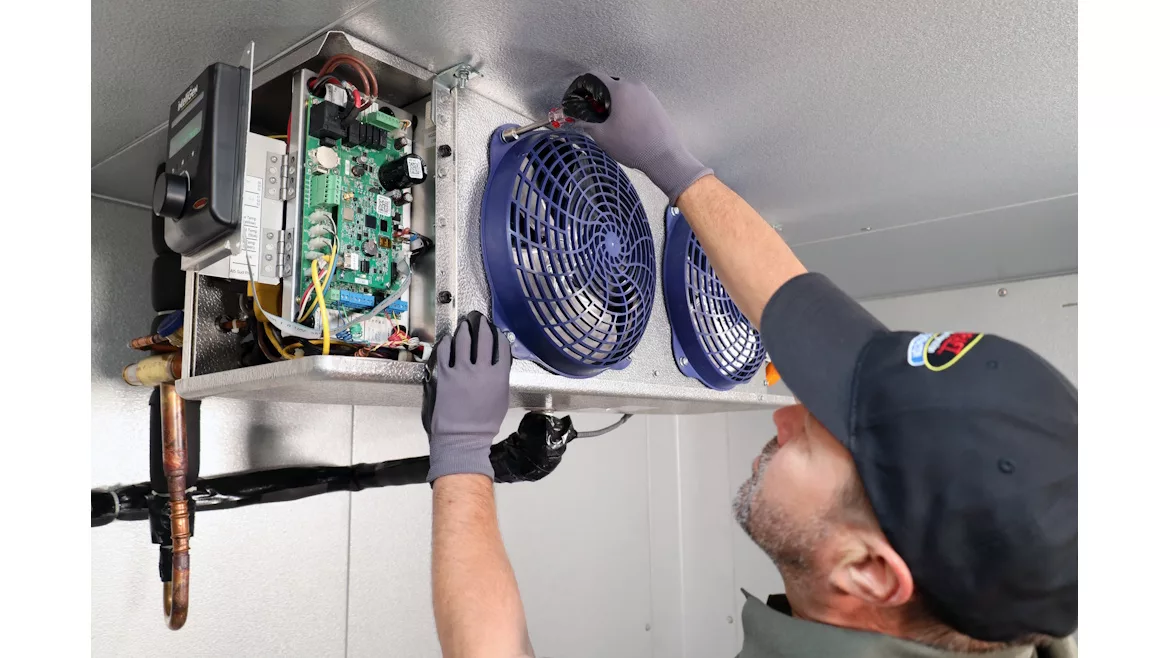
Heatcraft-Evaporator-Unit.JPG
Courtesy of Heatcraft

WEIGHING OPTIONS: Food retailers are weighing whether to replace their traditional HFC systems with CO2 or an A2L refrigerant.

January 17, 2026

Food retail refrigeration is undergoing a significant transformation. With evolving environmental regulations and a heightened focus on sustainability, food retailers — and the contractors who support them — are replacing traditional HFC refrigerants with two alternatives that have markedly lower GWP: CO2 (R-744) and A2Ls.  

However, because operating conditions vary widely, so does the appropriate choice of refrigerant. Food retailers and contractors must evaluate factors such as regulatory compliance, upfront and operational costs, climate-dependent energy efficiency, safety protocols, and the availability of skilled labor, which is increasingly limited in today’s market. 


Regulations 

The primary driver behind the shift from HFCs is legislation aimed at phasing down high-GWP refrigerants. The F-Gas regulation in Europe and the AIM Act in the United States are pushing industries toward refrigerants with lower environmental impact. 

As a natural refrigerant, CO2 has a GWP of 1, making it an environmentally conscious choice that is effectively future-proof against regulatory phasedowns. Retailers investing in CO2 systems can be confident in long-term regulatory compliance. While constantly evolving, this technology is well-established and widely used around the globe, particularly in Europe. 

A2L refrigerants — such as R-454A, R-455A, and R-454C — also offer significantly lower GWPs than traditional HFCs (typically below 150), though not zero. Although they comply with current regulatory requirements, more stringent regulations in the future could impact their long-term viability, although this is less likely given their low GWP. 


Installation Costs 

The inherent properties of CO2 and A2L refrigerants dictate different system designs and installation practices. Operating at much higher pressures than traditional refrigerants, CO2 systems require specialized, robust components like compressors, condensers, and evaporators, as well as stronger piping like XHP or K65 copper/iron alloy or stainless steel.

In addition, most food retail CO2 systems operate in a transcritical cycle, meaning the CO2 moves from a supercritical fluid to a gas without a distinct boiling point. This requires sophisticated control systems to maintain efficiency, especially in warmer climates. 

Looking for quick answers on air conditioning, heating and refrigeration topics? Try Ask ACHR NEWS, our new smart AI search tool. Ask ACHR NEWS →

These specialized components can mean higher installation costs, requiring highly skilled technicians with specific training and certifications in high-pressure systems and transcritical refrigeration. Specialized tools and brazing techniques are needed as well. 

On the other hand, A2L systems come closer to traditional HFC systems in terms of operating pressures and component design, which reduces the transition burden for contractors already familiar with HFCs. However, because A2Ls are classified as mildly flammable, they require adherence to specific safety standards during installation, including proper ventilation, leak detection, and limits on refrigerant charge sizes. Therefore, while they are less complex than CO2, they still require that installers have targeted training on A2L handling, safety protocols, and charge limitations. 

Overall, initial installation costs for A2L systems are generally lower than those for CO2, making them an attractive option for some retailers. 


Energy Efficiency 

Energy consumption is a major operational expense for food retailers, making efficiency a critical consideration. CO2 systems can be highly efficient, particularly in colder climates where transcritical operation is less frequent. In warmer climates, however, managing the transcritical cycle efficiently can be more challenging and may require additional technologies — such as ejectors, parallel compression, or adiabatic condenser coils — to maintain high efficiency. 

A2L refrigerants are less sensitive to ambient temperatures, providing consistent efficiency across climates. They often deliver energy efficiencies comparable to — or sometimes even better than — traditional HFCs, making them a strong contender in terms of operational cost. 

One significant advantage of CO2 is its excellent heat-recovery potential. The high discharge temperatures can be harnessed to provide space heating or hot water, offsetting other energy costs. 


Safety 

Both CO2 and A2L refrigerants involve specific safety considerations. For instance, the high operating pressures of CO2 systems pose a risk if not handled correctly. Proper training, robust equipment, and strict adherence to safety protocols are paramount. In addition, in high concentrations, CO2 can displace oxygen, posing an asphyxiation risk. Leak detection systems and proper ventilation are essential in enclosed spaces. 

A2L’s mildly flammable classification means these refrigerants can ignite under certain conditions (e.g., in high concentrations with an ignition source). Safety measures include charge limits, leak detection, and ventilation as defined by building codes and industry standards.  


Considerations 

For contractors, the choice between CO2 and A2L affects both workforce development and day-to-day operations. CO2 requires a significant commitment to specialized high-pressure and transcritical systems training, as well as specialized high-pressure tools. A2L systems require fewer specialized tools beyond those for HFCs, but still demand proper training for safe handling of mildly flammable refrigerants and adhering to charge limitations. 

Before deciding which course to take, food retailers should assess their regulatory environment, market needs, budget, and long-term operating goals. Contractors can play a key advisory role in guiding retailers through the complexities of each option.  

For retailers seeking a highly future-proof, environmentally resilient solution with heat recovery benefits — and who are prepared to invest in more complex technology — CO2 is a compelling choice. For those prioritizing a compliant, efficient, and generally less complex transition from HFCs with lower initial costs and consistent performance across climates, A2L refrigerants offer an excellent alternative. 

Ultimately, a collaborative approach between food retailers and knowledgeable contractors, supported by a clear understanding of project requirements, will help ensure the right refrigerant choice for a sustainable and efficient future. 

KEYWORDS: A2L Refrigerants CO2 refrigeration FROSTlines

Share This Story

Looking for a reprint of this article?
From high-res PDFs to custom plaques, order your copy today!


Don fort
Don Fort, senior technical trainer for Heatcraft Refrigeration Products, has nearly 40 years of HVACR industry experience — with 25 of those years focused on technical training and education. To contact Don, email don.fort@heatcraftrpd.com.

Recommended Content

JOIN TODAY
To unlock your recommendations.

Already have an account? Sign In

  • HVAC-enrollment

    The Trades Are Back: HVACR Programs See Nearly 30% Enrollment Spike

    A new wave of future technicians is entering the pipeline.  
    News
    By: Matt Jachman
  • 2025 Top 40 Under 40

    2025 Top 40 Under 40 HVACR Professionals List

    The 11th annual Top 40 Under 40 list highlights those...
    News
    By: Hannah Belloli-Oster
  • LG Ductless Mini-Split Systems

    The 9 Types of Heat Pumps

    As the U.S. moves toward electrification, heat pumps are...
    Ground Source Heat Pumps
    By: Joanna R. Turpin
Subscription Center
  • Create an Account
  • Start a Subscription
  • Manage My Account
  • Sign Up for Newsletters
  • Visit Customer Service
  • Update Preferences

More Videos

Sponsored Content

Sponsored Content is a special paid section where industry companies provide high quality, objective, non-commercial content around topics of interest to The News audience. All Sponsored Content is supplied by the advertising company and any opinions expressed in this article are those of the author and not necessarily reflect the views of The News or its parent company, BNP Media. Interested in participating in our Sponsored Content section? Contact your local rep!

close
  • Piggy Bank
    Sponsored byWatercress Financial

    Energy Prices, Inflation, and HVAC: What Today’s Homeowners Care About

  • Refrigerated Food
    Sponsored bySolstice Advanced Materials

    R-455A Refrigeration: A Cold Storage Solution for the Future

  • Airex Rooftop Units
    Sponsored byAirex Manufacturing Inc

    Consolidating Roof Penetrations: A Growing Trend in Multifamily HVAC Design

Popular Stories

HVAC-Price-Increase-graphic

HVAC Price Increase List: June 2026

Trump-Section-232.jpg

Trump Reduces Section 232 Tariffs on HVAC Equipment to 15%

R410A-Refrigerant-Cylinder.jpg

Refrigerant Recovery is a Revenue Opportunity

Heat-pump-cutaway.jpg

PFAS Rules and A2L Building Codes Continue to Evolve

Kroger.jpg

Kroger to Spend $100 Million to Reduce Refrigerant Leaks

View The ACHR NEWS
Centennial Anniversary Timeline

The ACHR News Timeline Chart
Submit a Letter
Submit a letter to our editors.

Events

November 6, 2025

Next-Gen Data Center Cooling: HVAC Innovation and Real-World Solutions

On Demand As AI workloads and high-density computing push traditional cooling methods to their limits, the data center industry is accelerating the adoption of next-generation HVAC technologies.

June 9, 2026

Before You Go All In on AI: Set Up Your Business to Actually Win

In this webinar, we'll walk you through exactly what to get in place before you add AI to your business. You'll leave with a clear picture of where you stand today and a practical action plan to set yourself up for real results.

View All Submit An Event

Poll

Summer Staff

Are you fully staffed for the summer season?
View Results Poll Archive

Products

BNI Mechanical/Electrical Square Foot Costbook, 2026 Edition

BNI Mechanical/Electrical Square Foot Costbook, 2026 Edition

See More Products
A2L Refrigerants - Free Webinar - May 21, 2026

Related Articles

  • Don Fort and Commercial Refrigeration Equipment

    Using A2Ls in Commercial Refrigeration Equipment

    See More
  • Refrigerant Technicians

    Waiting For A2Ls In Commercial Refrigeration Equipment

    See More
  • Tom Mathews.jpg

    A2Ls Offer Alternative Solution in Commercial Refrigeration

    See More

Related Products

See More Products
  • Tech_CommRef_Guide_Small.jpg

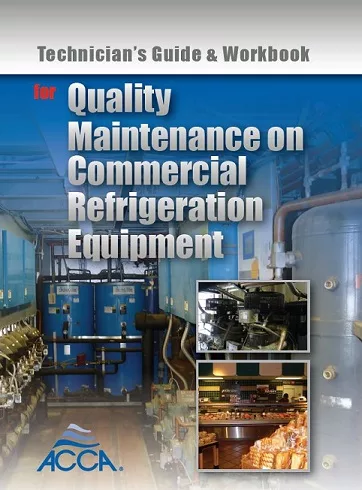
    Technician’s Guide & Workbook for Quality Maintenance on Commercial Refrigeration Equipment

  • The ACHR News - January 19, 2026

    ACHR NEWS January 19, 2026, Issue

See More Products

Related Directories

  • M2 Mechanical

    At M2, we know what we do well and that is service of HVAC units at commercial sites throughout New England. We are ready to repair, replace, retrofit and recommend the best solution for your facility.
×

Sign Up. Stay Informed.

The #1 trusted source for the HVACR industry since 1926

SUBSCRIBE
  • RESOURCES
    • Advertise
    • Contact Us
    • Advisory Board
    • Classifieds
    • Submit a Letter
    • Directories
    • Store
  • ACCOUNT CENTER
    • Create an Account
    • Start a Subscription
    • Manage My Account
    • Sign Up for Newsletters
    • Visit Customer Service
    • Update Preferences
  • SERVICES
    • Marketing Services
    • Reprints
    • Market Research
    • List Rental
    • Survey/Respondent Access
  • STAY CONNECTED
    • LinkedIn
    • Facebook
    • Instagram
    • YouTube
    • X (Twitter)
  • PRIVACY
    • PRIVACY POLICY
    • TERMS & CONDITIONS
    • DO NOT SELL MY PERSONAL INFORMATION
    • PRIVACY REQUEST
    • ACCESSIBILITY

Copyright ©2026. All Rights Reserved BNP Media, Inc. and BNP Media II, LLC.

Design, CMS, Hosting & Web Development :: ePublishing