Five Steps to Teaching Technicians Proper Static Pressure Testing
Static pressure helps measure an HVAC system's overall health
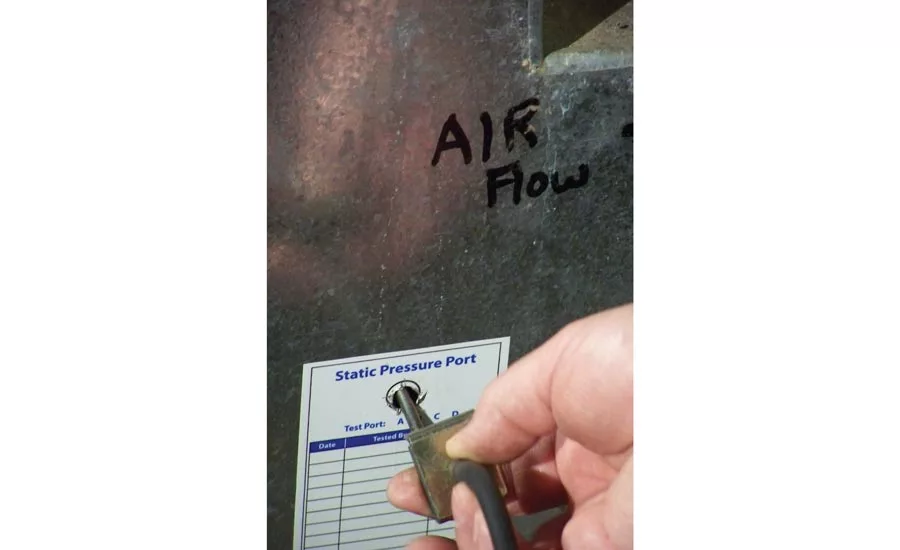
SHOW THE SKILLS: Don’t assume a technician’s knowledge level. Show them the proper testing process for repeatable results.
A challenge that many companies face is getting technicians to consistently measure static pressure. If this sounds familiar, you’re not alone. Two big factors affecting acceptance of this procedure are the absence of a clearly defined purpose for the tests and a measurement process to do them.
Without purpose and process, technicians do what they’re familiar with to get the job done. They won’t mess with what works for them. They haven’t needed static pressure measurements up to this point — why would they add additional work to each call?
Before we started to regularly test static pressure and saw the information it revealed, this would have been my exact response. Let’s look at what changed my mind and how I learned to do it so I could teach others.
See Also
Four Skills You Need to Optimize a Duct System
This article is a summary of the skills you need to test, diagnose, and optimize an existing duct system.
Static Pressure Test a Building to Expand Your Diagnostics
Let’s look at some helpful “static” pressure tests you can use on the building side of the duct system to diagnose common problems.
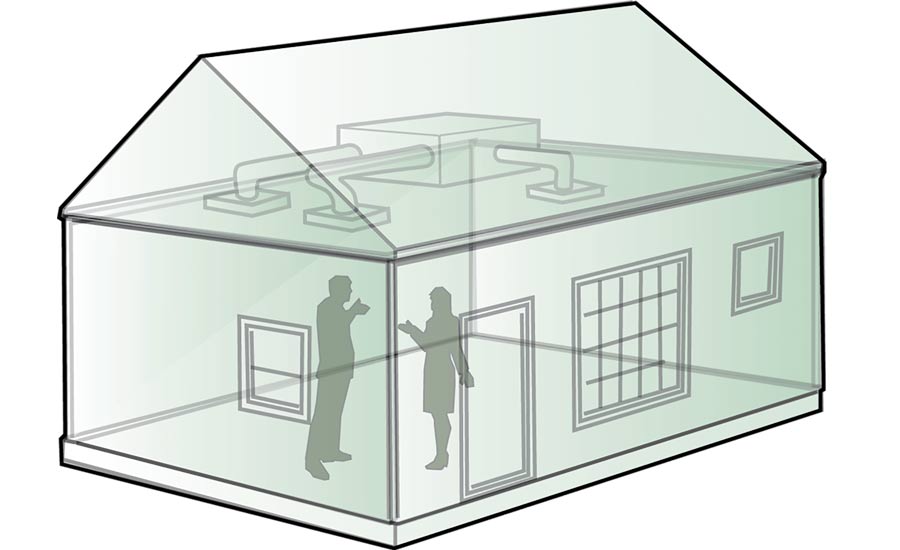
A Guide to the Essentials of Building Pressure
Many professionals are uncomfortable looking beyond the equipment and duct systems they install, which can affect their service to their customers.

Four Steps to Determine the Correct Mixed Air Temperature
With a few measurements or design numbers and some quick math, you can estimate the influence outside air has on a system.
EXPLAIN WHY
If someone doesn’t understand why they’re doing something, they likely won’t do it or will do it reluctantly. Each test that’s prescribed needs to have a “Why are we doing this?” attached to it. That provides the motivation and purpose for performing the test in the first place.
I didn’t think much about static pressure until I started reading Rob Falke’s articles back in the mid-1990s. Then I started to see what we could do with static pressure measurements, and it became obvious why we needed to measure it consistently. A few of the reasons that stood out to me were that we could:
- Quickly determine overall HVAC system health — like a doctor does with blood pressure.
- Use it with the equipment manufacturer’s fan table to estimate fan airflow.
- Determine if the air filter was restrictive.
- See if an indoor coil was restrictive without first tearing it apart.
- Figure out which side of a duct system was restricted and where.
Instead of static pressure testing making our lives harder, it made them easier. In about five minutes, we could quickly find issues that used to drive us nuts or took way too long to figure out.
Opening an indoor coil for visual inspection used to take 10 minutes. Now it’s a one-minute measurement. Measuring all the ducts to see how closely sized they were on a duct calculator has been replaced with a one-minute pressure measurement. See what I mean?
FIVE TEACHING STEPS
If the idea of saving time and finding hidden issues appeals to you, here are the steps you can use to teach your technicians static pressure measurement. The cool thing about this process is that it works for teaching any technical skill.
Looking for quick answers on air conditioning, heating and refrigeration topics? Try Ask ACHR NEWS, our new smart AI search tool. Ask ACHR NEWS
Step One: Show
In the first step, show your technicians how to measure from start to finish. You provide the example and pattern they should follow. Make sure you perform the task like you want it repeated.
Let’s say you’re working with a younger technician. In this step, walk them through each phase from start to finish. Begin with installing test ports in the proper locations and interpreting nameplate information. Then show them how to take the individual readings and calculate the different static pressure measurements.
Don’t assume a technician’s knowledge level at this point, and keep it simple for best success.
Step Two: Support
In the second step, you continue to measure and then guide the technician as they work with you. Explain why and how you’re performing each action to help them understand its importance.
Picking up from the previous step, you continue to work with your technician to measure static pressure. Hand them the manometer, tubing, and static pressure tip so they can help you perform the measurements.
Let them work at their own pace to assure they understand why they’re doing what they’re doing. Patience is important. Don’t throw a lot of material at them all at once. You cannot expect them to immediately remember it or understand it from your perspective.
I’ve found it best to start with total external static pressure and then move to filter and coil pressure drops. Once they understand these measurements, you can transition to duct pressures.
Step Three: Supervise
In the third step, trade places with the technician and let them measure while you watch and assist with any needed corrections. You can also prevent them from drilling into a coil or other costly learning experiences in this step.
Ask them to explain why they did something in their own words after they perform a test. The goal is to get them to think and to build confidence.
As you continue working with the technician on measuring static pressure, let them perform all the necessary tasks and measurements on their own. Be sure you ask them why they’re doing it a certain way and look at it through their eyes. You might discover a better way to measure.
At this point, the technician begins to take personal ownership of the skills you’re teaching.
Step Four: Strengthen
In the fourth step, remove yourself from measuring and let the technician go at it on their own, without any help. It’s important to encourage and stay with them until they’re successful. Don’t send them out on their own unless they’re ready.
At this step, you can send your technician out on a maintenance or emergency call where they measure static pressure alone. Make sure you’re available for support since they most likely will be nervous. They should feel comfortable contacting you and not fearful you’ll jump down their throat.
This step also includes long-term supervision to assure readings are consistently taken the right way. Track their results so they know where they’re at and you can identify patterns in their work.
Reinforce the new skill by regularly inquiring how the tests fit into their daily work. The accountability continues to build strength and habits.
Step Five: Sow
In the last step, it’s the technicians turn to teach others in the company. This is when they multiply the skills you taught them and spread their knowledge and experience. It’s important they teach the same pattern they learned for consistency.
The technician now has a month’s worth of static pressure measurements under their belt, and you’ve asked them to help an apprentice technician who is coming onboard. This is the best part of teaching — seeing someone take what you’ve taught them and then help others. This is called sowing the seeds.
Sowing lets you multiply the results of work you put in during steps one through four. Remember, it takes nurturing, time, patience, and consistency for seeds to grow once they are sown.
ONE STEP AT A TIME
It isn’t easy to define your purpose and perform all the teaching steps covered. If it were, everyone would do it. It takes discipline and commitment to put what you know into practice. Assess your technicians and put a plan together. Give the process time, and don’t try to do everything at once. Change takes time, so set realistic goals and deadlines.
Identify skills you want to teach and then put a game plan in place to implement them. It’s a good idea to have others help in areas where you’re not as strong. Good teachers are teachable, but not perfect. Let others know you’re still a student, too. They’ll appreciate your honesty and willingness to learn with them.
If you’re an HVAC contractor or technician interested in learning about how to add airflow testing to your company, contact me at davidr@ncihvac.com or call 800-633-7058. NCI’s website www.nationalcomfortinstitute.com is full of free technical articles and downloads to help you improve your professionalism and strengthen your company.
Looking for a reprint of this article?
From high-res PDFs to custom plaques, order your copy today!