Four Skills You Need to Optimize a Duct System
Add these abilities to your HVAC repertoire to exceed expectations
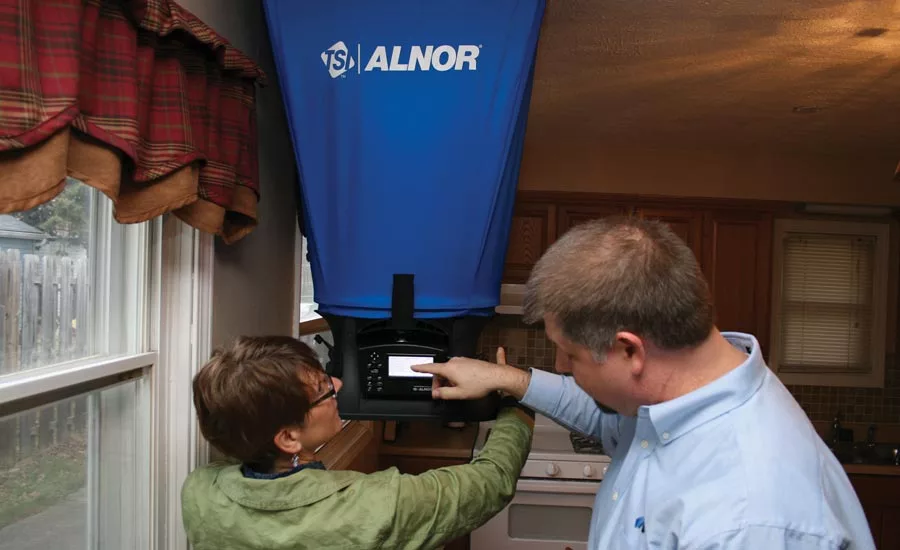
SHOW THEM WHY: Many homeowners have an “a-ha!” moment when they finally “see” why a room is uncomfortable.
A couple of years ago, I wrote an article titled “Four Steps to Start Optimizing a Poorly Performing Duct System.” Since then, I regularly receive calls and emails about the article. One frequently asked question is, “What skills do we need to do this the right way?”
This article is a summary of the skills you need to test, diagnose, and optimize an existing duct system. Use it as an overview of skills you need to complete duct system upgrades that exceed your customer’s expectations. Let’s look at the test instruments and four skills you need to optimize a duct system.
TEST INSTRUMENTS AND ACCESSORIES
Before you can upgrade a duct system, take inventory of your test instruments. It’s likely you own some of the items you need already. Others are more expensive and require an investment. The items you need are:
- A static pressure test kit
- Anemometer (hot-wire or rotating vane)
- Air balancing hood
- Digital dry bulb thermometer
- Digital psychrometer
- Report options (to document results)
Make sure you have the right test instruments and accessories to take the appropriate measurements. If you’re unsure where to begin, start with a static pressure kit and get comfortable with it before making a huge investment.
ONE: AIRSIDE TESTING AND DIAGNOSTICS
Before any testing begins, you’ll need to gather basic system information, perform a visual inspection, and install test ports. If you haven’t yet mastered these skills, start now. Everything from this point on depends on correctly performing these tasks.
Static pressure measurement is the first airside testing skill you need to know how to perform. Start with total external static pressure (TESP) since it indicates overall system health. Additional pressure measurements such as filter pressure drop, coil pressure drop, and duct pressures help identify restrictive duct system component(s). The highest measured pressures are typically where you want to focus your attention. Send me an email to request a copy of the NCI Static Pressure Budgets to help with your diagnosis.
Once your static pressure measurements are complete, add plotting fan airflow to your skillset. You can obtain this reading quickly with the operating fan speed and manufacturer’s fan table for the air handling equipment. If plotted fan airflow is less than 90 percent of required fan airflow, the system needs your help.
At this point in testing, there’s a decision to make. You’re getting ready to cross over from a pre-assessment to full system assessment. It’s time to decide whether to stick to a pre-assessment, with static pressure and fan airflow and a very basic scope of work, or offer a full system assessment. This is the next diagnostic step to measure delivered airflow into the living space.
Looking for quick answers on air conditioning, heating and refrigeration topics? Try Ask ACHR NEWS, our new smart AI search tool. Ask ACHR NEWS
If you choose to stick with static pressure and fan airflow, you’ll need to discuss your findings with the customer or pass them on to the salesperson so they can provide the customer with suitable options. If your technicians offer options, they’ll need to know how to develop a scope of work from the readings they have.
If you choose to measure delivered airflow, you’ll need to make sure you have an air balancing hood and anemometer for duct system measurements. Make sure you know how to use these test instruments and understand the factors that influence them. It’s also a good idea to compare supply register and return grille temperatures to temperatures measured at the equipment. This diagnostic move helps to identify missing or inadequate duct insulation.
You should avoid performing a full system assessment for free or as part of a sales call. Ideally, the customer is paying you for this service. The process works best when you fully engage your customer and involve them in it.
TWO: SALES
You might be the greatest technical mind in our industry and able to perform every airside test imaginable, but if you can’t sell, you will fail.
As Arthur H. “Red” Motley said, “Nothing happens until somebody sells something.”
Sales is a skill you can learn like measuring airflow. Two important traits to develop are carrying on a conversation and listening to understand.
One part of a conversation is asking good questions that prompt thought from your customers about their system. If your questions only receive a yes or no answer, they might not be the most thought-provoking. Consider crafting your own questions with some of the following sentence starters to get more in-depth responses:
- What do you like about…?
- What is one thing you would improve about…?
- What would you change about…?
- Why is that important?
Once you ask a question, listen to what the customer says and take notes. It shows you’re listening and provides you documentation about what’s important to them. Don’t assume they want the latest high-efficiency equipment with a MERV 300 filter and Wi-Fi thermostat. A simple rule to remember is you should listen for twice as long as you talk.
If you struggle with sales or think it’s a cuss word, go to Amazon right now and order “How I Raised Myself from Failure to Success in Selling” by Frank Bettger. Study and apply the lessons in it, and you’ll be surprised at the results — both personally and professionally.
THREE: DUCT DESIGN AND VERIFICATION
Before you upgrade any duct system, make sure the equipment is sized correctly. Unless you enjoy owning nightmare jobs, I recommend you avoid duct system upgrades on oversized equipment. If the equipment is oversized (it usually is) and should be replaced, check to see that the new equipment has enough fan capacity to meet system airflow needs.
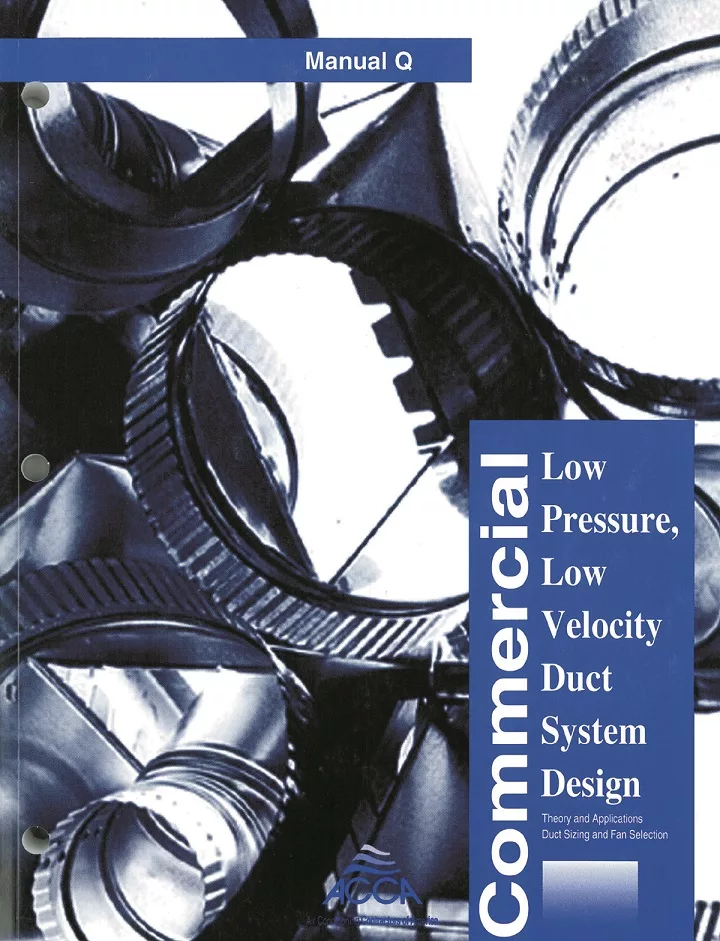
This is also a great time to make sure you understand and can apply the principles found in ACCA Manual D. It’s an industry standard for duct design. It will help you understand how a duct system upgrade should use the lowest pressure drop air filters, coils, and fittings to assure you meet equipment design specifications.
When sizing an existing duct system, few contractors have the free time they need to reverse engineer an existing installation. Experience reveals that field installation conditions rarely result in a well-performing duct system. If the duct system design was bad from the beginning, it needs to be repaired and upgraded. To verify your design method works, test the system once work is complete. It doesn’t matter how good your design skills are — it’s smart to verify you were successful hitting airflow targets. The same skills you use to assess a system should also be used to assure your ducts work.
Four: Installation
It’s easy to forget that installers control airflow while a system is built. They’re the guys in the trenches who ultimately determine how well a duct system performs. Make sure they understand why duct sizing, fitting construction, and proper sealing are so important. When you add duct installation best practices to those principles, installers can expand their skills.
You can also help them see the importance of their work with a balancing hood measurement. It blew our guys away when they saw how much of a difference proper flexible duct support and removal of extra inner core made.
We would take balancing hood readings on a duct as installed and let them see resulting airflow. Then, we removed the bunched up inner core and added support to the flexible duct. This simple test often resulted in airflow increases of 30 to 60 cfm on a 6-inch duct. Small details make a big difference.
START WITH THE END IN MIND
For the best chance of success, it’s a good idea to define why you want to add duct system upgrades to your business. Once you write out your motivation, it’s easier to lay out what your unique product will be and how you plan on implementing it.
If you have a vision for how duct upgrades fit into your daily operations and a framework for their context, you can create a step-by-step plan to achieve your goal and assure everyone understands why their role is important.
Use this article as a general roadmap to determine where you currently are on the airside. You might be farther down the road to accomplishing profitable duct upgrades than you think.
If you’re an HVAC contractor or technician interested in learning more about the skills you need to optimize duct systems, contact me at davidr@ncihvac.com or call 800-633-7058. NCI’s website, www.nationalcomfortinstitute.com, is full of free technical articles and downloads to help you improve your professionalism and strengthen your company.
See more articles from this issue here!
Looking for a reprint of this article?
From high-res PDFs to custom plaques, order your copy today!