FROSTlines
PFAS Rules and A2L Building Codes Continue to Evolve
Experts highlight key regulatory pressures shaping the HVACR industry
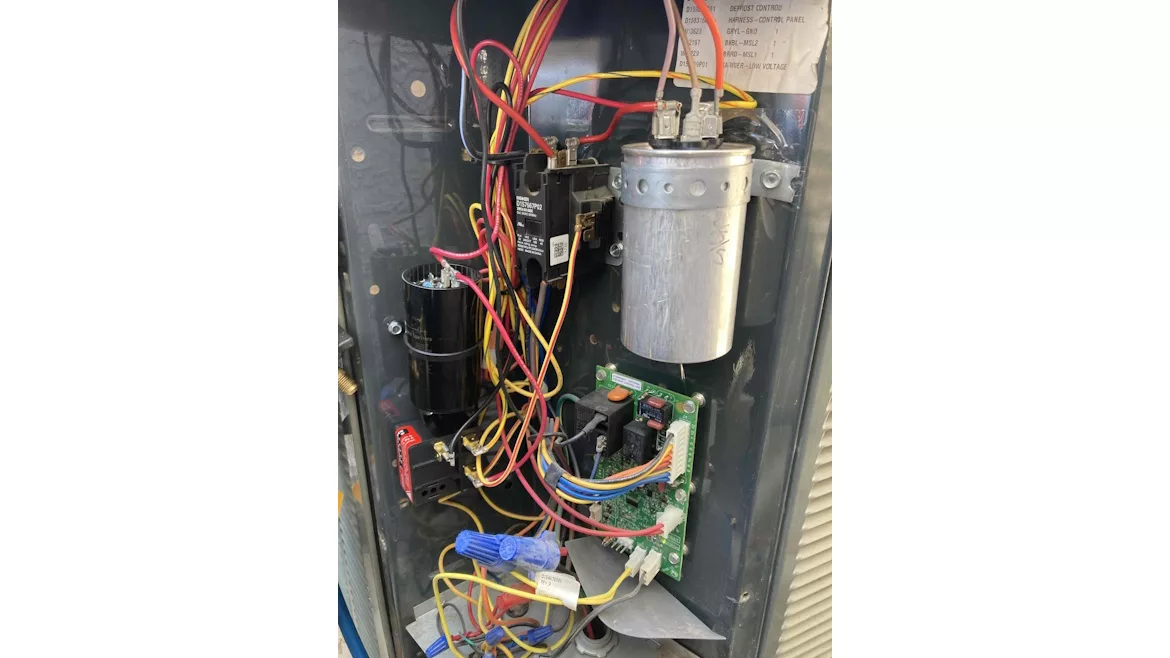
PFAS PROLIFERATION: PFAS are found in many manufactured items, including some HVAC components and refrigerants.
At an educational session during the AHR Expo, regulatory experts from AHRI outlined two areas HVACR contractors and manufacturers should be watching closely: the growing patchwork of PFAS regulations around the U.S. and the continued evolution of building codes tied to A2L refrigerants.
The State Of PFAS
Nicole Colantonio, senior director of regulatory affairs at AHRI, explained that PFAS “forever chemicals” — a large class of chemicals used across many industries — are becoming a major regulatory focus, particularly at the state level. PFAS, short for per- and polyfluoroalkyl substances, are chemicals found in many products that can accumulate in the body and be dangerous for human health.
“PFAS are found in many manufactured items due to their water-, heat-, and grease-resistant properties,” she said, noting their presence in HVAC components and some refrigerants. Because of their potential environmental and health impacts, policymakers are trying to strike a balance. As Colantonio explained, “We believe the approach with PFAS regulation is to take a risk-based approach, essentially anything that can mitigate these risks while preserving access to PFAS for our everyday life.”
At the federal level, activity has remained relatively limited, with a focus on research and development. However, bicameral federal legislation that calls for studying PFAS and their health risks, and restricting their non-essential use, was reintroduced in March.
The Forever Chemical Regulation and Accountability Act was originally introduced in Congress in April 2024, but did not advance out of committee. The bill proposes a 10-year phaseout of non-essential PFAS and aims to stop their release into the environment. It also calls for studies on PFAS health risks, how they accumulate in the body, and guidance to determine which uses are essential versus non-essential.
In the absence of federal progress, attention has shifted to the state level.
“There are a slew of states that are looking at PFAS legislation,” said Colantonio, highlighting Maine, Minnesota, and New Mexico as key examples already moving forward with implementation. Each state is taking a slightly different approach, creating complexity for manufacturers.
Looking for quick answers on air conditioning, heating and refrigeration topics? Try Ask ACHR NEWS, our new smart AI search tool. Ask ACHR NEWS
Maine has already enacted PFAS restrictions, with HVAC impacts stretching far into the future.
“For the HVAC industry, it is effective January 1, 2040,” she said. As of that date, it will no longer be legal to sell or distribute HVACR equipment that contains intentionally added PFAS, including refrigerants. Maine has provided exemptions for used HVACR equipment, parts for HVACR equipment, and refrigerants subject to EPA’s SNAP program.
In Minnesota, manufacturers of products with intentionally added PFAS are required to submit an initial report by July 1, 2026, with annual reporting beginning February 1, 2027. Reporting is conducted through the state’s PRISM (PFAS Reporting Information System for Manufacturers) website, which is now available for use.
New Mexico is generating the most immediate concern due to labeling requirements. Colantonio warned of “very extensive product labeling requirements and very burdensome labor for us to process right now.” She added that industry stakeholders are actively pushing for relief, including “labeling exemption for complex durable goods… [and] an indefinite sell-through period for products manufactured prior to the labeling compliance date.”
Other states with active PFAS legislation include California, Georgia, Illinois, Indiana, Iowa, Kentucky, Massachusetts, Minnesota, Missouri, New Jersey, New York, and North Carolina.
Evolving Building Codes
On the codes side, Tom Deary, senior director of codes at AHRI, was happy to report that the industry has made major progress integrating mildly flammable (A2L) refrigerants into building codes — but he added that the job isn’t finished yet.
“A2L refrigerants are allowed in all 50 states,” said Deary. “There are a few caveats to that statement. There are some states where we're still working on the commercial refrigeration side. We've got a little bit longer of a deadline on that side of the industry, but that is something we're still actively working towards.”
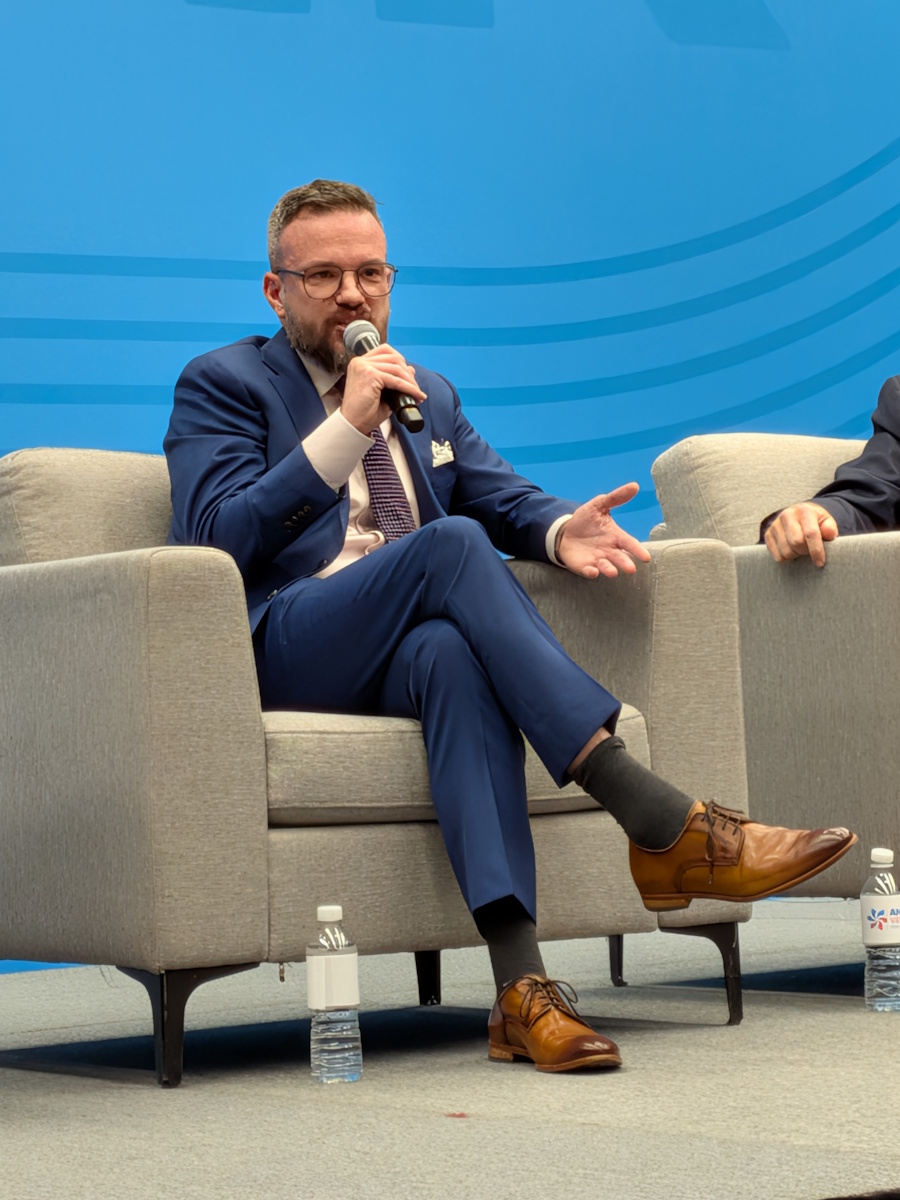
A2L INTEGRATION: AHRI’s Tom Deary was happy to report that major progress has been made in integrating A2L refrigerants into building codes (Staff photo)
To reach this point, Deary said some states have either adopted the 2024 model codes or updated earlier code versions with amendments that align A2L refrigerant use with the 2024 standards.
“There's also been state legislation,” he said. “Approximately 30 states have legislation that allow the use of A2L refrigerants as sort of an interim measure until state codes can be updated. And then, in some cases, we have letters of approval from the authority having jurisdiction (AHJ) in that state or city that confirms that we're allowed to use A2L refrigerants.”
That said, some states remain on 2021 codes, while many others are still using 2018, 2015, or older versions. Deary noted that AHRI continues to work with states — and in some cases, counties and cities — to adopt the 2024 model codes.
At the same time, the next round of code development is already underway. The 2027 model codes are expected to include technical fixes, including resolving confusion around fire-rated shafts.
“It clarifies that A2L piping is not required to be installed in a fire-rated shaft,” said Deary, adding that if it is installed in one, it is exempt from the additional venting requirements that apply to more flammable refrigerants.
Deary anticipates the 2027 model codes to be published around September, with public comment for the 2030 codes opening almost immediately afterward.
While much of the discussion focused on A2Ls, Deary flagged another issue he considers even more significant: a proposed change to the ASME Boiler and Pressure Vessel Code, Section VIII.
According to Deary, the proposed change would eliminate three long-standing exemptions that currently apply to many HVACR components.
“Over 250 negative comments were received during public review, and all of them were rejected,” he said. “Not a single one apparently raised anything worth changing the code over. So on October 13, 2025, AHRI filed an appeal, along with 29 other organizations.”
The concern, Deary said, is not tied to safety issues but to regulatory expansion.
“These are scope exemptions that have been in for decades, in some cases, 40 years. There are no safety incidents that this is in response to. This is really just in the interest of scope creep.”
As regulations evolve, HVACR stakeholders will need to stay alert and informed, as both PFAS rules and code changes continue to reshape the industry.
Looking for a reprint of this article?
From high-res PDFs to custom plaques, order your copy today!