Items Tagged with 'coils and HVACR'
ARTICLES

Choosing Coil Coatings for Coastal and High-Grease Applications
In the right conditions, a properly applied coil coating is the line between premature system failure and years of reliable performance
Read More

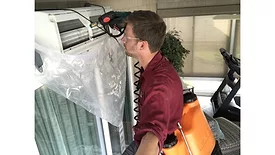
Modern Coils, New Risks: Rethinking HVAC Cleaning Practices
Experts say modern HVAC equipment demands more careful cleaning methods, better chemical discipline, and closer attention to coil type and operating environment.
Read More

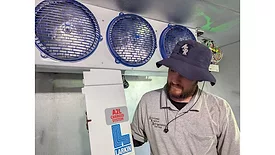
One Coil, Twice the Flexibility
Dual-refrigerant technology eases the transition to low-GWP solutions
Read More

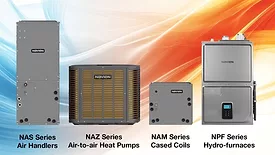
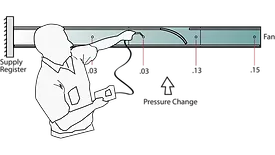

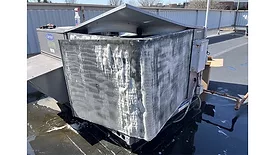



UV-C an Optimal HVAC Option in Health Care Applications
Few industries value pristine IAQ more than the health care sector
Read More

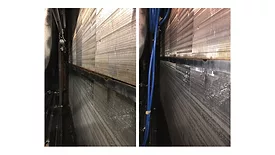
UVC HVAC Treatment Returns 12% Efficiency Improvement
Eliminating accumulated buildup can result in up to a 30% cooling capacity increase when compared to a fouled and dirty coil
Read More