Modern Coils, New Risks: Rethinking HVAC Cleaning Practices
Experts say modern HVAC equipment demands more careful cleaning methods, better chemical discipline, and closer attention to coil type and operating environment.
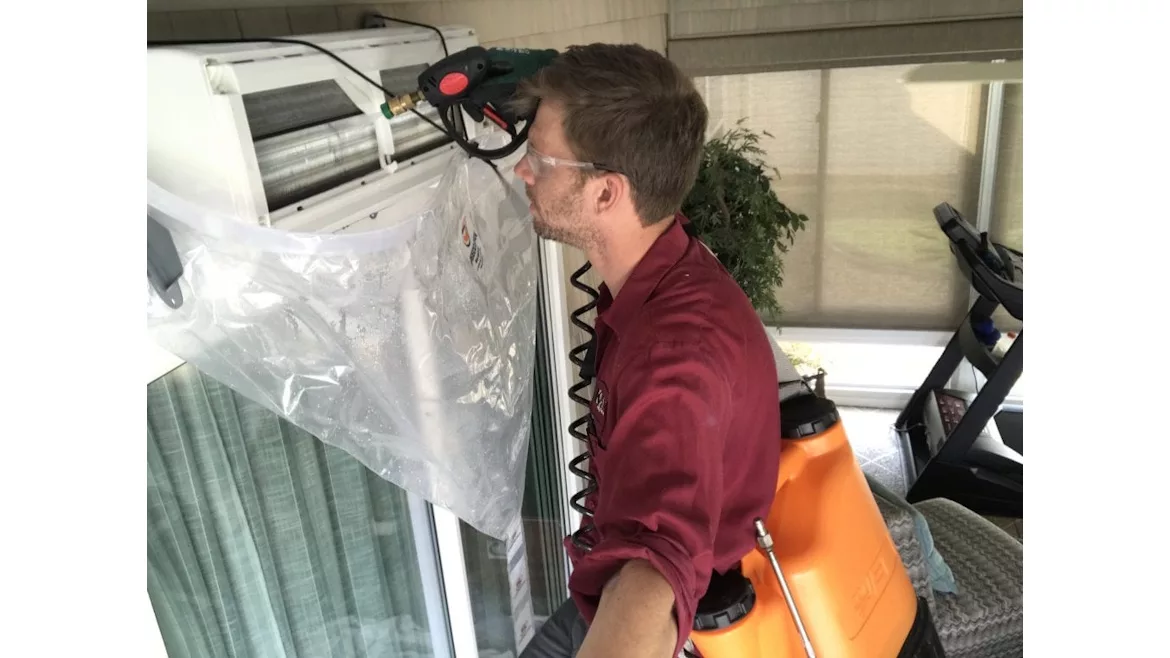
PLAN IN PLACE: Cleaning methods should be matched to coil design, operating environment, and manufacturer guidance to avoid damage.
On the surface, it seems simple enough — if a coil is dirty, hit it with some chemical, scrub, and rinse. But with modern equipment, carelessness can lead to damaged equipment, shortened lifespans, and drastically reduced efficiency.
Implementing proper coil cleaning techniques is becoming more critical as newer HVAC systems incorporate thinner tubing, more delicate microchannel designs, and overall larger coil surfaces.
Industry experts and manufacturers are signaling that contractors need to move beyond old habits and adopt a more deliberate approach to coil maintenance.
Best Practices
Educational platform provider HVAC School founder Bryan Orr laid out the process they use to train students.
First, start with a visual inspection. If a coil looks dirty, the assumption should be that it needs attention.
“That said, some coil designs can hide loading better than others,” Orr said. “Spine fin coils are a good example. They can accumulate debris in a way that may not immediately look severe while still affecting operation.”
After that, it’s best to confirm with system performance data rather than just relying on appearance alone.
Looking for quick answers on air conditioning, heating and refrigeration topics? Try Ask ACHR NEWS, our new smart AI search tool. Ask ACHR NEWS
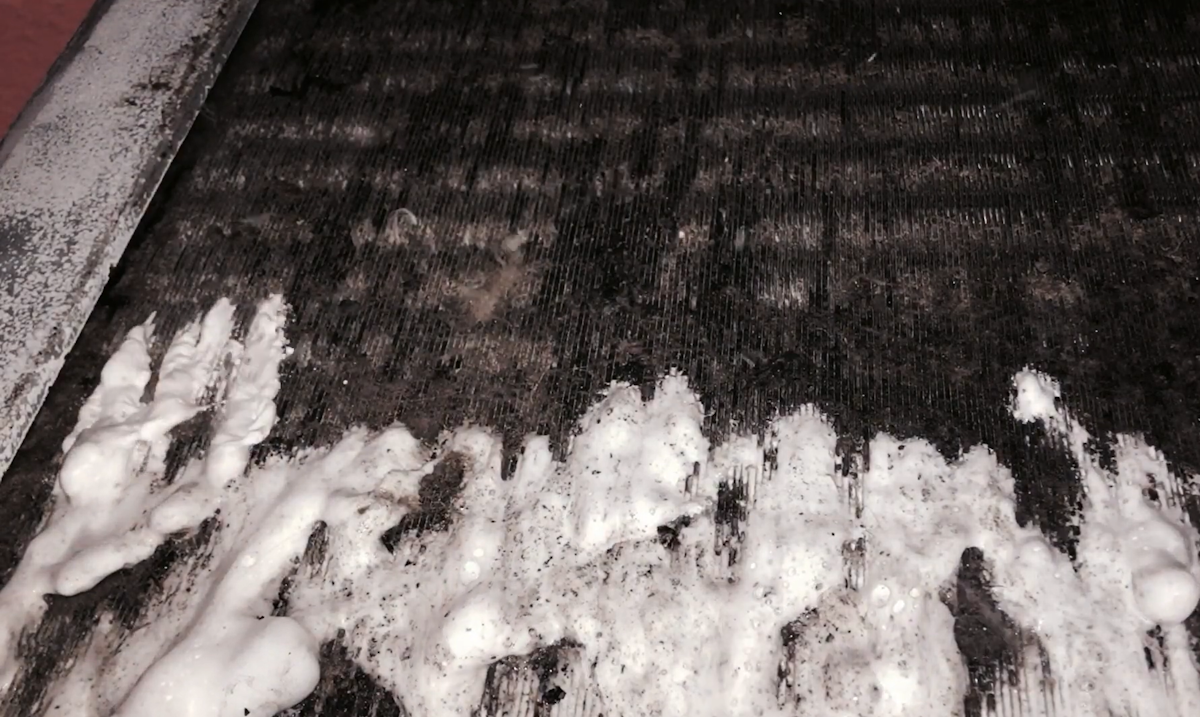
DELIBERATE ACTION: From chemical selection to water pressure and rinse practices, proper coil cleaning now requires a more intentional process. (Courtesy of HVAC School)
“On the condenser side, a dirty coil will often show up as elevated head pressure and a higher compression ratio,” Orr said. “We use tools like measureQuick to help students compare those readings against expected operating conditions for that equipment and refrigerant.”
It’s also important to look at the equipment in context — system age, equipment design, and efficiency rating all matter here.
“In general, higher-efficiency equipment often operates with lower compression ratios under normal conditions, so abnormal increases can stand out more clearly when you know what ‘normal’ should look like,” Orr said.
Caution on Cleaners
Chemicals are alluring. They can certainly get the job done, but a lot of caution needs to be exercised.
Orr said one of the biggest tendencies he’s seeing in less experienced technicians is rushing the job and assuming stronger chemical concentration and more pressure automatically mean a better cleaning.
“That is not true,” Orr stressed. “Over-concentrating cleaners, using the wrong cleaner, or applying too much pressure can damage the coil, harm surrounding materials, and create unnecessary risk for the technician and the customer’s property.”
A better philosophy is a combination of patience, using the right cleaner at the proper dilution, as little pressure as necessary, and making sure the job is done thoroughly and safely.
“Especially on modern equipment, and especially on microchannel coils, proper technique matters,” Orr said. “The phrase I repeat all the time is: Clean it till it’s clean.”

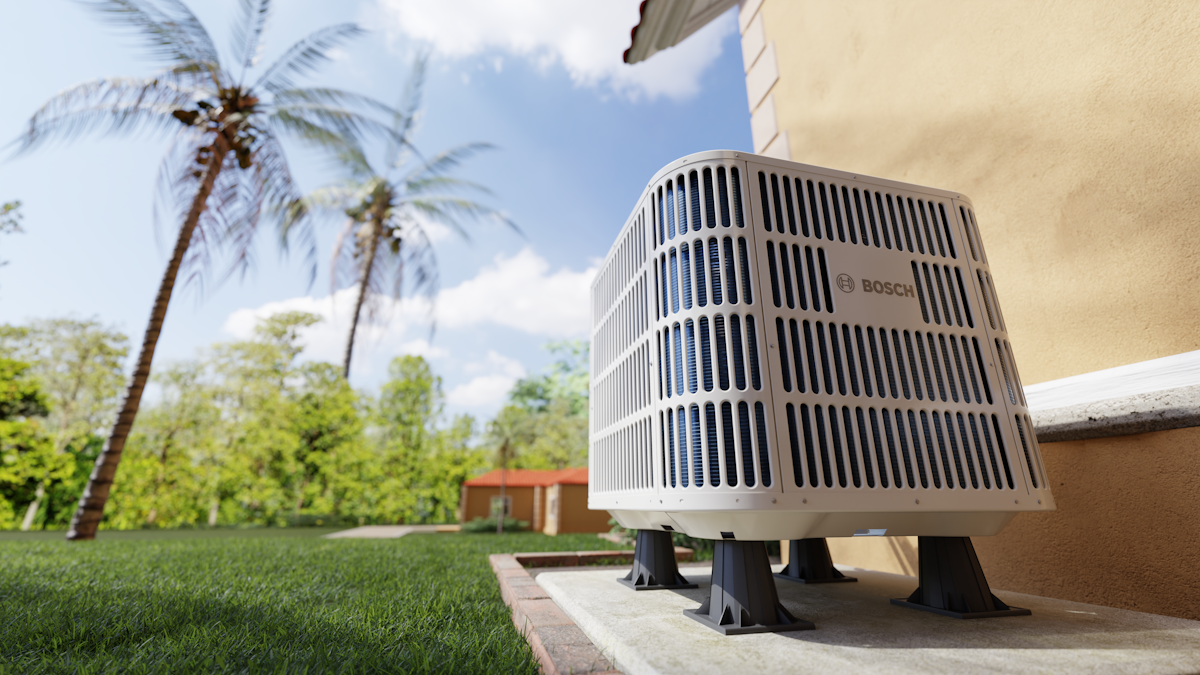
MAINTENANCE PLAN: A proactive coil cleaning program can help extend equipment life and support long-term system performance, and they’re easy to sell to clients. (Courtesy of Bosch Home Comfort)
Author, instructor, and HVACR service contractor Joe Marchese said one of the biggest mistakes he’s seen in the field is that people are not following the directions on the bottle, regardless of the product chosen.
“Technicians generally do not read manuals well or the directions listed — I think that causes most of the issues in the field,” Marchese said. “They either use the wrong product for the job or do not follow the directions.”
From the manufacturer’s perspective, chemical usage needs to be thoroughly thought through before use.
Brooke Russell, aftersales and quality senior manager at Güntner, noted that chemicals containing chlorine, and other chemicals ending in “-ine”, can present major issues with coils, predominantly on the cold side with air units in food preparation rooms.
“Because of the possible growth of bacteria at warmer temperatures in these types of rooms, a large percentage of customers and end users prefer to wash and sanitize with chlorine-based products,” Russell said.
“The high cost of food recalls underscores the need for bacteria prevention, and if chlorine products are used without a proper maintenance program and quality cleaning procedures, contamination and corrosion of air units becomes inevitable.”
Other Environmental Considerations
Not all mechanical rooms are created equal. While all units contain air coils, one room needing enhanced consideration is found within the food industry.
Given that many food prep areas are cleaned daily — especially when chlorine-based cleaning products are used — it is important that the chemicals be thoroughly washed off during the cleaning program.
“Many times, only the equipment below the air units are cleaned in the process, and the sanitizing chemicals are not washed off,” Russell said. “Airflow from the unit fans will eventually pull the chemicals into the air units and begin the process of corrosion.”
AVOIDABLE DAMAGE: Improper cleaning practices can accelerate corrosion and create unnecessary risk for HVAC equipment. (Courtesy of Bosch Home Comfort)
In many process rooms, shoes are sprayed with a sanitizing chemical upon entry. Russell noted that this chemical also migrates to the air unit coils.
“When the air units are also chemically cleaned in these types of rooms, the entire air unit must be rinsed inside and out after the chemical cleaning,” Russell said. “This must be done without spraying into the fans to prevent damage.”
Phil Rains, applications engineer at Bosch Home Comfort, added that a very strong acidic cleaner will pose an increased risk for corrosion and could weaken the structure.
“And while you don’t want to neglect your rinse, high-pressure water cleaning is another concerning method that will quickly wear your tubing and pushes debris even deeper into the coil,” Rains said.
Hand scraping tools and wire brushes can also be too aggressive. Instead, Rain recommends hand pump sprayers, coil-specific cleaners, soft cleaning brushes or combs, and vacuums with soft attachments.
Russell also discouraged the use of drain pan tablets, which are placed in air unit drain pans to react with moisture. This creates a chlorine-type fog intended to disinfect the drain pan and prevent Listeria.
“The makeup of the tablet chemicals will cause corrosion,” Russell noted.
Modern Equipment Considerations
Today’s units are engineered for energy efficiency and sustainability – meaning the copper tubing is often thinner than in older units, putting even higher importance on regular, proactive maintenance to prevent issues and increase longevity.
Rain said this means coils may bend more easily or present a higher risk for microleaks. What’s more, modern coils use very small internal channels that are quick to block, making them increasingly vulnerable to corrosion.
“Luckily, this is easy to combat. Rather than heavy cleaning spaced out, try periodic cleaning and annual inspections,” Rains said. “Also, ensure you’re using manufacturer-approved cleaners and noting what type of coil you have, because that will impact your cleaning process.”
In many cases, higher-efficiency equipment has larger condenser coils and more surface area.
Orr noted that this can make the coil somewhat more forgiving in the early stages of loading, because the system does not always show severe compression ratio changes as quickly as older, smaller coils might.
“The maintenance need is not necessarily new, but the performance impact is still real, especially when the goal is to keep the equipment operating at its designed efficiency,” Orr said.
Where he does think the conversation has changed is with the microchannel coils, which he said require more care in cleaning and handling.
“They tend to foul at the surface, and in my experience, they are more sensitive to damage from excessive water pressure and over-concentrated chemicals,” Orr said.
“That means technicians need to be taught not just to clean coils, but to clean them appropriately for the coil type they are working on.”
Selling and Performing Maintenance
The pitch for coil cleaning as part of a regular maintenance plan is fairly simple — if it’s not done, there’s going to be an expensive mess and downtime.
“The No. 1 cause of compressor failures is from overheating. One of the causes of a system running at elevated temperatures is a dirty condenser,” Marchese said.
“Not cleaning a condenser will definitely lead to a non-operational system, and depending on the system design and safeties incorporated, can lead to a failed compressor — which is a costly repair for any system. It is basically pay-me-now or pay-me-later kind of discussion,” he said.
The right maintenance schedule depends on the customer — should it be calendar-based, condition- based, or tied to operating environment.
Rains explained that a dirty or high-load environment needs more regular cleaning, whether it’s an industrial site or a greasy restaurant, or one with stricter hygiene protocol, such as a hospital.
“Certainly, prioritize condition-based monitoring, where you’re tracking indicators and taking steps based solely on the health of your unit, not just when it’s time to clean,” Rains said. “Calendar-based monitoring helps create a safety net, making sure your unit will never be forgotten.”
All three methods should work in tandem; meaning the environment is analyzed, monitored in real-time, and regular inspections are scheduled as a baseline.
SIDEBAR: Small Mantra Before Maintenance
Rains provided a handy checklist for each step of the process that can be utilized before tackling a job.
“Before cleaning, make sure you know what coil type you’re working with – evaporator versus condenser, for instance. From there, you can establish a better understanding and baseline,” Rains said.
“Then make sure your power is shut off, and drain is clear, and all surrounding components are either covered or prepared for any drainage.”
While cleaning, use appropriate techniques. Clean from the inside out and ensure water pressure is low to moderate. Apply cleaner proportionately and spray with airflow direction. If there are bent fins, straighten them.
Once complete, make sure to rinse thoroughly and remove any cleaner residue. Then remove any coverings placed and restore power. Be sure to test the system before calling it a day, inspecting the drain system, airflow, and pressure.
What separates good technicians from great technicians is the little things. Document the project with notes and photos, and educate the customer on what was done and the next steps.
Looking for a reprint of this article?
From high-res PDFs to custom plaques, order your copy today!