The baffling element of the Omnibus spending bill passed by Congress in December 2015 was the lawmakers’ decision to extend residential and commercial tax credits for solar photovoltaics and big wind through 2021, while allowing similar incentives for ground source heat pumps and other “orphaned” technologies to die on the vine.
My thinking was something like this: It costs a lot, may not be all it’s claimed to be, and looks to be pretty involved (learning curve), so maybe the thing to do is to sit on the sidelines for a while to see how it does. Soon, there was broad use of technology we weren’t familiar with, and I began to sense that some of our competitors had an advantage.
While exterior pollutants, such as smog and CO, may receive more attention, IAQ within a home can have serious effects on our physical and mental health, as well.
As a leader, you probably spend your work time dealing with problems and your downtime dreading them. But there’s another way to look at problems (and it can actually be a benefit to you).
According to a 2016 survey of small businesses (under 300 employees) by Nationwide, three in five do not have a succession plan in place. Of those who do, fewer than half have discussed it with a lawyer or financial advisor. Millennial business owners are most likely to have a succession plan in place (61 percent), compared with 32 percent of baby boomers and 32 percent of GenX leaders, according to the study.
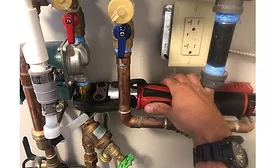
Advancements in technology have brought a lot of opportunity to the tool market, with items like reporting, mobile apps, and wireless data transmission.
Ergonomics can be defined as the science of designing the job to fit the worker rather than physically forcing the worker’s body to fit the job. In the HVAC world, this means making tools as user-friendly to a technician’s body as possible.
Using a GPS system is gaining momentum in the HVAC industry. Contractors are finding it a reliable way to keep track of their vehicles, monitor their employees driving safety, and save time and money.
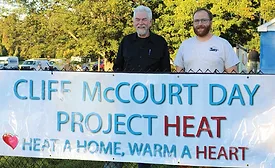
Following in a 32-year tradition of dedication and service, 27 technicians from 17 companies made 60 service calls to elderly customers in need of assistance. A clean and check was completed on each furnace, and any equipment found to have mechanical problems was repaired at no cost to the recipient.