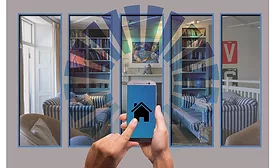
Honing in on the high-end heating market, there have been several changes over the years, but four primary trends stand out among the rest: connectivity, efficiency, aesthetics and health, and upgraded technology.
Business and application tips for current and future trends
November 19, 2018
Contractors can find a vast opportunity in selling radiant heat, which is growing in popularity as it gains further recognition by consumers and contractors alike for its unique qualities.
For many contractors, high-end heat represents a good investment with solid returns. So how do contractors get involved in high-end heating equipment? They talk to other contractors and find out what worked for them.
How about finding extra time during the holidays to stop and enjoy the season as a team, let alone finding extra time to be available for fun and family time? Not likely. But it doesn't have to be this way.
We all know winter is on its way. And HVAC contractors — who brave all types of weather conditions — are using this time to prepare their field technicians and installers for cold weather and the ice, sleet, and snow that come with it.
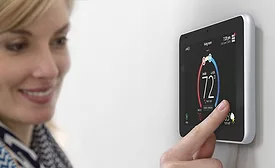
The expected surge in smart thermostat sales will have equipment manufacturers, many of whom have their own proprietary controls, competing with the well-known universal thermostat brands, such as Nest, Honeywell, and ecobee.
From homes and apartments to office buildings, hospitals, and schools, the average American spends 87 percent of their life indoors — and another 6 percent in enclosed vehicles. That means for the overwhelming majority of Americans, the air entering their bodies every day is directly impacted by the buildings that make up the environment.
Cue the HVAC contractor to the rescue. With the right training and the right customer education, IAQ can be a contractor’s golden opportunity to take advantage of potential sales without the added effort of recruiting new clients.
Manufacturers in the realm of IAQ are seeing an uptick in interest due to increased awareness among consumers as well, as the air quality concerns that come as a byproduct of efforts to tighten up buildings to increase energy efficiency. In response, they’ve been updating IAQ products for the age of the smartphone and the “smart” HVAC system.