As hydrofluoroolefins (HFOs), hydrocarbons (HCs), and natural refrigerants are set to replace HFCs, their often-overlooked partners — lubricants — are rarely mentioned. As the industry prepares to adhere to mandated refrigerant transitions, a common question is: “Can I use my old lubricants with new refrigerants?”
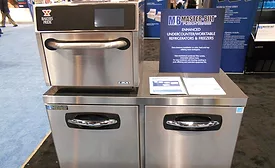
The most commonly heard three-letter term in the ice machine business used to be “ice.” Now, it has been joined by “EPA” and “DOE,” which both are garnering as much attention as the actual end products.
Very few end users fully understand the importance of properly cleaning and sanitizing their ice machines, storage bins, and dispensers. Yet the quality and safety of every beverage they serve as well as the longevity and power consumption of their equipment depends on proper maintenance.
Manufacturers of coolers and freezers are emerging from a regulation-driven innovation cycle and are ready and eager to return to one driven by their customers’ wish lists.
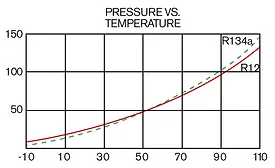
Hydrofluorocarbon (HFC)-134a replaced chlorofluorocarbon (CFC)-12. Now, 134a is on its way out, too. The July 2, 2015, ruling from the U.S. Environmental Protection Agency (EPA) set forth the time frames for the phasedown of certain HFC refrigerants in specific applications.
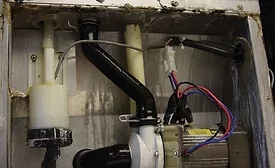
An iced-up evaporator is a common service call for any service technician working in this industry. Generally, determining this is the cause of the system problem is rather easy. But what caused the evaporator to ice up may not always be obvious.
At a recent International Institute of Ammonia Refrigeration (IIAR) meeting, Mark S. Dreux, a partner and head of the OSHA group at the Washington, District of Columbia, law firm Arent Fox LLP, gave a presentation on how facility personnel can manage the biggest challenges associated with an OSHA inspection.
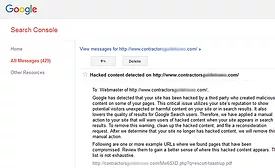
Every week, my office receives at least a half dozen calls from small, local business owners in desperate need of a hacked website cleanup, and the volume of these calls appears to be increasing.
There are many options for renting portable coolers, but in a pinch, how can contractors guarantee they’ll get what customers need? Here are some guidelines to ensure a company rents the right portable equipment and some tips for speeding up the response time.
While certain provisions within the House and/or Senate versions of the bill have received support from industry and environmental organizations, many differences exist between the House and Senate versions of the bill that must be reconciled during conferencing.
 RSS
RSS