The collective energy savings translates into cost savings of more than $100 million and carbon reductions of more than 667,000 metric tons. Optimum’s software has also cut water use by over 200 million gallons to date.
The scorecard offers mostly good news about energy efficiency — the nation’s third-largest electricity resource. In response to federal efforts to freeze U.S. vehicle and appliance standards, quite a few states worked to retain their own standards and to promote electric vehicles as well as zero-energy buildings.
To kick off the event, Armstrong announced its “2 in 22” initiative: a commitment to reducing greenhouse gas emissions among its installed customer base by 2 million tons by the year 2022.
Sometimes, the best-laid plans in design and construction don’t get translated into practice. What happens once the construction workers leave and the ribbon-cutting is over — the operations and ongoing maintenance — plays a big role in making sure that building lives up to the energy efficiency standards promised.
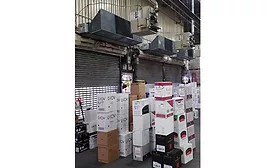
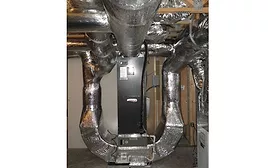
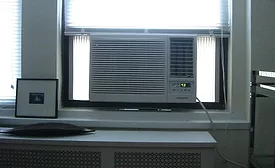
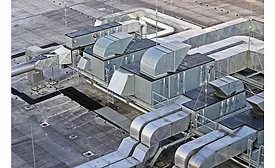
Following are four examples — a kosher wine shipping center, a chiller plant in a marine research lab, a community pool, and a 10th-floor medical office retrofit — that illustrate just how creative high-efficiency products can be when it comes to unique solutions for everyday issues.
With heating and cooling accounting for nearly half the energy use in a typical U.S. home, it’s not a surprise that the market for energy-efficient products continues to remain strong. According to a recent study by Zillow, energy efficiency ranked among the top priorities during a home search.
The EERS required Indiana’s electric utilities to cut energy delivery by an average of 2 percent annually, as well as providing home energy assessments, low-income weatherization, and efficiency rebates for businesses, homeowners, and schools. In 2014, Indiana legislature passed SEA 340 to cancel the EERS. Then Gov. Mike Pence did not veto or sign the bill, so it became law, and Indiana became the first state to repeal its energy efficiency standard.
With trends in home-performance contracting shifting to performance as opposed to simply higher-efficiency equipment, contractors are left with the challenge of breaking the hodgepodge cycle of heating and cooling.
The American Council for an Energy-Efficient Economy study found that most commercial air conditioners in the US are oversized by 25-50 percent. In fact, subsequent studies have only counted units as oversized if it is more than 25 percent oversized because that is widely considered a “safe and acceptable practice.”
In supermarkets, where HVAC and refrigeration equipment use 50 to 60 percent of all electricity consumed, new technologies and advanced control strategies have been developed to help boost energy efficiency as well as reduce emissions.