The OS758-LS hand-held dual laser infrared thermometer delivers reliable non-contact measurement for instant troubleshooting. It measures temperatures up to 1,600°C (2,912ºF) with adjustable emissivity for accurate results.
Bob and Tim are at lunch after tuning up an oil burner. When they arrived at the job the home was cold and the oil burner was burning erratically if burning at all. They gave the system a tune-up, started the furnace, and decided to take a lunch break while the furnace heated the house. Then they were going back to do a combustion check on the furnace to make sure that it was set up for the best combustion.
Bob and Tim have arrived at a customer’s house that uses fuel oil for heat. This is a “no heat” call — the customer called first thing this morning and said that the oil furnace was not coming on, and the house was cold. When they arrived, they talked to the customer, and the customer said that he had made several tries to get the furnace to operate but with no luck.
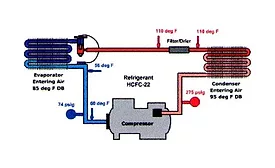
How to identify and repair restrictions and damage in the liquid line
March 6, 2017
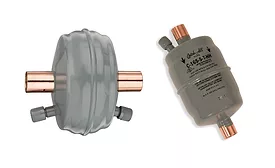
In last month’s article, “Inside Filter Driers,” which appeared on Page 18 of the Feb. 6 issue of The NEWS, we covered the internal construction, filtering, and drying materials within a refrigerant filter drier. This month, we’ll deal with troubleshooting, service, and replacement of the filter drier.
It’s the middle of summer and your customer, who can’t provide you with any helpful information about the history of this situation since they just recently purchased the business, is complaining that the temperature inside their small convenience store won’t get comfortable whenever the outdoor temperature gets over 90°F.
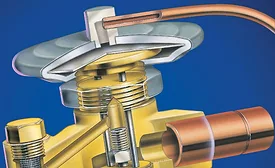
A system with a restricted metering device will display the same symptoms as a system with a liquid-line restriction. This is because the TXV is actually part of the liquid line.
Refrigerant migration occurs as a result of a difference in vapor pressure between the oil in the crankcase of the compressor and the refrigerant vapor in another part of the system.
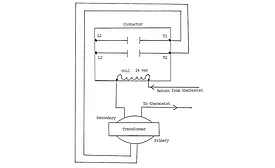
In this troubleshooting problem, it’s the middle of July, and you are the follow-up technician on a callback. The original complaint was a “no cooling at all” call, and the technician who preceded you on this job (we’ll call him Technician #1) has only limited experience, but he reported correctly that he found a failed transformer and replaced it.
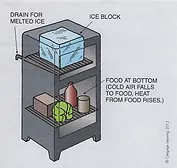
Bob and Tim have had a big day at work — it’s 3:30 in the afternoon, and they are done for the day. They’re having coffee at a local restaurant, talking about their careers when Tim asked a question, “What is a ton of refrigeration, and why is it called a ton?”