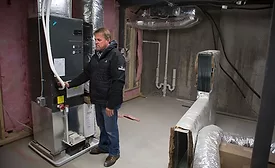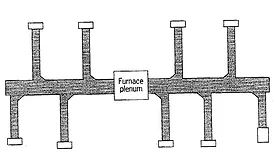
This troubleshooting situation has a history. In the six years that the up-flow gas furnace in this three bedroom house has been in service, several attempts have been made to solve the problem of one bedroom that, according to the customer, is always too cool during the heating season. This residence is a brick home on a slab, and the air handling system, which located in the crawl space above the ceiling, is shown in Figure One.
Bob and Tim are on their first service call for winter. They are at a retail store that has 4 units to heat and cool the store. They are all 15 on heat pumps. One area of the store is not heating or cooling well and during the heating cycle, the heat pump auxiliary heat light is staying all for long lengths of time.
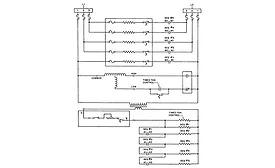
The equipment in this month’s troubleshooting problem is a forced-air electric heating system with five resistance-type elements, and in order to ensure that this equipment can operate with maximum efficiency and prevent an electrical system overload on a call for heat, a multiple-step sequencer system employed.
Service valves are so basic, and we see them with such regularity that we can miss them altogether. But, before I give the tips, I want to address the tech who tells the customer it was “probably the service valve” or “the caps were loose” as a plausible reason for a leak without actually doing a proper diagnosis. Don’t make excuses, find the leak.
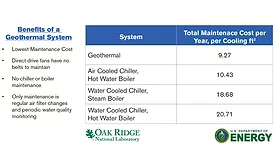
While geothermal heat pumps may initially seem complicated to service or troubleshoot for some technicians, with the right training, they will find that these systems are similar to conventional air-source heat pumps.
In this month’s troubleshooting problem, the equipment that needs servicing is a split system heat pump, manufactured under the brand name Grandaire (ICP, Lewisburg, Tennessee). The indoor unit model number is WAPT304A2, and the outdoor unit model number is WCH5304KGA100. This is a 2.5-ton unit in a residential installation.
While residents and business owners in Texas, Louisiana, and Florida struggle to rebuild their lives following the path of destruction left by Hurricanes Harvey and Irma, local HVAC contractors and manufacturers have an opportunity to step in and do what they do best — provide comfort.
All technicians at some point will need to call and speak with a manufacturer’s technical support adviser. I have made many calls to these advisers throughout my career and learned how to best get the information I needed from them.