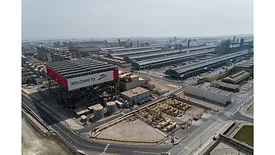
A surge in aluminum prices tied to the Middle East conflict is adding new pressure to HVAC equipment and project costs. Combined with rising fuel prices, tariffs, and slowing construction activity, contractors could face tighter margins and increased project uncertainty.
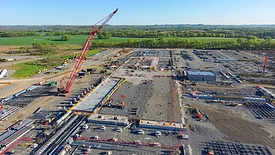
Dig into how data center mechanical systems must be engineered to handle stricter power and water limits, increasing computing density, and heightened community concerns, all while staying flexible for the future.
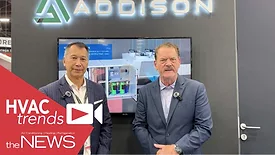
Addison’s Peter Fung and Ross Miglio discuss the projected growth of the data center market by 2026, how contractors can break into the market and then succeed, what skillsets or type of training is required to service mission critical facilities, and what success for HVACR contractors looks like in this sector.
FMI's Jay Bowman weighs in on how surging data center demand is reshaping labor, materials, and strategy across the commercial construction market, with a focus on impacts for the sheet metal and HVAC trades.
The White House issued policy recommendations to Congress on artificial intelligence, including suggestions that could support the HVAC industry’s role in data centers.
A practical look at what it really takes to deploy free cooling in data centers facing extreme temperatures, from misconceptions to hidden costs and lessons learned.
Daikin says with inverter adoption expanding, heat pumps gaining share, and data center cooling expected to triple by 2030, the shifts could reshape how contractors plan for future installs and training.
With residential HVAC slumping, data centers are driving growth —
but new chip designs, local resistance, and even space-based alternatives raise questions about whether that boom will last.
Carrier QuantumLeap solutions enable customers to manage data center cooling as an integrated system rather than a standalone asset, connecting equipment, controls and services across the facility.