How Data Center Growth is Impacting Material, Labor Competition
In this Q&A with Jay Bowman of FMI Research, we unpack how the data center construction boom is causing ripple effects for HVAC

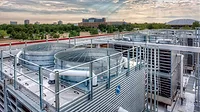
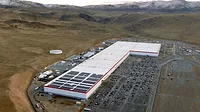
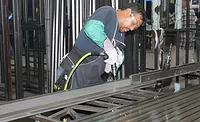
GROWTH: Jay Bowman of FMI discusses how the rapid growth of data center construction is straining skilled labor and material availability.
As data center construction booms, ripple effects are being felt well beyond the tech sector. In this Q&A, Jay Bowman, partner and leader of FMI’s Research and Analytics Practice, unpacks how the surge in data center demand is reshaping labor, materials, and business strategy for the broader commercial market – including the sheet metal and HVAC trades.
Are you noticing increased competition or longer lead times for skilled labor or specialty materials as data center projects ramp up in your region?
In the hottest data center markets, the real bottlenecks aren’t demand – they’re skilled labor and power. The skilled labor shortage is the number one delivery challenge where big data center and infrastructure projects are active, and it’s even more pronounced in remote areas like west Texas. We’re also seeing longer lead times for critical building products and systems, such as electrical switchgear. Competition is increasing, with more contractors eyeing the data center market – including new entrants looking for growth. The market itself is becoming more segmented, with niches from hyperscale to smaller enterprise facilities. That’s made it easier for new players to jump in, but certain segments remain closed off due to exclusive relationships and control of key components.
Have you experienced a shift in demand from traditional commercial projects toward more data center-related work, and if so, how is that impacting your project pipeline?
We’ve seen contractors almost accidentally become data-center-only companies. While FMI isn’t a contractor, we’re seeing a clear shift; for many firms that started chasing data center projects just two or three years ago, those jobs can now make up over half their revenue and backlog. It’s happened quickly enough that some are starting to worry about overexposure and are putting caps on how much data center work they’ll take on.
In your experience, are manufacturers or suppliers prioritizing data center specs when it comes to HVAC systems and sheet metal products? If yes, how has this affected sourcing for other project types?
I wouldn’t call it favoritism, exactly. What’s happening is more like capacity drift. Manufacturers and suppliers didn’t set out to prioritize data center jobs, but their production has shifted that way almost by accident. Now, some are worried about what happens to their traditional markets when data center construction slows down.
Are you seeing changes in project sequencing, scheduling, or execution risk due to the concentration of data center construction in your market?
In a word, yes. A lot of firms have grabbed the tiger by the tail and are only now realizing they’re not in control.
How are you adapting business strategy, workforce planning, or supplier relationships in response to these shifts?
Many of our clients are now limiting how much data center work they’ll take on. For them, discipline – especially the discipline to say no – has become a real competitive advantage.
What innovations or product changes are you seeing from suppliers driven by data center requirements, and how are those changes filtering down to non-data-center projects?
The real shift isn’t so much about new technology as it is about industrialized construction at scale. The main innovation is more widespread use of prefabricated systems and modular components, mainly to meet aggressive schedules. These approaches aren’t really migrating to other types of projects, because the drivers – tight schedules and labor shortages – aren’t as intense outside the data center space.
Are there specific challenges or opportunities emerging because data centers are absorbing resources that used to be available to the wider commercial market?
The biggest challenges are those I’ve mentioned – labor shortages and supply chain strain. But it doesn’t stop there. The data center boom is also fueling growth in sectors like power, water/wastewater, and semiconductor manufacturing. So, it’s not just the commercial market feeling the squeeze.
Is there anything you wish project owners, general contractors, or policymakers understood better about how data center growth is affecting specialty trades such as HVAC and sheet metal?
General contractors are well aware of the situation, but project owners and policymakers need to understand the importance of investing in workforce development. The construction industry is always shifting – there’s always some segment growing, whether it’s data centers now or something else next. Workforce development isn’t just a knee-jerk reaction to today’s data center demand; it’s insurance for whatever comes next.
For more insights on construction trends and the 2026 outlook, visit FMI’s latest reports and analysis. The data center surge may not last forever, but its impact on skilled trades, materials, and project delivery is already reshaping the commercial construction landscape – and raising new questions for every contractor, supplier, and fabricator in the business.
Looking for a reprint of this article?
From high-res PDFs to custom plaques, order your copy today!