ACHR News
search
Ask ACHR NEWS AI
cart
facebook twitter instagram linkedin youtube
  • Sign In
  • Subscribe
  • Sign Out
  • My Account
ACHR News
  • NEWS
    • Breaking News
    • New HVAC Products
    • Featured Products
    • Manufacturer Reports
    • HVAC Data
    • Legislation
    • ACHR NEWS Centennial
  • RESIDENTIAL
    • Air Conditioners
    • Furnaces
    • Residential Heat Pumps
    • Ductless
    • Residential IAQ
    • Testing, Monitoring, Tools
    • Components & Accessories
  • COMMERCIAL
    • Air Handlers
    • Rooftop Units
    • Chillers and Cooling Towers
    • Commercial Heat Pumps
    • Boilers and Hydronics
    • VRF/Ductless
    • Commercial IAQ
  • REFRIGERATION
    • Refrigerants
    • Refrigerant Regulations
    • Leak Management
  • CONTRACTOR PRO
    • Geothermal
    • Homeowner Study
    • VRF and VRV Ductless
    • Unitary Trends
  • EDUCATION
    • Training and Education
    • Business Management
    • Service and Maintenance
    • Continuing Education
    • Market Research >
      • HVAC Brand Awareness Report
      • VRV, VRF, VRVZ Report
      • Unitary Trends Report
      • Water Heat Professionals Report
    • Webinars
    • Sponsor Insights
    • eProducts Info
    • White Papers
  • EVENTS
    • HVAC Contractor Forum
    • Industry Events and Webinars
  • MEDIA
    • Videos
    • AHR Expo 2025 Videos
    • Podcasts >
      • ACHR News Podcast
      • HARDI Podcasts
      • AHR Expo Podcasts
      • ACCA Podcasts
    • Interactive Spotlights
    • Quizzes
    • eBooks
    • HVAC Talkback
  • HVAC GROUP
    • ACHR NEWS >
      • Current Issue
      • Digital Edition
      • Subscribe
    • Distribution Trends
    • SNIPS NEWS >
      • Join SNIPS NEWS
    • Engineered Systems News >
      • Join ES News
    • HVACR Directory
    • Contests
    • Newsletters
    • Contact
    • Advertise
    • My Account
NewsRefrigerationTesting | Monitoring | Tools

FROSTlines

Continuous Monitoring Is Reshaping Refrigeration Service

With real-time data, service becomes less reactive and more predictable
By Ming Yong, Marion Lazzarotto
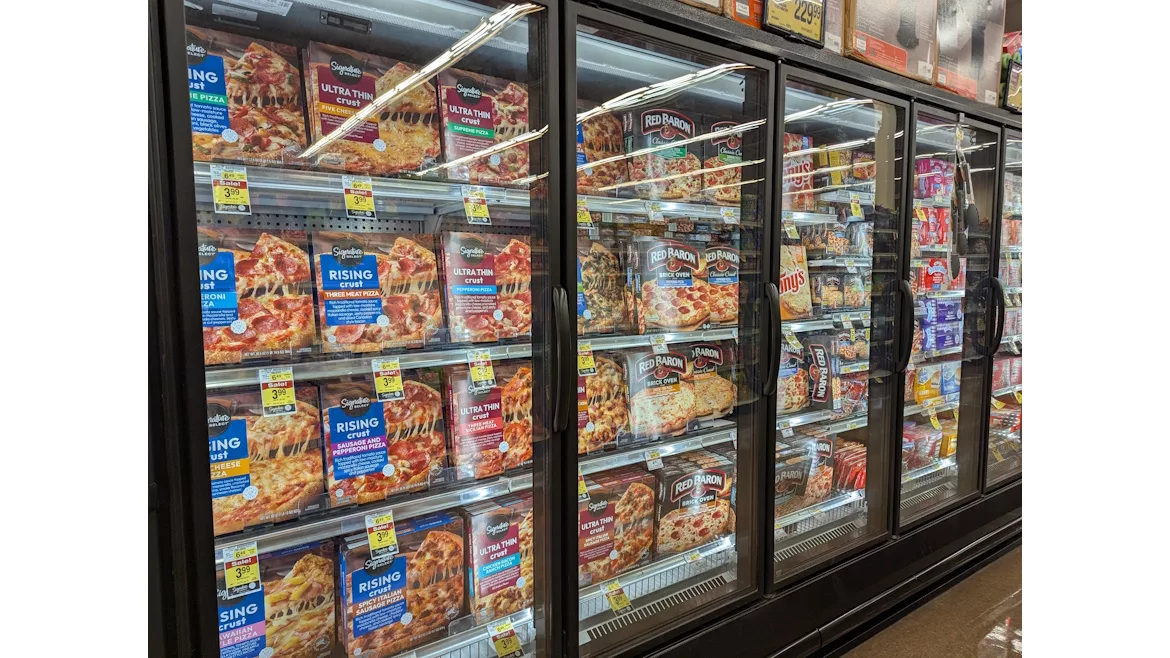
Frozen-food-pizza-case.jpg
Staff photo

REDUCING RISK: Receiving an early alert can give contractors enough notice to schedule service before compliance is compromised or any product is at risk. 

May 5, 2026
✕
Image in modal.

Across the U.S., contractors providing commercial refrigeration service are under increasing pressure. Many cover large territories with multiple sites while also trying to recruit and retain qualified technicians. At the same time, expectations around system performance, uptime, and documentation continue to grow.

In this environment, connected IoT systems, remote diagnostics, and continuous refrigeration monitoring are changing how service work gets done. Indirect automatic leak detection (ALD) is giving contractors continuous access to system data.

Instead of relying only on alarms and on-site diagnostics, contractors can now monitor multiple refrigeration systems remotely, from a single dashboard. This shift is helping teams move from reactive service toward a more proactive, data-informed model for preventive maintenance.


Informed Decision Making

Thankfully, not every issue requires an immediate dispatch. In the past, a single alarm often triggered a truck roll, even (or especially) when the underlying issue was unclear. With access to historical and real-time system data from today’s ALD expert systems with continuous monitoring, contractors can evaluate and, in some cases, diagnose system behavior remotely, then decide how to respond.

This is important because refrigeration systems do not operate under fixed conditions. Demand can change throughout the day based on store activity, including customer traffic, product stocking, door openings, and the type of display cases in use. Without context, it can be difficult to determine whether a fluctuation in system performance reflects normal operation or a developing issue.

Because the new proactive, data-driven approach relies on continuous system behavior (that it “learns” through an algorithm) rather than a single point-in-time measurement, it provides a more complete picture of how issues develop. With increasing expectations around refrigerant leak detection and reporting, contractors can also provide clearer documentation of system performance over time.

For example, instead of reacting to a single alert, contractors can take a look first from their phone or other device at whether refrigerant loss is gradual or sudden and tell whether performance is stabilizing or deteriorating. They can also more easily see if energy use is drifting outside its normal operating range and determine whether or not a prior repair truly resolved an earlier issue.

Looking for quick answers on air conditioning, heating and refrigeration topics? Try Ask ACHR NEWS, our new smart AI search tool. Ask ACHR NEWS →

This added context supports clearer decision-making and shared situational awareness. The new proactive, data-driven model is good for the contractor’s day-to-day business and bottom line.


Fewer Emergency Calls

One of the most immediate impacts of ALD is the ability to reduce emergency service calls. When developing issues are identified early, contractors can organize a response well before a shelf warms up or spoilage occurs. Rather than reacting to a failure overnight, they can schedule service during regular hours, group visits geographically, and ensure technicians arrive with the right tools and materials.

What does this mean in practice? Instead of responding to a 3 a.m. alarm, teams can plan a 3 p.m. service call instead. This alternative, in a nutshell, reflects how early detection, enabled by continuous monitoring, is reshaping service.

In one field test, an alert was triggered at an early stage of refrigerant loss (just 4.2%, compared to the 10% industry benchmark most regulated jurisdictions require companies to meet). In practical terms, receiving an alert at this point would give a contractor enough notice to schedule service before compliance is compromised or any product is at risk.

Matelex_TableTopResults_Graphic

CAUGHT EARLY: In one field test, an alert was triggered at just 4.2% -- an early stage of refrigerant loss. (Courtesy of Matelex)

This shift is simple yet profound, improving efficiency across the board. It reduces overtime, limits disruption, and makes better use of available technician hours, with less stress and reduced technician burnout as a result.


Improved Fix Rates

Access to system data before traveling to a site (or at any other time, such as prior to speaking with a customer) also improves the effectiveness of each visit. Technicians can review how refrigeration systems have been operating over time, including pressures, temperatures, and changes in refrigerant levels. This helps them understand whether a system is stable, losing charge, or showing signs of wear and tear in ways that affect performance.

That visibility allows teams to arrive well prepared. They can confirm whether a leak is likely active, estimate how much refrigerant may be needed, and determine whether any additional intervention is required.

Instead of diagnosing conditions from scratch, technicians can come with a working understanding of the system. This reduces time spent troubleshooting in the field and increases the likelihood that problems are resolved in a single visit.

Fewer return trips improve customer satisfaction and retention. Another bonus is that fixing things right the first time frees up capacity for additional work.

Distinguishing between urgent issues and those that can be addressed during scheduled maintenance can also make a meaningful difference. Contractors can avoid unnecessary truck rolls and focus resources where they are most needed.

With visibility across multiple sites, service managers can also compare system conditions and prioritize which locations to visit in a given day or week. Each avoided dispatch saves time, reduces fuel costs, and allows technicians to focus on higher-value work.


Hidden Energy Costs

Refrigerant leaks do not only affect compliance -- they also impact system performance and operating costs. As refrigerant charge declines, compressors work harder to maintain temperature. Energy consumption increases, reducing overall energy efficiency (most often measured in terms of COP) while increasing operating costs. Wear on critical components also accelerates.

These changes often happen gradually and can be difficult to detect without trend data. This is particularly true in environments where demand continually fluctuates.

By consistently monitoring refrigeration system performance, contractors can identify these patterns early and address issues before they lead to larger failures or costly repairs. With that visibility, contractors are also better positioned to show how incremental losses affect maintenance and supply budgets over time, and how early detection can improve return on the initial equipment investment, extending the life of a system.  

As more systems move towards ALD, with remote diagnostics and continuous monitoring, service becomes less reactive and more predictable. Instead of responding to isolated events, contractors can base decisions on system behavior over time. This supports more deliberate scheduling, better workforce planning, and more consistent service across multiple sites.

KEYWORDS: FROSTlines Monitoring in HVACR service calls

Share This Story

Looking for a reprint of this article?
From high-res PDFs to custom plaques, order your copy today!


Ming Yong heads up U.S. business development for Matelex.

Marion Lazzarotto is the director of customer experience for Matelex.

Recommended Content

JOIN TODAY
To unlock your recommendations.

Already have an account? Sign In

  • HVAC-enrollment

    The Trades Are Back: HVACR Programs See Nearly 30% Enrollment Spike

    A new wave of future technicians is entering the pipeline.  
    Training and Education
    By: Matt Jachman
  • 2025 Top 40 Under 40

    2025 Top 40 Under 40 HVACR Professionals List

    The 11th annual Top 40 Under 40 list highlights those...
    HVAC Light Commercial Market
    By: Hannah Belloli-Oster
  • LG Ductless Mini-Split Systems

    The 9 Types of Heat Pumps

    As the U.S. moves toward electrification, heat pumps are...
    Heat Pumps
    By: Joanna R. Turpin
Subscription Center
  • Create an Account
  • Start a Subscription
  • Manage My Account
  • Sign Up for Newsletters
  • Visit Customer Service
  • Update Preferences

More Videos

Sponsored Content

Sponsored Content is a special paid section where industry companies provide high quality, objective, non-commercial content around topics of interest to The News audience. All Sponsored Content is supplied by the advertising company and any opinions expressed in this article are those of the author and not necessarily reflect the views of The News or its parent company, BNP Media. Interested in participating in our Sponsored Content section? Contact your local rep!

close
  • Piggy Bank
    Sponsored byWatercress Financial

    Energy Prices, Inflation, and HVAC: What Today’s Homeowners Care About

  • Refrigerated Food
    Sponsored bySolstice Advanced Materials

    R-455A Refrigeration: A Cold Storage Solution for the Future

  • Airex Rooftop Units
    Sponsored byAirex Manufacturing Inc

    Consolidating Roof Penetrations: A Growing Trend in Multifamily HVAC Design

Popular Stories

HVAC-Price-Increase-graphic

HVAC Price Increase List: June 2026

Trump-Section-232.jpg

Trump Reduces Section 232 Tariffs on HVAC Equipment to 15%

Refrigerants-and-gauge.jpg

HVAC Industry Warns of Counterfeit Refrigerants Entering U.S. Supply Chain

Heat-pump-cutaway.jpg

PFAS Rules and A2L Building Codes Continue to Evolve

Midea-training.jpg

HVAC Workforce Crisis Expands Beyond Technicians to Instructor Shortages

View The ACHR NEWS
Centennial Anniversary Timeline

The ACHR News Timeline Chart
Submit a Letter
Submit a letter to our editors.

Events

November 6, 2025

Next-Gen Data Center Cooling: HVAC Innovation and Real-World Solutions

On Demand As AI workloads and high-density computing push traditional cooling methods to their limits, the data center industry is accelerating the adoption of next-generation HVAC technologies.

June 17, 2026

Decarbonization Without Disruption

This webinar will explore practical HVAC decarbonization strategies that minimize disruption while maximizing long-term performance and ROI.

View All Submit An Event

Poll

Summer Staff

Are you fully staffed for the summer season?
View Results Poll Archive

Products

BNI Mechanical/Electrical Square Foot Costbook, 2026 Edition

BNI Mechanical/Electrical Square Foot Costbook, 2026 Edition

See More Products
Decarbonization Without Disruption - Free Webinar - 6/17/2026

Related Articles

  • Mitsubishi unit performs continuous monitoring

    See More
  • Building Envelope courtesy of Colin Thompson / iStock / Getty Images Plus

    Airtight: How New Building Design is Reshaping the HVAC Playbook

    See More
  • MPH_Harts_Servicesa.jpg

    From Perk to Expectation: How Financing Is Reshaping HVACR Sales

    See More

Related Products

See More Products
  • HVACR-Troubleshooting-Fundamentals-Cover-Image-One-Sheet.jpg

    HVACR Troubleshooting Fundamentals - Refrigeration & Air Flow Systems Training Package for Instructors & Service Managers

  • The ACHR News - March 2, 2026

    ACHR NEWS March 2, 2026, Issue

  • Tech_CommRef_Guide_Small.jpg

    Technician’s Guide & Workbook for Quality Maintenance on Commercial Refrigeration Equipment

See More Products

Events

View AllSubmit An Event
  • May 21, 2026

    The A2L Genie is Out of the Refrigerant Canister – What Now?

    On Demand Join this webinar to learn about key updates to refrigerant regulations. We will cover practical installation and servicing content gathered from thousands of our interactions with contractors across the US and Canada.
View AllSubmit An Event

Related Directories

  • RSES - Refrigeration Service Engineers Society

    RSES--a non-profit organization founded in 1933 with Chapters in the U.S. and Canada--is the world's leading training and certification association for HVACR professionals.
×

Sign Up. Stay Informed.

The #1 trusted source for the HVACR industry since 1926

SUBSCRIBE
  • RESOURCES
    • Advertise
    • Contact Us
    • Advisory Board
    • Classifieds
    • Submit a Letter
    • Directories
    • Store
  • ACCOUNT CENTER
    • Create an Account
    • Start a Subscription
    • Manage My Account
    • Sign Up for Newsletters
    • Visit Customer Service
    • Update Preferences
  • SERVICES
    • Marketing Services
    • Reprints
    • Market Research
    • List Rental
    • Survey/Respondent Access
  • STAY CONNECTED
    • LinkedIn
    • Facebook
    • Instagram
    • YouTube
    • X (Twitter)
  • PRIVACY
    • PRIVACY POLICY
    • TERMS & CONDITIONS
    • DO NOT SELL MY PERSONAL INFORMATION
    • PRIVACY REQUEST
    • ACCESSIBILITY

Copyright ©2026. All Rights Reserved BNP Media, Inc. and BNP Media II, LLC.

Design, CMS, Hosting & Web Development :: ePublishing