Heat Pump Troubleshooting, Part 3: Stuck Sliders and Hidden Leaks
A simple 2° temperature difference can expose internal leaks and prevent costly callbacks
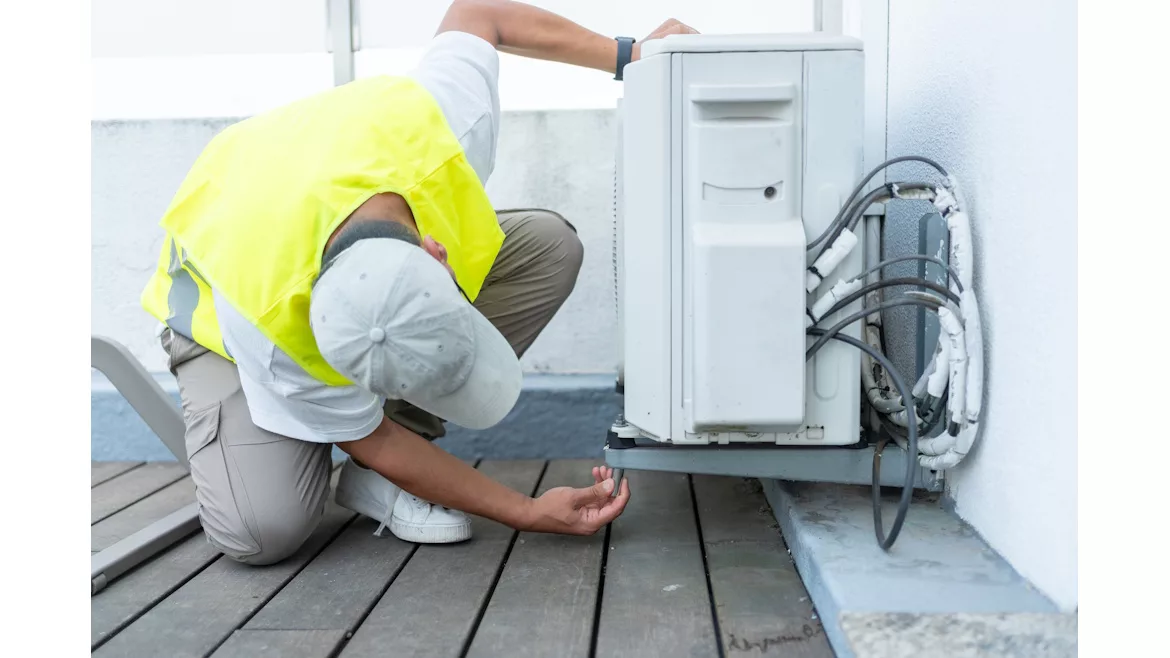
BEST PRACTICES: Document and add service information on the invoice: customers appreciate knowing what happened, and then there are records if questions come up later.
Part 1 and part 2 of this series covered defrost diagnostics and electrical testing. You've checked voltage, tested resistance, and listened for clicks on a heat pump’s reversing valve. If the valve still isn't working properly, it’s time to examine the mechanical side and check for internal leaks.
Mechanical failures look different than electrical problems. The coil works fine, but the slider won't move, or the refrigerant bypasses the valve seals and reduces capacity. These issues need different tests.
Mechanical Assessment
Grab a strong earth magnet from your truck. Place it on the valve body near the solenoid. Move the magnet around slowly while the system runs. You're trying to feel if the slider moves freely inside. A healthy slider shifts smoothly when you move the magnet. A stuck slider fights the magnet or doesn't move at all and means the valve should be replaced.
Sometimes you can free a stuck slider with a magnet. Work the magnet back and forth a few times. Cycle the solenoid on and off and listen for the click. If the slider breaks free, great. Run a full heating and cooling cycle to ensure it continues to function properly. If the slider stays stuck after several attempts, replacement is the only option. Don't waste time trying to fix a valve that won't cooperate.
Temperature Testing
Pull out your digital thermometer. Run the system in cooling mode for 10 minutes. Take temperature readings at all four ports on the valve body. Write down each number. Switch to heating mode and wait another 10 minutes. Take the same readings again.
Compare your temperatures to the expected patterns:
Port |
Cooling Mode |
Heating Mode |
Discharge (always connected to the compressor) |
Hot |
Hot |
Suction (always connected to the compressor) |
Cold |
Cold |
Indoor coil |
Cold |
Hot |
Outdoor coil |
Hot |
Cold |
Ports that don't match this pattern indicate potential problems. The indoor coil port should flip from cold to hot when you switch modes. The outdoor coil port should flip from hot to cold. Discharge and suction stay constant. Incorrect temperatures indicate a stuck slider or internal leak.
Looking for quick answers on air conditioning, heating and refrigeration topics? Try Ask ACHR NEWS, our new smart AI search tool. Ask ACHR NEWS
Internal Leak Detection
Here's the key test for internal leaks: Take your digital thermometer and measure the temperature difference between the discharge port and the suction port. If there’s more than a 2° difference, there’s an internal leak. The valve is bypassing refrigerant from the high side to the low side. That kills capacity in both heating and cooling.
Internal leaks create specific symptoms you'll recognize:
- Compressor overheating — hot refrigerant mixing with cool suction gas raises compressor temperature
- Lower head pressure — refrigerant leaking from the high side reduces discharge pressure below normal
- Higher suction pressure — leaked refrigerant raises low-side pressure above where it should be
- Reduced capacity in both modes — the system can't maintain the temperature setpoint in heating or cooling
Pressure Requirements
Hook up your gauges and check system pressures. Pilot-operated reversing valves need at least 75 PSI pressure differential between the high side and the low side. Run the system in heating mode and record both pressures. Calculate the difference and repeat in cooling mode. Less than 75 PSI differential means the valve won't shift properly. Low refrigerant charge or a weak compressor causes this problem more often than the valve itself.
Pressure problems and internal leaks sometimes look the same. A low differential could mean a leaking valve or just a low charge. That's why you need the temperature test. A valve with good temperature patterns but low differential needs refrigerant. A valve with bad temperature patterns and low differential is leaking internally.
Best Practices to Reduce Callbacks
Documentation saves you from return trips. Write down why the valve failed. Contamination in the system? Bad brazing from the factory? Physical damage during installation? Internal leak from normal wear? Put this information on the invoice. Customers appreciate knowing what happened, and you have records if questions come up later. If failure may be due to contaminants in the system, include a written warning that failure may recur very soon.
Replacement Procedure
Proper replacement takes time but prevents callbacks. Recover all refrigerant from the system first. Cut out the old valve and clean the pipe ends. Braze the new valve in place using nitrogen purge. The nitrogen prevents oxidation inside the pipes during brazing. Skip the nitrogen, and you'll have scale buildup that damages the new valve. Heat protection during brazing is also necessary. Pull a deep vacuum on the system until you get a reading of at least 500 microns. Perform a proper decay test and check for leaks at all joints. Charge with virgin refrigerant to the manufacturer's specification.
Never reuse old refrigerant after a valve replacement. Contamination from the failed valve circulates through the system. That contamination attacks the new valve and causes premature failure. The few dollars you save on refrigerant costs may result in a warranty callback.
Field Reference Tools
Keep a laminated diagnostic chart in your truck. List the common failure modes and the tests that identify them:
- No mode change — check coil voltage and resistance, listen for clicks
- Delayed mode change — test slider movement with magnet, verify pressure differential
- Poor heating capacity — measure port temperatures, calculate temperature differential
- Poor cooling capacity — check for internal leak, verify refrigerant charge
- Intermittent operation — inspect wiring connections, test pressure switches
Putting It All Together
We’ve covered defrost troubleshooting, electrical testing, and mechanical diagnostics across this 3-part series. These skills address most heat pump failures you're likely to encounter in the field. Accurate diagnosis on the first call separates professionals from parts changers. Take the time to test properly, and you'll build a reputation for getting it right.
ACCA helps your team master the fundamentals of heat pump systems and more through our live virtual, on-demand, and in-person trainings at acca.org. Register your team to start reducing callbacks and increasing customer confidence today.
Looking for a reprint of this article?
From high-res PDFs to custom plaques, order your copy today!