Hannah Belloli is editor-in-chief of Plumbing & Mechanical and Supply House Times. She brings six years of experience as a trade journalist with BNP Media, including four years as an editor at The ACHR NEWS and two years with Walls & Ceilings. Hannah holds a bachelor’s degree in communications from Wayne State University, where she also earned minors in English, journalism, and creative writing. As the daughter of a carpenter, she has long held an appreciation for the skilled trades and the professionals who drive the industry forward.
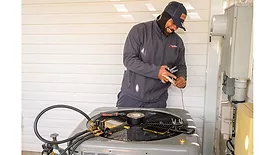
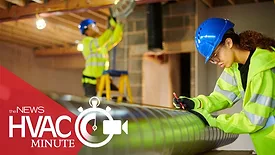
What separates a good HVAC apprenticeship program from a great one is more than just textbooks and a curriculum — it’s about mindset, mentorship, and modern training methods that keep pace with an ever-evolving industry.
According to the lawsuit complaint, Brian Mierendorf, 37, was asked to service the refrigeration lines within a Kroger in Michigan. The lawsuit stated that during maintenance, a refrigeration line began spraying liquid refrigerant into the store.
A popular tax credit that helps homeowners afford energy-efficient HVAC upgrades is on the line. As Congress debates the “Big, Beautiful Bill,” contractors and distributors are speaking out about what losing Section 25C could mean for their businesses — and the industry's future.
The HVACR industry is in the thick of a major refrigerant transition — and R-454B is suddenly in short supply. Why is one new refrigerant hard to find while another isn’t? What can contractors do when demand is surging, supply is tight, and customers are sweltering? Here, experts break down the manufacturing missteps, shifting pressures, and real-world solutions.
On this episode, Nathaniel “Than” Hancock, chief operating officer at Podium, and Keith Massey, strategic partner manager, Podium, join us to explore how AI is transforming customer communication in the HVAC industry.
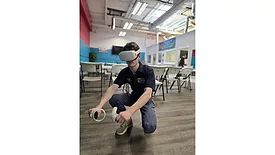
A mid-sized HVAC company in Virginia used VR to turn training into a competitive edge — and their approach might be the future of skilled trades education.
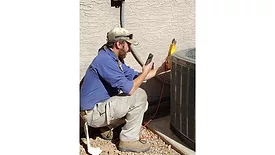
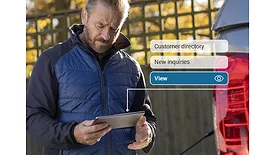
With real-time diagnostics, predictive maintenance, and streamlined workflows, these innovations are helping technicians solve problems faster, reduce emergency calls, and focus on what they do best: skilled, hands-on service.