The refrigerant recovery and reclamation sector is striving to keep up with the changes taking place in the world of refrigerants, which means it is constantly creating new products to seamlessly adapt to the latest batch of regulations and refrigerant phaseouts.
Some contractors have used leak-stop agents successfully for years and consider them practical and cost-effective ways to seal small, hard-to-find leaks in systems. Other contractors feel strongly that only two things belong in a system: refrigerant and oil.
What long-term implications will this have on the refrigerant-recovery industry, which has been built on recovering chlorofluorocarbons (CFCs), hydrochlorofluorocarbons (HCFCs), and hydrofluorocarbons (HFCs) — refrigerants that are increasingly being phased out? The answer: Change is on the horizon, but demise is not imminent.
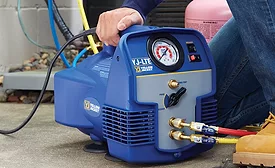
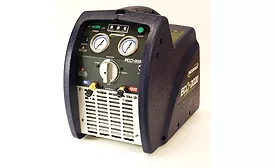
Contractors have a wide range of choices when it comes to properly equipping their technicians to perform safe, efficient refrigerant recovery. Here’s a look at some of the latest equipment and services.
Change of status sought on some HCs, 1234yf in specific end uses
April 4, 2016
The U.S. Environmental Protection Agency (EPA) on March 29 proposed to expand the list of acceptable substitutes and prohibit the use of certain chemicals in the United States that significantly contribute to climate change where safer, more climate-friendly alternatives exist.
Unit is designed to be accurate, portable, and easy to use
April 4, 2016
Fieldpiece Instruments has introduced the SRS1 refrigerant scale with weight alarm. The scale delivers accurate measurements for residential or light commercial facilities, measuring refrigerant cylinders up to 110 lbs., and the weight alarm is designed to be easy to use.
My Point of View column in last month’s FROSTlines newsletter (Refrigerant Anti-Dumping Order: Think of It as the Price of Quality) generated some spirited feedback.
Also proposes to exempt propane from venting prohibition
March 31, 2016
The U.S. Environmental Protection Agency’s (EPA’s) Significant New Alternatives Policy (SNAP) program has proposed to list as acceptable, subject to restrictions, the use of propane in certain commercial refrigeration applications.
As manufacturers research the viability of low-GWP and other natural refrigerants, they face the concurrent challenges of ensuring compressors are efficient, safe, and reliable.
Through its E360 Forums, Emerson Climate Technologies Inc. offers all links of the HVAC supply chain an opportunity to discuss the future of the commercial refrigeration industry. The latest forum was held Feb. 18 in Atlanta.
 RSS
RSS