Manufacturers showcase new products at 2016 AHR Expo
February 22, 2016
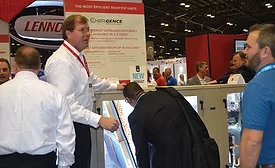
Nearly 61,000 HVAC industry representatives enjoyed sun and reasonable temperatures as the 2016 AHR Expo rolled into Orlando, Florida. Preliminary numbers show that more than 18,254 exhibitor personnel welcomed 42,672 visitors.
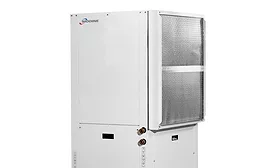
The geothermal industry is acutely aware that government-issued commercial and residential tax credits are set to expire at the end of 2016. Currently, geothermal heat pumps in commercial applications are eligible for a 10 percent income tax credit, and residential applications may receive up to a 30 percent incentive.
Key drivers include rising population, revival in the housing markets, increases in income levels in emerging markets
February 22, 2016
The global HVAC market is forecast to generate over $68.93 billion in value, at an estimated compound annual growth rate (CAGR) of 4.34 percent, from 2016 to 2022, according to a new report available from Research and Markets.
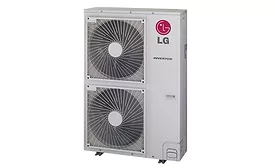
A report from Navigant Research reinforces this assessment, stating that annual revenue from ductless systems will grow to more than $9 billion by 2020, up from $3.9 billion in 2013.
When it comes to figuring out what the market demands in a boiler, it usually comes down to the highest efficiencies possible along with advances in control technology. Indeed, efficiency and advanced control technologies were on display for most of the boilers introduced at the AHR Expo.
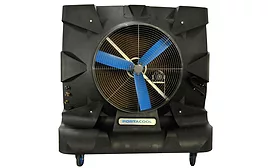
As technology improves, portable equipment manufacturers will continue to work to meet the growing needs of their customers, from those needing small-scale residential solutions all the way up to data centers and factories in need of industrial-grade solutions.
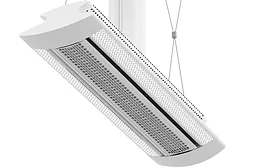
Numerous types of radiant products were on display at the AHR Expo, including heating, cooling, and snow melt systems. And, exhibiting manufacturers were all focused on touting the energy efficiency, sustainability, and safety benefits of their products.
Reducing energy consumption is a goal of commercial building owners and managers, and the way to do that is to take an overall systems approach when designing HVAC systems.
More than half of U.S. commercial building space is cooled by packaged HVAC equipment, according to the U.S. Department of Energy (DOE). Additionally, existing rooftop units consume more than 1.3 percent of the country’s annual energy usage. It’s no surprise the biggest trend driving the rooftop market is efficiency.