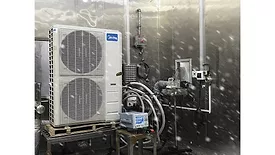
Despite tariffs, shifting regulations, and a cooling residential market, leading OEMs say 2026 will bring modest growth driven by commercial demand, electrification, and higher-efficiency technologies.
Looking at the numbers, it is obvious that heat pump technology in the residential HVAC market continues to surge. Heat pump shipments surpassed gas furnaces in 2022 and have not looked back.
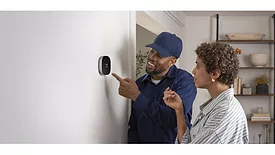
For HVACR contractors, smart thermostats that use AI-enabled controls are changing installation practices, customer expectations, and long-term service opportunities.
Drawing on the experience of HVAC industry experts and top service providers, the information in this eBook will prepare you for the era of electrification, heat pumps, and the advancement of AI, as well as help you navigate HVAC contracting in the post-R-410A era.
December will be another month of increasing cost pressures. Most changes fall in the 2-8% range, though some brands issued “various” adjustments across product groups. Activity was steady throughout December, with no price reductions reported.
Most homeowners trust plug-in detectors to keep them safe from carbon monoxide — not realizing those alarms often won’t sound until CO has been circulating for hours. With heating equipment responsible for many CO leaks and testing inconsistencies across the field, HVAC contractors are uniquely positioned to educate customers, reduce liability, and offer monitoring solutions that shut down equipment before CO becomes dangerous.
Homeowners are staring at bigger electricity bills and asking hard questions about heat pumps. Here’s how to explain why higher electric rates don’t automatically mean higher total heating costs.
 RSS
RSS
.webp?height=168&t=1766543212&width=275 "TRANEC2")