Smart Thermostats, Smarter Installs: Commissioning Steps That Cut Callbacks
Ecobee and Del-Air share commissioning steps that keep comfort complaints and wiring mistakes from reaching the dispatcher
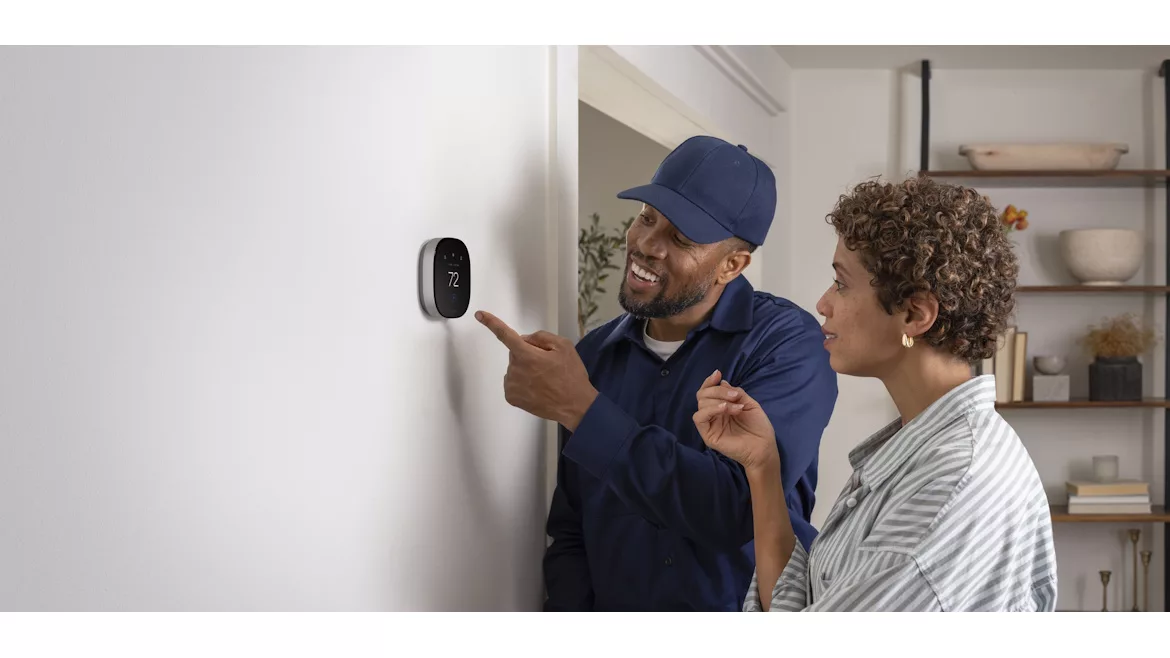
FROM GADGET TO GIVEN: Smart thermostats have shifted from niche upsell to assumed equipment, and contractors bundling them into proposals are seeing higher close rates and fewer callbacks.
What started out as a niche upsell for tech-savvy owners looking to optimize their equipment and cut utility bills has quietly become an assumed piece of essential equipment for any new HVAC system.
For manufacturers, smart thermostats have been on a long upward trajectory for more than a decade, driving new innovations and cementing their role as a fixture of the modern home. On the contractor side, they are tools that deepen control, improve comfort, and reduce callbacks, while also supporting higher commissions.
But as functionality and connectivity expand and thermostats take on the task of running more complex equipment, the importance of correct installation practices and thorough testing can’t be overstated. Fortunately, there are proven methods to commission and configure this vital piece of equipment so it consistently delivers comfort and peace of mind for homeowners.
No Longer A Novelty
Almost 16 years ago, ecobee launched its first Wi-Fi-connected smart thermostat. While that was cutting-edge technology at the time, Eric Della Ventura, technical sales engineer at ecobee, said smart thermostats are no longer living in that fringe area.
“Customers, builders, and pros increasingly see the benefits of smart thermostats to help residents live comfortably when they’re home, and save energy when they’re away,” he said, noting that while demand is strong, “there is still tremendous potential for further growth in the pro and builders space.”
While the features the technology delivered did a lot of the heavy lifting on the smart thermostats' role as an American fixture, another huge factor was the way contractors evolved alongside it — where it used to be an optional upgrade, it's now considered standard equipment.
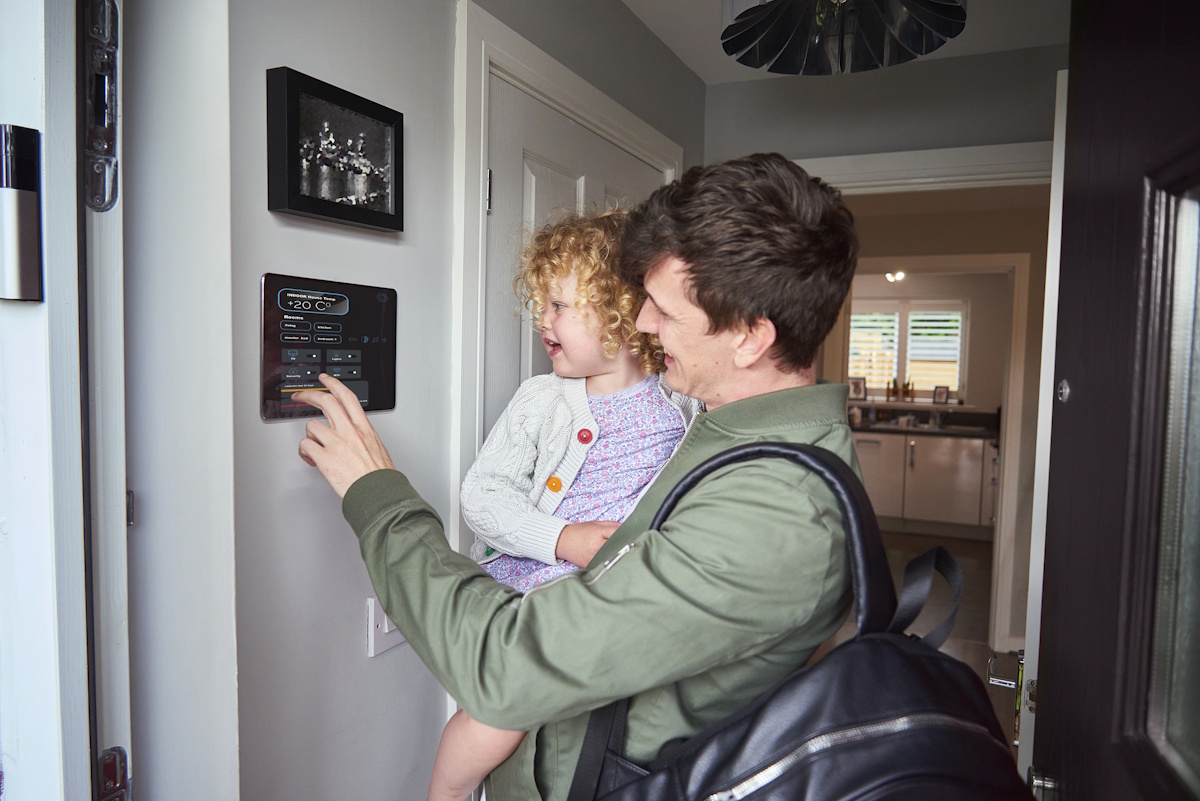
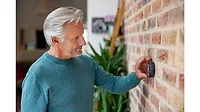
NEW PLAYBOOK: Standardized commissioning checklists can help technicians catch configuration errors before they turn into callbacks. (Courtesy of MartinPrescott / E+ / Getty Images)
“We position smart thermostats as a standard feature in our proposals rather than an add-on,” said Steve Ramthun, vice president of Del-Air’s Residential Services division. “Including it in the overall price moves the needle because clients respond better to built-in value than to separate upsells.”
Looking for quick answers on air conditioning, heating and refrigeration topics? Try Ask ACHR NEWS, our new smart AI search tool. Ask ACHR NEWS
That bundled approach makes the job feel more complete and tends to increase customer buy-in, rather than inviting a “Do I really need this?” objection at the kitchen table.
The Hub of the Home
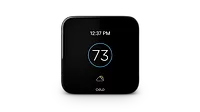
Today’s smart thermostat does a lot more than just cycling equipment, and can be paired with other smart controls like security systems, as Della Ventura pointed out. The Smart Thermostat Premium displays a live view from an ecobee Smart Doorbell Camera right on the thermostat screen and even monitors indoor air quality.
It’s now a small, capable wall-mounted hub that creates additional value for homeowners, who want things more integrated.
But with all of these added features comes a more nuanced install. If rushed, it can lead to configuration problems that result in callbacks, especially on modern heat pumps and dual-fuel systems.
Della Ventura outlined a simple, multi-step commissioning process that pros can adapt to their own checklists:
-
Start in Pro Setup
Pro Setup unlocks advanced configuration options that standard homeowner setup never touches: custom staging, heat pump behavior, accessory controls, and more. Using Pro Setup ensures the thermostat is actually matched to the system that was just installed, not running on generic defaults.
-
Link with the Pro PIN Service
Tying the thermostat to the contractor’s account via ecobee’s Pro PIN allows branded alerts and company details to appear right on the thermostat screen. That makes it easier for homeowners to know who to call, builds trust, and simplifies remote troubleshooting for the contractor.
-
Verify Wi-Fi — Especially on Heat Pumps
Commissioning should include confirming router location, signal strength, password, and whether the network is 2.4 GHz or 5 GHz. For heat pump systems in particular, Wi-Fi isn’t just a nice-to-have.
Outdoor temperature data pulled from the internet is used to manage balance points and efficiency. Connectivity also enables firmware updates and remote monitoring, both of which help reduce the likelihood of future service calls.
-
Use the ‘Test Equipment’ Tool
Ecobee’s Test Equipment feature lets the installer send specific commands to the equipment – compressor, fan, reversing valve, and so on — right from the thermostat. Running those tests after installation and after any configuration change helps catch wiring issues, mis-set O/B valves, or staging problems before the installer leaves.
“Think of it like a jumper at the furnace, but you are doing it on the thermostat,” Della Ventura said.
-
Set the Homeowner Up for Long-Term Success
Finally, commissioning isn’t complete until the homeowner is set up. That means helping them download the app, create an account, and enter the address, as well as pairing any wireless sensors in known hot or cold spots. Using remote sensors to average temperatures can keep the most important rooms closer to setpoint and reduce comfort-related callbacks.
More on Heat Pumps and Dual-Fuel Systems
More complex equipment put more pressure on technicians to nail the thermostat configuration, but Della Ventura offered more important checklist items to hit in order to cutdown on performance-related complaints:
- Confirming the reversing valve behavior — Making sure the reversing valve energizes in heating or cooling based on the equipment manufacturer’s requirements. This can be set in the thermostat’s installation settings.
- Setting a realistic compressor minimum outdoor temperature — Also known as the balance point or lockout temperature, this value should account for the home’s heat loss, the heat pump’s efficiency, and local climate. Setting it too low can lead to inefficient heating and customer dissatisfaction.
- Ensuring the homeowner’s account and address are correct — Ecobee uses the entered address to pull outdoor weather, which is essential for accurate lockout behavior.
- Choosing appropriate compressor-to-auxiliary thresholds — Within the Thresholds menu, the installer can adjust how long the compressor runs before auxiliary heat steps in, or what temperature difference triggers backup heat. Getting those thresholds right has a direct impact on comfort, runtime, and operating cost.
Della Ventura also cautioned against allowing the heat pump and gas furnace to run simultaneously on dual-fuel systems. For pressure and equipment reasons, the two should be staged so they do not operate together. That behavior is controlled in the Installation Settings menu.
Contractor Tips to Avoid Other Common Pitfalls
From a manufacturer point-of-view, most common problems tend to be configuration errors — reversing valve energized in the wrong mode, balance point set too low, heat pump and auxiliary heat running together — all of these issues can be corrected during installation or in menus, but only if they’re caught during testing.
With diagnostic tools and structure commissioning step, these can be easy fixes for contractors, but from the contractor’s perspective, the thermostat itself sometimes isn’t what’s causing the most headaches.
Ramthun said one of the biggest recurring issues is actually the homeowner.
“The most common installation issue we encounter is customer error, often related to misunderstanding how to operate the new thermostat,” he said.
To address that, Del-Air builds extra customer training time into the close-out. Spending a few minutes walking through key features and normal operation reduces confusion, increases confidence, and cuts down on “no-fault-found” service calls.
To further reduce callbacks and complaints, Ramthun said there’s been two settings that have consistently improved outcomes for his team.
The first is to avoid large temperature swings: Del-Air avoids programming temperature swings greater than 3°F. Larger swings tend to create periods of discomfort and can add unnecessary strain as the system works to recover.
The second is to use humidity control, when available: On systems that support specific humidity targets, the team will often enable overcooling by at least 1°F to help pull moisture out of the air. That modest adjustment can noticeably improve comfort in humid climates and prevent complaints that might otherwise be blamed on the equipment.
Smart thermostats can also support more advanced strategies like occupancy-based setbacks and geofencing, but those features only deliver value if they’re explained clearly and matched to the homeowner’s lifestyle.
Dealing with BYOT — Bring Your Own Thermostat
Another new reality that’s evolved alongside the smart thermostat’s popularity is that they’re now mainstream retail products. More homeowners are buying smart thermostats themselves, which can cause some issues for contractors. Ramthun said Del-Air is careful about how those BYOT jobs are handled.
When a customer supplies their own device, the company charges appropriately for installation and setup so that technician time and expertise are still covered. Just as important, the details are documented:
- The fact that the thermostat was customer-supplied
- Any limitations in warranty through the contractor
- Any known or potential compatibility concerns
Spelling this out upfront protects both sides. It makes clear what the contractor is — and is not — standing behind, while still allowing the customer to use the product they want. In some cases, those conversations also open the door to upselling an approved or preferred model that the contractor knows and supports.
Other Constraints
There’s one more tip Della Ventura offered contractors who are wrestling with a retrofit, specifically wiring.
If a heat pump changeout requires more conductors at the thermostat location and running new wire would mean opening finished walls, Della Ventura suggested a different approach — install the thermostat in the mechanical room, where wiring is accessible; rely on wireless smart sensors throughout the living space for temperature averaging and control; and disable the thermostat’s own temperature participation so it acts more like a control head than a room sensor.
With app-based controls now standard, homeowners should be able to adjust settings from their phone instead of trudging down to the basement, meaning they’re likely to stay content, even if the thermostat isn’t in a traditional location. This layout option also keeps the wiring simple, while still delivering the comfort and benefits promised by a smart system.
Looking for a reprint of this article?
From high-res PDFs to custom plaques, order your copy today!