ACHR News
search
Ask ACHR NEWS AI
cart
facebook twitter instagram linkedin youtube
  • Sign In
  • Subscribe
  • Sign Out
  • My Account
ACHR News
  • NEWS
    • Breaking News
    • New HVAC Products
    • Featured Products
    • Manufacturer Reports
    • HVAC Data
    • Legislation
    • ACHR NEWS Centennial
  • RESIDENTIAL
    • Air Conditioners
    • Furnaces
    • Residential Heat Pumps
    • Ductless
    • Residential IAQ
    • Testing, Monitoring, Tools
    • Components & Accessories
  • COMMERCIAL
    • Air Handlers
    • Rooftop Units
    • Chillers and Cooling Towers
    • Commercial Heat Pumps
    • Boilers and Hydronics
    • VRF/Ductless
    • Commercial IAQ
  • REFRIGERATION
    • Refrigerants
    • Refrigerant Regulations
    • Leak Management
  • CONTRACTOR PRO
    • Geothermal
    • Homeowner Study
    • VRF and VRV Ductless
    • Unitary Trends
  • EDUCATION
    • Training and Education
    • Business Management
    • Service and Maintenance
    • Continuing Education
    • Market Research >
      • HVAC Brand Awareness Report
      • VRV, VRF, VRVZ Report
      • Unitary Trends Report
      • Water Heat Professionals Report
    • Webinars
    • Sponsor Insights
    • eProducts Info
    • White Papers
  • EVENTS
    • HVAC Contractor Forum
    • Industry Events and Webinars
  • MEDIA
    • Videos
    • AHR Expo 2025 Videos
    • Podcasts >
      • ACHR News Podcast
      • HARDI Podcasts
      • AHR Expo Podcasts
      • ACCA Podcasts
    • Interactive Spotlights
    • Quizzes
    • eBooks
    • HVAC Talkback
  • HVAC GROUP
    • ACHR NEWS >
      • Current Issue
      • Digital Edition
      • Subscribe
    • Distribution Trends
    • SNIPS NEWS >
      • Join SNIPS NEWS
    • Engineered Systems News >
      • Join ES News
    • HVACR Directory
    • Contests
    • Newsletters
    • Contact
    • Advertise
    • My Account

The Water Factor in Ice Machines

March 1, 2001
Question: What’s the single most frequent cause of equipment failure in ice machines?

Answer: It’s the water.

In its purest form, water is H2O — two parts hydrogen and one part oxygen. Water is also known as the universal solvent in that it will dissolve bits of everything it comes into contact with. As water forms clouds in the atmosphere, it absorbs impurities in the air (dust, gases, smog, and pollution). And as the water condenses and falls to earth as rain, hail, sleet, or snow, the process of absorbing contaminants continues.

Once on the ground, water contacts and dissolves additional substances. For example, surface waters like lakes, rivers, and streams become murky from soils. Ground waters such as wells and aquifers dissolve and contain hard minerals. Other substances found in water include bacteria, fertilizers, and insecticides.

All water supplies have varying characteristics, and the source of the water will affect those characteristics. Ground waters generally contain higher levels of hard minerals, while surface waters from rivers and reservoirs tend to contain lower mineral concentrations.

Regardless of the source of the water, the potential for water-related problems exists. Those problems could include scale formation, objectionable tastes and odors, sediment, and slime growth. Knowing your water and taking preventive steps helps ensure trouble-free ice production for your customers.

Every ice machine is subject to water-related problems. A filtration system will optimize the equipment’s performance and help ensure the production of a healthy and safe product. Proper water treatment involving appropriately selected filtration helps eliminate water-related problems.


SCALE CONTROL

Scale is a common problem in ice machines. Even though the water is not heated, hard minerals tend to concentrate in unfrozen water and precipitate out on the freezing surfaces. This can restrict tubes, orifices, and valves.

Ice in a scaled machine tends to stick to the scale, jamming the machine and stopping production. Scaling conditions in a commercial ice machine result in higher energy costs, lower ice production, and costly breakdowns.

Looking for quick answers on air conditioning, heating and refrigeration topics? Try Ask ACHR NEWS, our new smart AI search tool. Ask ACHR NEWS →

The best way to solve this problem is to treat the water with specialized, slowly soluble, food-grade polyphosphates (such as 6R Micromet). Specialized polyphosphates keep scale-forming minerals in solution so that they can be removed via the dump or bleed cycle, thus preventing scale formation.


TASTE, ODOR CONTROL

The taste and odor of water has a major impact on the quality — and ultimately on the quantity — of ice produced. The taste and odor of ice can be affected by a variety of factors, the most common of which is chlorine.

Municipalities routinely chlorinate water supplies to protect drinking water from waterborne algae and bacteria. Chlorine is effective at killing harmful bacteria, but it is frequently the cause of undesired tastes and odors.

Other sources of taste and odor include earthy, woody, or fishy smells, gasoline or hydrocarbons, synthetic organic chemicals (including pesticides and herbicides), and volatile organic compounds like hydrogen sulfide (“rotten egg” odor).

The most common and effective treatment to prevent taste and odor problems in ice production is the use of activated carbons. These can include powdered, granular, and carbon block technologies.

Activated carbon media have extensive surface areas and remove tastes and odors from water through the process of absorption, in which the objectionable matter adheres to the surfaces of the activated carbon. All activated carbons have a surface with a texture much like a sponge. The carbon works by absorbing the undesired chemicals in the water.

Studies indicate that all of the forms of activated carbons reduce most or all of the chlorine, but vary in their ability to reduce various organic compounds.

Sediment: Sediment removal is simply the filtration of tiny suspended particles that are not dissolved in the water. These particles create poor taste, clog pumps, and enhance lime scale buildup.

These can be effectively re-moved with filtration. Frequently referred to as “prefiltration,” sediment filters remove particles as small as 0.5 micron from the water supply.

Slime growth: Frequently ice machines are troubled by slime and bacteria growth within the machine and the ice. Sources of the bacteria include the water, the air, and the user. It is imperative that the ice — an edible product — be protected against bacteria contamination.

Proper treatment depends on the source of the bacteria. Treatment options range from chemical sanitizers to sub-micron filtration to ultraviolet lights to ozone generators. At a minimum, periodic and scheduled sanitation should be done.

Corrective action: Filtration systems include in-line disposable filters (like the Micro-Plus Series from Nu-Calgon) and cartridge-in-housing filters (like the NP Series).

A cartridge may contain only polyphosphates for scale control, carbon for taste and odor control, filtration for sediment removal, a combination of treatment, or all of the above.


CLEANING UP

Regardless of the type of filtration used, the equipment should be cleaned prior to treatment or filtration.

Use a commercial ice machine cleaner or nickel-safe ice machine cleaner to remove existing scale deposits. Then sanitize the machine with an EPA-registered sanitizer. A clean, sanitized machine gets optimum results from filtration systems.

Leach is product manager at Nu-Calgon, St. Louis, MO. For more information, call 800-554-5499 or visit www.nucalgon.com (website).

Publication date: 03/05/2001

Share This Story

Looking for a reprint of this article?
From high-res PDFs to custom plaques, order your copy today!


Recommended Content

JOIN TODAY
To unlock your recommendations.

Already have an account? Sign In

  • HVAC-enrollment

    The Trades Are Back: HVACR Programs See Nearly 30% Enrollment Spike

    A new wave of future technicians is entering the pipeline.  
    Training and Education
    By: Matt Jachman
  • 2025 Top 40 Under 40

    2025 Top 40 Under 40 HVACR Professionals List

    The 11th annual Top 40 Under 40 list highlights those...
    HVAC Commercial Market
    By: Hannah Belloli-Oster
  • LG Ductless Mini-Split Systems

    The 9 Types of Heat Pumps

    As the U.S. moves toward electrification, heat pumps are...
    Ground Source Heat Pumps
    By: Joanna R. Turpin
Subscription Center
  • Create an Account
  • Start a Subscription
  • Manage My Account
  • Sign Up for Newsletters
  • Visit Customer Service
  • Update Preferences

More Videos

Sponsored Content

Sponsored Content is a special paid section where industry companies provide high quality, objective, non-commercial content around topics of interest to The News audience. All Sponsored Content is supplied by the advertising company and any opinions expressed in this article are those of the author and not necessarily reflect the views of The News or its parent company, BNP Media. Interested in participating in our Sponsored Content section? Contact your local rep!

close
  • Piggy Bank
    Sponsored byWatercress Financial

    Energy Prices, Inflation, and HVAC: What Today’s Homeowners Care About

  • Refrigerated Food
    Sponsored bySolstice Advanced Materials

    R-455A Refrigeration: A Cold Storage Solution for the Future

  • Airex Rooftop Units
    Sponsored byAirex Manufacturing Inc

    Consolidating Roof Penetrations: A Growing Trend in Multifamily HVAC Design

Popular Stories

Refrigerants-and-gauge.jpg

HVAC Industry Warns of Counterfeit Refrigerants Entering U.S. Supply Chain

U.S. Supreme Court building

95% Furnace Efficiency Rule to Get New Hearing

Data_Center_facility.jpg

HVAC Manufacturers Respond to Growing Data Center Backlash

Midea-training.jpg

HVAC Workforce Crisis Expands Beyond Technicians to Instructor Shortages

HVAC Minute retail refrigeration system

EPA Final Rule’s Impact on R-410A Deadlines

View The ACHR NEWS
Centennial Anniversary Timeline

The ACHR News Timeline Chart
Submit a Letter
Submit a letter to our editors.

Events

November 6, 2025

Next-Gen Data Center Cooling: HVAC Innovation and Real-World Solutions

On Demand As AI workloads and high-density computing push traditional cooling methods to their limits, the data center industry is accelerating the adoption of next-generation HVAC technologies.

June 23, 2026

HVAC Duct Sealing Mastics: Why Selection Matters

In this webinar we will detail what HVAC material buyers and technicians need to know when selecting duct mastics, including matching mastic to substrate, alternatives to liquid mastic, and where UL 181 Listings fit into real world installations.

View All Submit An Event

Poll

Summer Staff

Are you fully staffed for the summer season?
View Results Poll Archive

Products

BNI Mechanical/Electrical Square Foot Costbook, 2026 Edition

BNI Mechanical/Electrical Square Foot Costbook, 2026 Edition

See More Products
HVAC Duct Sealing Mastics: Why Selection Matters - Free Webinar - 6/23/2026

Related Articles

  • The Sanitation Factor In Ice Machines

    See More
  • Follett Corp.: Air- and Water-Cooled Condensing Ice Machines

    See More
  • Aug. 4, 2011: Follett Ice Machines and Ice and Water Dispensers Qualify for CEE Tier 2 Efficiency Designation

    See More

Related Products

See More Products
  • whpm.png

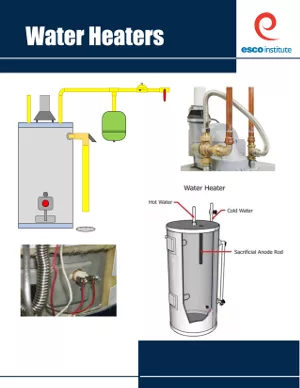
    Water Heaters

  • 9781482255676.jpg

    Testing and Balancing HVAC Air and Water Systems, Fifth Edition

See More Products
×

Sign Up. Stay Informed.

The #1 trusted source for the HVACR industry since 1926

SUBSCRIBE
  • RESOURCES
    • Advertise
    • Contact Us
    • Advisory Board
    • Classifieds
    • Submit a Letter
    • Directories
    • Store
  • ACCOUNT CENTER
    • Create an Account
    • Start a Subscription
    • Manage My Account
    • Sign Up for Newsletters
    • Visit Customer Service
    • Update Preferences
  • SERVICES
    • Marketing Services
    • Reprints
    • Market Research
    • List Rental
    • Survey/Respondent Access
  • STAY CONNECTED
    • LinkedIn
    • Facebook
    • Instagram
    • YouTube
    • X (Twitter)
  • PRIVACY
    • PRIVACY POLICY
    • TERMS & CONDITIONS
    • DO NOT SELL MY PERSONAL INFORMATION
    • PRIVACY REQUEST
    • ACCESSIBILITY

Copyright ©2026. All Rights Reserved BNP Media, Inc. and BNP Media II, LLC.

Design, CMS, Hosting & Web Development :: ePublishing