5 Reasons Why High HVAC Equipment Prices Are Here to Stay
A perfect storm of regulatory changes and market pressures will keep prices elevated
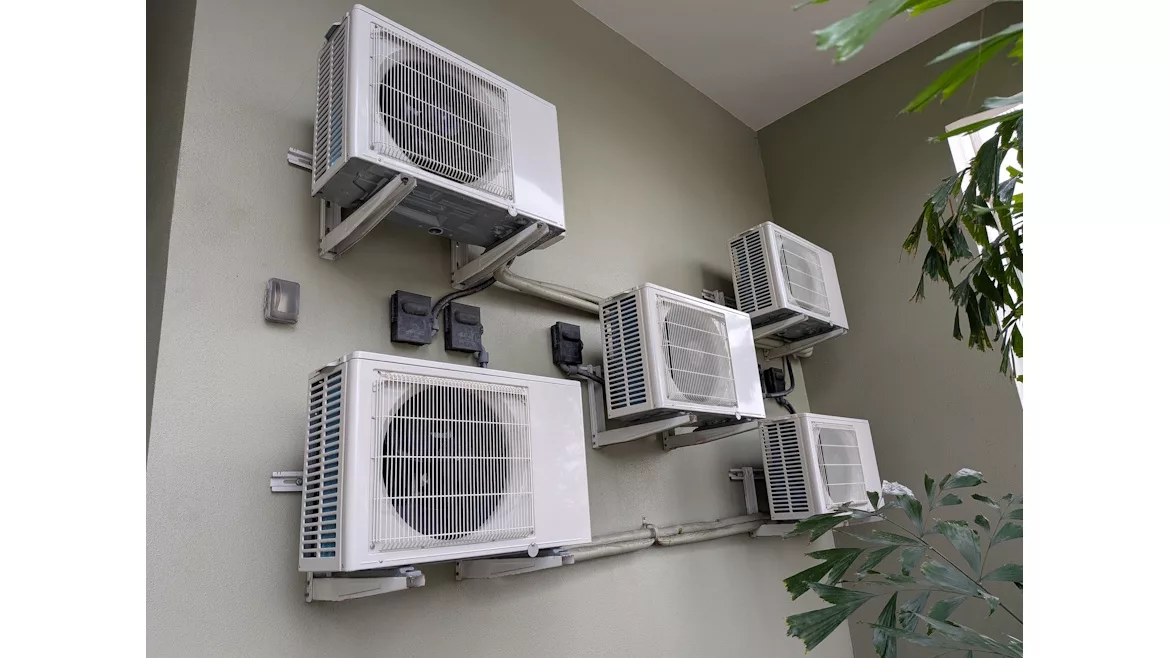
HIGHER COSTS: A perfect storm of regulatory changes, new technology, and market pressures has permanently raised the cost of HVAC equipment.
Contractors don’t need a spreadsheet to know that residential HVAC equipment costs much more than it did just a few years ago. They see it in every quote, every customer conversation, and every repair-versus-replace decision. What’s less obvious is why those costs have risen and whether they are likely to fall.
The answer is ‘probably not,’ as industry experts point to a perfect storm of regulatory changes, new technology, and market pressures that have permanently raised the cost of equipment.
As Stephen Yurek, president and CEO of AHRI, noted at an AHR Expo seminar, “There's been a lot of change in this industry over the last five to 10 years. We've had efficiency changes, which required going from SEER to SEER2 … basically, all the products disappeared on one day and were replaced by something else. Then we had the refrigerant transition two years later. That type of change caused a lot of angst and concern.”
Those rapid transitions — and the higher costs that accompanied them — are now rippling beyond manufacturers and distributors to customers. At the same seminar, HARDI CEO Talbot Gee said that while the industry has struggled with rising prices for products and systems, affordability is now top of mind for both residential and commercial end users.
“It's harder to be aspirational when everything is ridiculously more expensive,” he said.
Customers appear to agree, as faced with higher upfront costs, many are choosing to repair rather than replace — or, when replacement is unavoidable, opting for lower-cost equipment. During Lennox’s recent earnings call, CEO Alok Maskara noted that minimum-SEER equipment now accounts for roughly 70% of the company’s sales. He also pointed out that the parts business outpaced equipment growth throughout much of 2025.
A new report from Housecall Pro supports that trend, showing repair revenue share increased from 21.6% in 2021 to 31.3% in 2025. According to the report, higher replacement costs are influencing how homeowners weigh repair versus replacement decisions — and often, the economic case for repair is stronger.
Looking for quick answers on air conditioning, heating and refrigeration topics? Try Ask ACHR NEWS, our new smart AI search tool. Ask ACHR NEWS
So, what’s behind these rising costs? To better understand the pricing pressures shaping these decisions, The ACHR NEWS asked Nick Arch, vice president and general manager of residential solutions at Carrier, to break down the key factors driving increases in residential HVAC equipment.
NEWS: What are the top five drivers behind higher HVAC equipment costs since 2020?
Arch: Since 2020, residential HVAC equipment pricing has increased due to a combination of regulatory, material, and structural changes affecting the entire industry. From our perspective, these five factors have had the greatest impact:
- Federal efficiency regulations and updated DOE testing procedures;
- The transition to lower-GWP refrigerants;
- Commodity and component cost increases;
- Increased equipment sophistication; and
- Labor and manufacturing wage inflation.
NEWS: Let’s examine these issues a little more closely. How have efficiency regulations affected equipment costs?
Arch: Federal efficiency regulations and new DOE testing procedures have fundamentally changed how equipment is designed and built. The transition to SEER2, HSPF2, and EER2 testing, along with higher minimum efficiency standards, required manufacturers to redesign products to perform under more realistic operating conditions. That meant larger heat exchangers, stronger motors, and more robust cabinets, raising the baseline cost of equipment across all tiers.
NEWS: What impact has the refrigerant transition had on pricing?
Arch: The refrigerant transition has been significant. Moving to lower-GWP refrigerants required new system designs, additional safety features, new testing and certification procedures, and major investments in manufacturing and training. During the transition, manufacturers also carried parallel products, which added complexity and cost.
NEWS: Talk about how material and component costs are still a factor.
Arch: Commodity and component inflation have played an important role. Copper, aluminum, steel, and electronic components all experienced sharp price increases following 2020. While some raw material pricing has moderated, today’s equipment often uses more material and more electronics than prior generations, meaning those costs are now structurally embedded.
NEWS: How has equipment technology contributed to higher prices?
Arch: Equipment sophistication has increased substantially. Variable-speed compressors, inverter-driven technology, advanced controls, and diagnostics are no longer limited to premium products; they are quickly becoming the baseline. Driving higher efficiency now requires more advanced controls, and the transition to A2L refrigerants mandates integrated electronic safety systems as a core design requirement. Together, these shifts deliver meaningful gains in comfort, efficiency, and reliability, but they also materially increase manufacturing complexity and cost.
NEWS: What role does labor play in equipment pricing?
Arch: Labor and manufacturing wage inflation has been a persistent factor. HVAC manufacturing is skilled, increasingly technical work, and continued U.S. manufacturing and workforce investment carries a higher cost structure. These investments reinforce product quality, supply reliability, and long‑term stability, but combined with workforce shortages and expanded compliance and quality requirements, they have contributed to higher production costs that are unlikely to reverse.
NEWS: What might contractors misunderstand about equipment pricing today?
Arch: One area where there is still misunderstanding is the assumption that manufacturers raised prices without corresponding cost increases. In reality, pricing reflects real cost inputs, not opportunistic increases or margin expansion. At the same time, Carrier continues to actively offset costs through productivity improvements across manufacturing and operations, approaching pricing decisions with restraint and transparency. While equipment may appear similar on the surface, today’s systems are fundamentally different in performance, safety, efficiency, and capability compared to those produced even five years ago.
NEWS: Are higher equipment prices here to stay?
Arch: Looking ahead, we anticipate equipment pricing to stabilize rather than meaningfully decline over the next three to five years. While supply chains may continue to normalize, most of the major cost drivers — regulatory requirements, efficiency expectations, technology content, and labor — are permanent. In that sense, higher prices represent a new baseline for the industry rather than a temporary spike.
Looking for a reprint of this article?
From high-res PDFs to custom plaques, order your copy today!