FROSTlines
A2Ls Advance Despite Regulatory Uncertainty
Low-GWP refrigerants continue to gain traction in HVACR applications
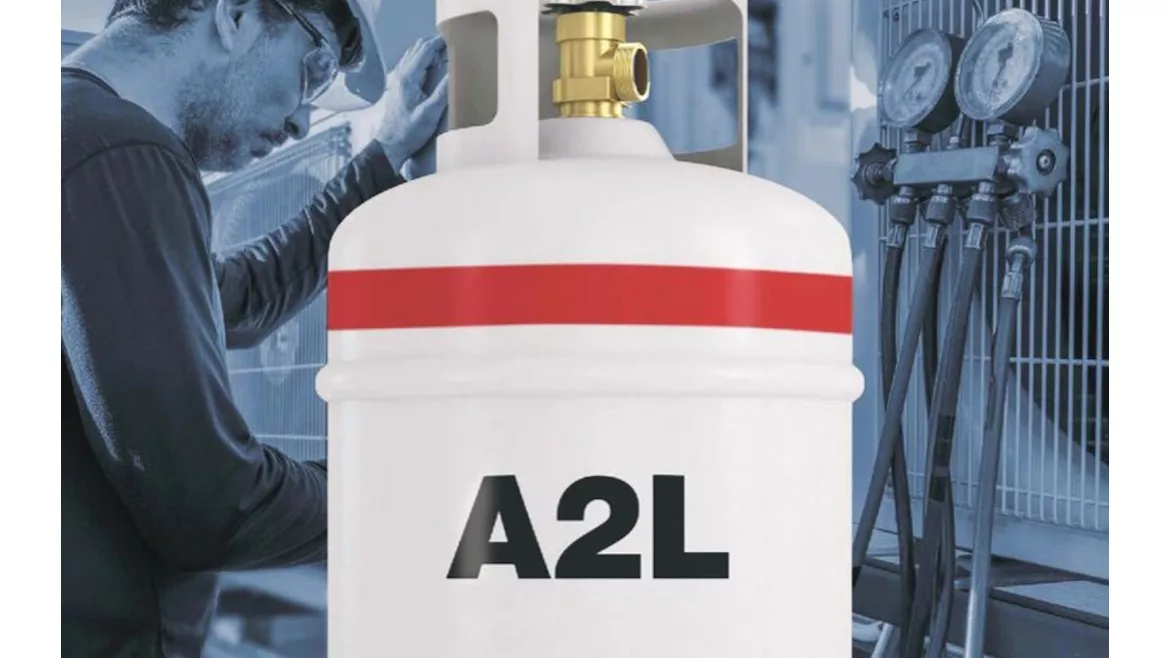
A2L OPTIONS: A2Ls are a class of mildly flammable refrigerants developed to play key roles across a variety of HVACR applications.
A2L refrigerants have arrived in the U.S. HVACR sectors. In 2025, A2Ls experienced widespread adoption in new light commercial and residential HVAC equipment. Despite uncertainty in the federal regulatory landscape, A2Ls are poised to expand in 2026 and beyond.
A2Ls are among the approved refrigerant options available to meet the GWP requirements mandated by the EPA’s Technology Transitions Rule (2023). Per the ruling, equipment types in various sectors have (or soon may be) impacted:
- 2025: 700 GWP limit on new residential HVAC; 150 GWP on new self-contained refrigeration units;
- 2026: 150–300 GWP limit on new commercial refrigeration condensing units; 150–300 GWP limit on new cold storage warehouse equipment; 150 GWP limit on new automatic commercial ice machines (smaller sizes); and
- 2027: 150–300 GWP limit on new supermarket rack systems; 700 GWP limit in new data center cooling equipment; 150 GWP limit on new food processing and dispensing equipment.
A recent proposal by the EPA could restructure the Technology Transitions Rule, extending compliance dates in refrigeration and other sectors while providing interim increases to GWP limits. As the industry awaits clarification, current deadlines remain in effect (see sidebar).
Despite potential regulatory delays, sustainability tailwinds and demand continue to drive A2L proliferation across HVACR sectors.
A2L Opportunities
Along with R-290 and CO2, A2Ls are among the lower-GWP refrigerants capable of meeting the EPA’s GWP targets. A2Ls are a class of mildly flammable refrigerants developed to play key roles across a variety of HVACR applications.
Multiple A2L refrigerants are available to help stakeholders comply with regulations, meet sustainability goals, and achieve equipment performance targets. A2L refrigerants offer many benefits, including:
- Lower GWP levels than legacy refrigerants;
- Higher charge limits than R-290 for increased applicability;
- Excellent performance characteristics (i.e., efficiency and capacity); and
- Similar system architectures to legacy refrigerants.
Building codes and safety standards have paved the way for the emergence of A2L-optimized equipment in residential HVAC and commercial refrigeration. As A2Ls become more commonplace in HVACR, let’s look back at lessons learned and look forward to what’s next.
Residential HVAC Transition
In 2025, new residential heat pumps and air conditioning systems were among the first to require A2L refrigerants. OEMs in the equipment supply chain were prepared to meet the demand for A2L-optimized equipment.
As the cooling season ramped up and consumers sought new HVAC equipment, these A2L-optimized systems proliferated. At the close of 2025’s cooling season, 91% of HVAC distributor sales involved A2L equipment. This data represented a dramatic uptick from 2024, in which there was relatively little A2L adoption in the residential sector.
Looking for quick answers on air conditioning, heating and refrigeration topics? Try Ask ACHR NEWS, our new smart AI search tool. Ask ACHR NEWS
Unfortunately, industry stakeholders underestimated demand for R-454B refrigerant storage cylinders early in the cooling season. This demand, combined with supply chain challenges impacting cylinders themselves, resulted in a temporary shortage. Reports suggest that these shortages have largely been alleviated, with supplies now significantly improved and most distributors reporting adequate availability of R-454B entering the new cooling season.
Overall, the shift to A2Ls in heat pumps and air conditioning systems in 2025 was mostly successful. Contractors became familiar with new installation and servicing procedures, and those with A2L-specific training and tools adapted quickly. In addition, minimal challenges were reported from authorities having jurisdiction (AHJs) regarding building code implementation.
A2Ls In Commercial Refrigeration
Following 2023’s Technology Transitions compliance mandate, new commercial refrigeration condensing units were required to be optimized for refrigerants with a GWP of less than 150 or 300 (depending on charge size).
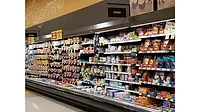
Unlike the residential HVAC sector, commercial refrigeration stakeholders have been driven by refrigerant mandates and retailer sustainability goals for many years. Retailers are already familiar with low-GWP technologies, such as centralized CO2 booster systems and self-contained, small-charge, R-290 units.
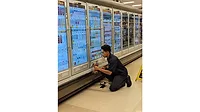
A2Ls are relative newcomers to this space and offer an array of options for small- and large-format retailer equipment portfolios. In self-contained refrigeration, A2L systems are available in larger charges than R-290 (e.g., up to 5 lbs.), enabling higher capacities for potentially three- to five-door display cases. Similar to R-290 units, these are factory-charged and don’t require field charging for startup.
Aside from meeting the 2026 compliance timeline for outdoor condensing units, A2Ls fill a logical niche in this equipment category, offering distributed flexibility and reliable low- and medium-temperature refrigeration options, while keeping system charges relatively small (e.g., 20–30 lbs.) and GWP levels low (i.e., below 300).
Distributed, mini-rack systems — and potentially even centralized systems — are also well-suited for A2Ls, offering architectures similar to those of legacy HFC systems. However, higher charge limits may increase safety mitigation requirements (e.g., leak detection, circulation fans) or the need for local AHJ approval.
Per usual, commercial refrigeration technicians will need to be trained to service these new A2L systems, following proper safety and service procedures. A2L-optimized tools and gauges will be necessities, though most procedures are considered standard best practices for HFC systems.
Ready To Go
Copeland has prepared its compression technologies, variable-frequency drives, and controls solutions for use with A2L refrigerants in specific HVACR applications, including:
- R-454B and R-32 for heat pumps and air conditioning systems; and
- R-454A, R-454C, and R-455A for commercial refrigeration.
Multiple A2L options support various capacities and performance characteristics optimized for specific commercial refrigeration applications. For example, R-454C offers low-GWP performance in condensing units and has similar performance characteristics to R-448A. As such, it helps meet the 150 GWP threshold, maintain capacity levels, and minimize impacts on system redesigns.
It’s critical to remember that A2Ls cannot be used as drop-in replacements in existing HFC systems; nor should equipment be charged with an A2L option other than the one specified by the manufacturer (i.e., do not charge an R-454B system with R-32). All new refrigeration equipment and systems must be designed and qualified to use A2Ls per applicable safety standards.
From integrated compression, controls, drives, leak detection and components to training and industry stewardship, Copeland is dedicated to supporting the ongoing refrigerant transition from HFCs to A2Ls, R-290 and CO2.
Technology Transitions Rule Uncertainty
The EPA’s recent proposal to reconsider and potentially revise the compliance requirements of its 2023 Technology Transitions Rule casts uncertainty about the timing of the refrigerant transition. A new final rule is expected this summer, which may temporarily raise GWP limits and/or extend compliance timelines across HVACR sectors.
Despite this possibility, many stakeholders throughout the equipment supply chain are committed to staying the course, having already taken significant steps to enable a successful refrigerant transition:
- OEMs producing regulatory-compliant systems;
- Contractors and technicians pursuing low-GWP refrigerant training; and
- End users leveraging lower-GWP equipment and prioritizing their sustainability goals.
The EPA received nearly 2,300 comments on its proposal, reflecting industry-wide interest on the future of this pivotal issue. Many key stakeholders stated that rolling back progress could have negative ramifications, including:
- Reintroducing previous-generation, higher-GWP equipment into the market;
- Disrupting long-term manufacturing planning and supply chain preparedness, leading to confusion and potentially higher costs from managing dual inventories; and
- Introducing the potential for HFC refrigerant shortages and price hikes as the global (and federal) HFC phasedown continues — raising concerns for servicing existing HFC equipment throughout its useful life, which could be 15–30 years. In the interim, the EPA announced a temporary de-prioritization of enforcement, particularly for installing R-410A equipment manufactured before January 1, 2025. This extended the sell-through date of new equipment optimized for legacy HFC refrigerants. From a state rulemaking perspective, states like California, New York, and Washington are still aggressively enforcing their own refrigerant laws, which are generally more stringent than the EPA’s.
The transition to lower-GWP refrigerants may temporarily slow, but as a long-term initiative driven by state, federal and global policies, it will continue. OEMs are still moving forward with the production of A2L and lower-GWP optimized equipment.
Looking for a reprint of this article?
From high-res PDFs to custom plaques, order your copy today!