ACHR News
search
Ask ACHR NEWS AI
cart
facebook twitter instagram linkedin youtube
  • Sign In
  • Subscribe
  • Sign Out
  • My Account
ACHR News
  • NEWS
    • Breaking News
    • New HVAC Products
    • Featured Products
    • Manufacturer Reports
    • HVAC Data
    • Legislation
    • ACHR NEWS Centennial
  • RESIDENTIAL
    • Air Conditioners
    • Furnaces
    • Residential Heat Pumps
    • Ductless
    • Residential IAQ
    • Testing, Monitoring, Tools
    • Components & Accessories
  • COMMERCIAL
    • Air Handlers
    • Rooftop Units
    • Chillers and Cooling Towers
    • Commercial Heat Pumps
    • Boilers and Hydronics
    • VRF/Ductless
    • Commercial IAQ
  • REFRIGERATION
    • Refrigerants
    • Refrigerant Regulations
    • Leak Management
  • CONTRACTOR PRO
    • Geothermal
    • Homeowner Study
    • VRF and VRV Ductless
    • Unitary Trends
  • EDUCATION
    • Training and Education
    • Business Management
    • Service and Maintenance
    • Continuing Education
    • Market Research >
      • HVAC Brand Awareness Report
      • VRV, VRF, VRVZ Report
      • Unitary Trends Report
      • Water Heat Professionals Report
    • Webinars
    • Sponsor Insights
    • eProducts Info
    • White Papers
  • EVENTS
    • HVAC Contractor Forum
    • Industry Events and Webinars
  • MEDIA
    • Videos
    • AHR Expo 2025 Videos
    • Podcasts >
      • ACHR News Podcast
      • HARDI Podcasts
      • AHR Expo Podcasts
      • ACCA Podcasts
    • Interactive Spotlights
    • Quizzes
    • eBooks
    • HVAC Talkback
  • HVAC GROUP
    • ACHR NEWS >
      • Current Issue
      • Digital Edition
      • Subscribe
    • Distribution Trends
    • SNIPS NEWS >
      • Join SNIPS NEWS
    • Engineered Systems News >
      • Join ES News
    • HVACR Directory
    • Contests
    • Newsletters
    • Contact
    • Advertise
    • My Account
NewsRefrigerationRefrigerants

FROSTlines

Distributed Refrigeration Gets a Natural Boost with CO₂

New compression technology paves the way for ultra-low-GWP refrigeration flexibility
By Andre Patenaude
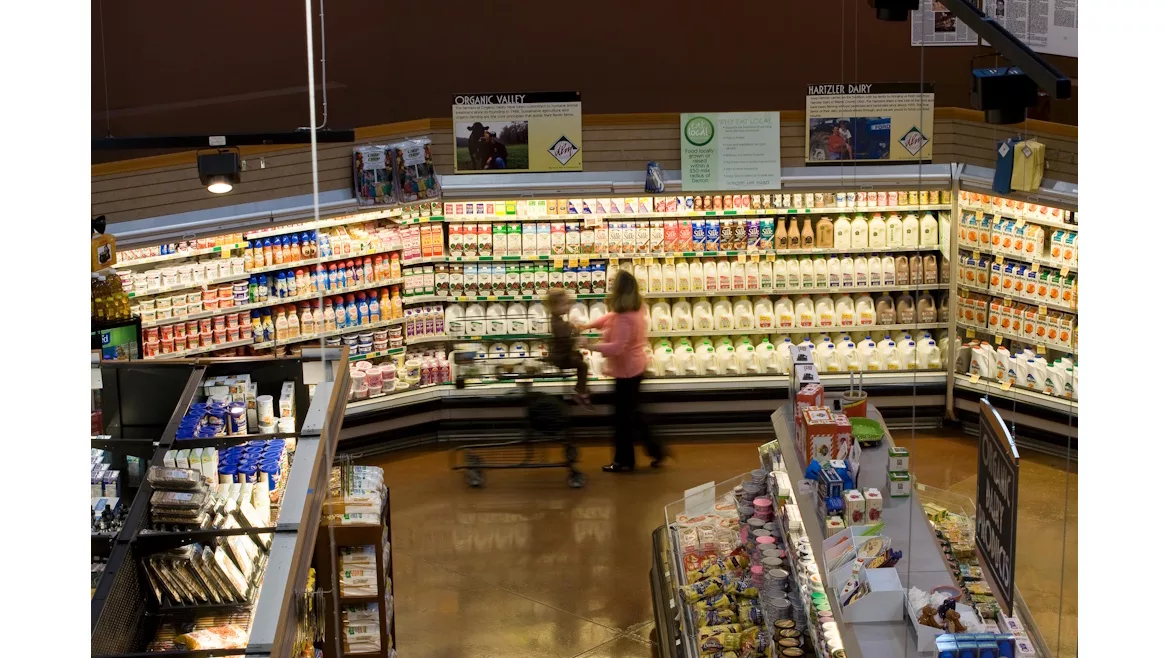
Copeland-Supermarket-Photo.jpg
Courtesy of Copeland

DISTRIBUTED BENEFITS: Food retailers are seeking the scalability and efficiency benefits of distributed refrigeration equipment that uses low-GWP refrigerants such as CO2.

February 18, 2026
✕
Image in modal.

Distributed architecture is not a new concept in the commercial refrigeration industry. Smaller and more flexible than centralized systems, they’ve been deployed in food retail outlets for decades, from small to large formats, such as convenience stores, supermarkets, and hypermarkets.  

Distributed systems have historically used refrigerants with high GWP, such as HCFCs and HFCs. With the refrigerant transition underway, industry stakeholders are applying eco-friendly alternatives to distributed system designs — including the sustainable natural refrigerant CO2 (R-744). 

Although CO2 refrigeration has more commonly been deployed in large, centralized booster systems, the case for CO2 distributed systems is getting stronger. Recent advancements in CO2 scroll compression technology have expanded the potential of R-744 in smaller, distributed refrigeration units. This innovation has helped enable commercial refrigeration equipment manufacturers to develop the next generation of optimized, efficient, and reliable CO2 distributed units in North America.  

For large- and small-format retailers seeking all the scalability and efficiency benefits of distributed refrigeration — while supporting sustainability targets and complying with refrigerant regulations — a new era of distributed CO2 refrigeration has arrived in North America. 


Distributed System Advantages 

Compared to traditional centralized direct-expansion systems — where large compressor racks supply low- and medium-temperature cooling throughout a store — distributed systems have often been specified for their flexibility, performance, and efficiency advantages.  

This involves deploying mini-rack systems in strategic locations — either on the sales floor, in a back room, or roof — closer to a row of display cases. For example, five to six smaller refrigeration systems may be located around a store instead of having two to three large racks in a machine room. For small-format operators, one or two distributed systems may be all that is needed.  

Today, this remains a popular option for many large retailers, regardless of refrigerant type. Even with legacy, high-GWP refrigerants, this distributed approach offers multiple benefits over centralized systems: 

Looking for quick answers on air conditioning, heating and refrigeration topics? Try Ask ACHR NEWS, our new smart AI search tool. Ask ACHR NEWS →

  • Smaller system size reduces refrigerant charge and piping 
  • Reduced piping/connections lower annual leak rates, and cut carbon emissions 
  • Suction lines can group fixtures with similar saturated suction temperatures, allowing them to operate at higher SSTs, which improves system efficiency 
  • Distributed refrigeration reduces downtime and improves redundancy, eliminating the risks of centralized, full-system failure and associated product loss 
  • Heat recovery and reclaim can be leveraged for HVAC system heating and dehumidification. 

The refrigerant transition is also driving retrofit and remodel decisions that may favor distributed refrigeration architectures. As operators evaluate end-of-life strategies for their existing centralized HFC systems, distributed systems present opportunities to phase out underperforming sections of their systems and replace them with lower-GWP options. 

All these advantages apply to CO2 distributed systems, with the added sustainability benefits that include: 

  • Low GWP of 1 
  • Non-flammable and non-toxic (i.e., A1 classification) 
  • Globally accepted and applied as a future-proof, next-gen refrigerant 
  • Higher potential for heat reclaim than HFC systems. 


Scalable Sustainability 

The barriers to developing CO2 distributed refrigeration units have been mostly technological. First, it’s a matter of scale: compressors used in large, centralized CO2 systems are simply oversized for use in distributed systems. 

Second, CO2 compression must be able to operate at the high pressures that occur, especially in a CO2 booster system’s transcritical mode, which happens any time ambient temperatures reach above 75 °F (assuming the system uses a dry gas cooler).  

The next generation of smaller-footprint CO2 transcritical-rated compression is now ready to be explored. Copeland has cleared technological hurdles with the launch of its transcritical CO2 scroll compressor platform, which can be applied in distributed CO2 booster system architectures. It can also be used in a single-compressor, medium-temperature system, such as a condensing unit.  

Copeland transcritical CO2 scroll compressors are available in fixed- and variable-speed configurations and feature dynamic vapor injection technologies. Variable speed enables precise capacity matching and efficiency, leveraging a brushless permanent magnet motor design and optimized drive pairing. Variable-speed compression technology is more efficient than induction motor/drives in low-load scenarios and can overspeed to match the demands of high-load conditions. 

A new era of distributed CO₂ refrigeration has arrived in North America, driven by the need for greater design flexibility and lower-impact refrigerants. Innovative transcritical CO₂ scroll compressors with DVI technology are helping make distributed systems simpler and more scalable, with all the sustainability benefits of the natural refrigerant CO2. 


DVI: A New Way to Economize CO2 Booster Operation

Copeland’s dynamic vapor injection process enhances system efficiency and performance, allowing most of the intermediate-pressure vapor (refrigerant gas) to be digested through the compression cycle in one of two ways, depending on the system design: 1.Economized vapor injection uses a heat exchanger to subcool refrigerant at the gas cooler’s outlet and digest the exiting vapor. 2.Flash tank vapor injection digests the excess flash tank vapor, similar to parallel compression. However, this dynamic feature allows the flash tank pressure to rise with ambient temperatures, enabling additional energy savings. Note: To use this option, the system’s flash tank and liquid line must be rated for higher pressures (60 to 90 bar). From a system design perspective, dynamic vapor injection eliminates the need for a parallel compression strategy to digest vapor, resulting in improved efficiencies, increased design simplicity, and lower applied costs — all of which align with the advantages of distributed systems. As such, Copeland CO2 scroll compression technology offers favorable total cost of ownership advantages that include: •Easier installation and maintenance •Fewer components (no additional parallel compressor and drive needed) •Simplified piping system •Smaller rack in size and weight.


KEYWORDS: CO2 refrigeration FROSTlines GWP (Global Warming Potential) refrigerants

Share This Story

Looking for a reprint of this article?
From high-res PDFs to custom plaques, order your copy today!


Andre emerson

Andre Patenaude, C.E.T. is the director of solutions strategy at Copeland. He is responsible for supporting system-related innovation and leveraging Copeland’s global cold chain to drive adoption of integrated solutions in North America. He has led marketing efforts pertaining to Copeland’s food retail and chiller markets, as well as managed Copeland’s global CO2 development. 

Recommended Content

JOIN TODAY
To unlock your recommendations.

Already have an account? Sign In

  • HVAC-enrollment

    The Trades Are Back: HVACR Programs See Nearly 30% Enrollment Spike

    A new wave of future technicians is entering the pipeline.  
    News
    By: Matt Jachman
  • 2025 Top 40 Under 40

    2025 Top 40 Under 40 HVACR Professionals List

    The 11th annual Top 40 Under 40 list highlights those...
    News
    By: Hannah Belloli-Oster
  • LG Ductless Mini-Split Systems

    The 9 Types of Heat Pumps

    As the U.S. moves toward electrification, heat pumps are...
    News
    By: Joanna R. Turpin
Subscription Center
  • Create an Account
  • Start a Subscription
  • Manage My Account
  • Sign Up for Newsletters
  • Visit Customer Service
  • Update Preferences

More Videos

Sponsored Content

Sponsored Content is a special paid section where industry companies provide high quality, objective, non-commercial content around topics of interest to The News audience. All Sponsored Content is supplied by the advertising company and any opinions expressed in this article are those of the author and not necessarily reflect the views of The News or its parent company, BNP Media. Interested in participating in our Sponsored Content section? Contact your local rep!

close
  • Piggy Bank
    Sponsored byWatercress Financial

    Energy Prices, Inflation, and HVAC: What Today’s Homeowners Care About

  • Refrigerated Food
    Sponsored bySolstice Advanced Materials

    R-455A Refrigeration: A Cold Storage Solution for the Future

  • Airex Rooftop Units
    Sponsored byAirex Manufacturing Inc

    Consolidating Roof Penetrations: A Growing Trend in Multifamily HVAC Design

Popular Stories

HVAC-Price-Increase-graphic

HVAC Price Increase List: July 2026

price-raising-practices.jpg

Rising Costs Force Contractors to Take a Harder Look at Pricing

DOE-sign.jpg

HVAC Groups Support DOE’s Rulemaking to Cut Energy Efficiency Mandates

scotus-decision.jpeg

SCOTUS Declines to Hear Refrigerant Case Seeking to Curb EPA Power

Tradeswomen on the job

Celebrating the Women Shaping HVACR’s Future

View The ACHR NEWS
Centennial Anniversary Timeline

The ACHR News Timeline Chart
Submit a Letter
Submit a letter to our editors.

Events

November 6, 2025

Next-Gen Data Center Cooling: HVAC Innovation and Real-World Solutions

On Demand As AI workloads and high-density computing push traditional cooling methods to their limits, the data center industry is accelerating the adoption of next-generation HVAC technologies.

July 22, 2026

Designing VRF Systems Using A2L Refrigerant

In this session, we will cover how to design VRF systems for the U.S. market using new A2L refrigerants. These systems provide an advanced zoning solution by using inverter technology to deliver precise heating and cooling control across multiple zones and spaces.

View All Submit An Event

Poll

Summer Staff

Are you fully staffed for the summer season?
View Results Poll Archive

Products

BNI Mechanical/Electrical Square Foot Costbook, 2026 Edition

BNI Mechanical/Electrical Square Foot Costbook, 2026 Edition

See More Products
Designing Systems Using A2L Refrigerant - Free Webinar - 7/22/2026

Related Articles

  • SMACNA

    Nuclear Power Gets a Boost with the Signing of the Advance Act

    See More
  • Guntner Gas Cooler

    Ice Rink Replaces R-22 Refrigeration System With CO₂

    See More
  • Harnessing the Sustainability of CO2

    Optimal Options for Prioritizing Sustainability with CO₂ Refrigeration Systems

    See More

Related Products

See More Products
  • The ACHR News - February 16, 2026

    ACHR NEWS February 16, 2026, Issue

  • Tech_CommRef_Guide_Small.jpg

    Technician’s Guide & Workbook for Quality Maintenance on Commercial Refrigeration Equipment

See More Products
×

Sign Up. Stay Informed.

The #1 trusted source for the HVACR industry since 1926

SUBSCRIBE
  • RESOURCES
    • Advertise
    • Contact Us
    • Advisory Board
    • Classifieds
    • Submit a Letter
    • Directories
    • Store
  • ACCOUNT CENTER
    • Create an Account
    • Start a Subscription
    • Manage My Account
    • Sign Up for Newsletters
    • Visit Customer Service
    • Update Preferences
  • SERVICES
    • Marketing Services
    • Reprints
    • Market Research
    • List Rental
    • Survey/Respondent Access
  • STAY CONNECTED
    • LinkedIn
    • Facebook
    • Instagram
    • YouTube
    • X (Twitter)
  • PRIVACY
    • PRIVACY POLICY
    • TERMS & CONDITIONS
    • DO NOT SELL MY PERSONAL INFORMATION
    • PRIVACY REQUEST
    • ACCESSIBILITY

Copyright ©2026. All Rights Reserved BNP Media, Inc. and BNP Media II, LLC.

Design, CMS, Hosting & Web Development :: ePublishing