Predictive Software and Smart Dispatch Help Contractors Do More With Less
Reduce truck rolls and always send the right tech to the job
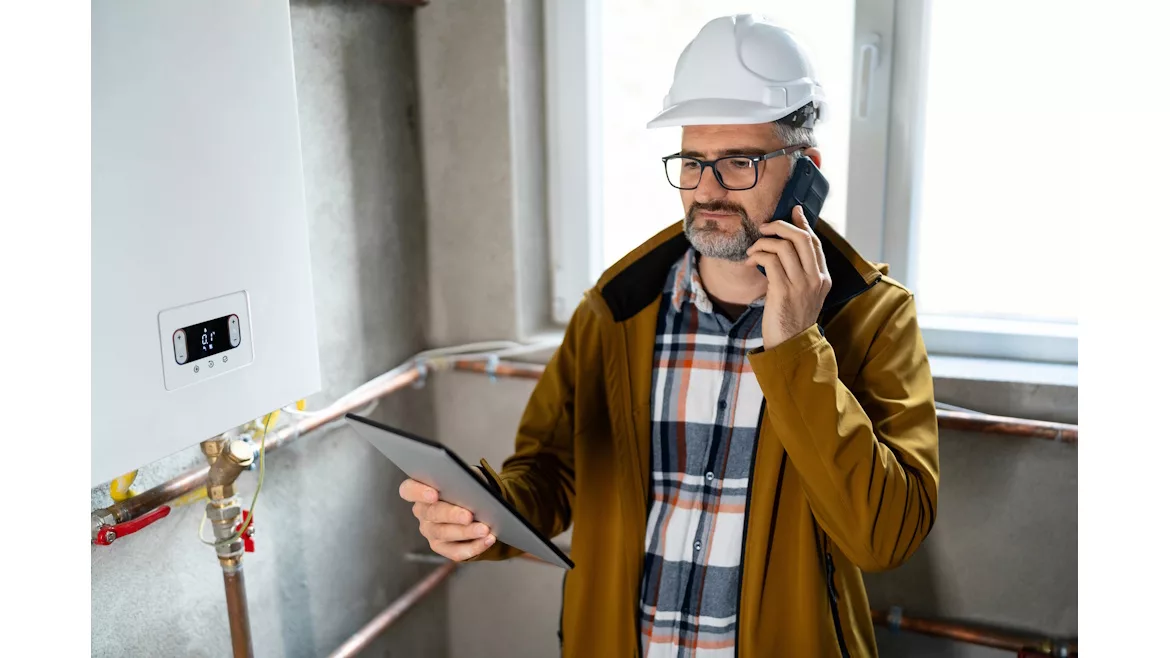
SHIFTING LANDSCAPE: The service model is changing, and contractors need to learn to change along with it.
The HVAC industry’s workforce shortage doesn’t look like it’s going away anytime soon and, on average, there are about 42,500 HVAC job openings each year. Refrigerant availability is getting better, but still not great. And each new generation of equipment demands a specialized knowledge that can’t always be found in-house.
These aren’t small hurdles, but more and more contractors are leveraging advanced software to help level the playing field. The integration of software is helping to cut costs, boost efficiency, and even strengthen customer relations.
For decades, HVAC work followed a simple formula — equipment fails, customer calls, and an available technician is dispatched to see what the problem is.
But what if that call could be anticipated? What if software could help to diagnose what the problem likely is, and assign a technician with matching skills?
As Marne Martin, president of IFS Service Management and CEO of WorkWave, put it, making maintenance more predictive and completing a job on the first visit allows contractors to cover more service calls over time using a limited workforce.
“Some efficiencies can be unlocked before technicians even get on the road,” Martin said. “With progress in artificial intelligence (AI) and machine learning (ML), maintenance becomes more predictive, and when repair is needed, the best technician is automatically assigned to a work order based on the nature of the call, experience and skillset, geographical location, and even the equipment and parts available on the truck — armed with the asset and equipment information needed.”
As a result, schedules are more efficient, truck rolls are down, and there's now more time in the day for high-value customer interactions and employee engagement.
Looking for quick answers on air conditioning, heating and refrigeration topics? Try Ask ACHR NEWS, our new smart AI search tool. Ask ACHR NEWS
Along with the latest technological advances, Martin said, there are examples of many service organizations using existing infrastructure to optimize where and how technicians spend their time, even where it would have seemed too challenging in the past. Associa, a community management organization with over 9,000 employees, leveraged its IFS Field Service Management (FSM) platform to increase the mobility of its service technicians. The change was simple, but highly impactful.
“Instead of requiring technicians to clock in and receive work orders at the office each morning, Associa evolved to a mobile-first model and sent orders directly to each technician,” Martin said. “This allowed workers to skip a daily visit to the office. The result? A full two hours of non-productive time eliminated daily for each and every technician. Drip routing is no longer an imposition, but an asset.”
Sounds nice, doesn’t it? Take a look at what platforms like ServiceTitan and Housecall Pro are doing to advance the next revolution of efficiency.
Dispatching with Data
Every contractor probably has a story of sending the wrong technician to the wrong job, resulting in callbacks and likely a damaged reputation. With smart dispatching, platforms can now track a technician’s skill set, certifications, and service history, helping them to automatically dole out assignments based on the best fit.
ServiceTitan’s Dispatch Pro software empowers businesses to efficiently manage technician schedules, optimize routes, and adapt in real-time to unexpected changes such as extended service times, traffic delays, or vehicle issues. This agility helps businesses maintain service continuity, even during high-demand periods like heat waves or storms.
“With job assignment suggestions, smart routing, and centralized task management and prioritization, Dispatch Pro matches the right technician to the right job at the right time, on the right route every time,” said Chris Hunter, principal industry advisor at ServiceTitan. “This helps businesses convert more leads, support time-sensitive service calls, and prioritize high-value assignments. The system evaluates technicians' skills, historical performance, location, drive time, and preferences to maximize efficiency and satisfaction, reducing wasted drive time and increasing completed jobs.”
The software also simplifies rescheduling, allowing dispatchers to update multiple appointments with a few clicks. Features like auto-arrival ensure accurate time tracking by automatically clocking in technicians when they arrive within a certain distance of the job site, eliminating the need for manual verification and maximizing the time spent with customers.
While the software certainly is a powerful tool, Roland Ligtenberg, Housecall Pro co-founder and its senior vice president of innovation, said smart dispatching starts with knowing your people.
“Our platform tracks each technician's skills, certifications, and service capabilities, then matches jobs accordingly. You're never sending someone to a high-efficiency furnace repair who only knows basic maintenance — that's a recipe for callbacks and frustrated customers,” Ligtenberg said. “The system also factors in proximity and workload, so if you have three jobs in the same neighborhood, it automatically suggests the most efficient routing. It's like having a dispatcher who never forgets who's good at what and where everyone is at any given moment.”
Smarter Tools, Smarter Truck Rolls
The ability to reduce truck rolls can be the difference between making or breaking an HVAC company.
That’s why contractors are increasingly adopting smart monitoring tools to deliver more proactive services, like providing regular maintenance checks to identify issues before they become costly problems.
At ServiceTitan, their platform equips technicians with access to both real-time and historical data, empowering them to gain deeper insight into equipment performance, anticipate issues before they arise, and respond more strategically to customers' changing needs.
“During the pandemic, remote diagnostic support gained popularity and continues to play a key role in maximizing service efficiency and elevating the customer experience,” Hunter said. “Through integrations with smart monitoring tools, ServiceTitan helps keep systems running all year, with automatic alerts when an HVAC system needs a new filter, is due for routine maintenance, or shows signs of potential issues.”
Ligtenberg said HVAC contractors are leveraging Housecall Pro's diagnostic integrations to shift from reactive to predictive service.
“Technicians can pull diagnostic data directly from their tools into our platform, creating a real-time picture of system health. Instead of waiting for equipment to fail catastrophically, contractors can spot declining performance patterns and address issues during routine visits,” Ligtenberg said. “This proactive approach can cut unnecessary truck rolls in half for many contractors, while building stronger customer relationships through preventive care.”
Notes from the Field
Software can be used to highlight otherwise unnoticed data, which contractors can leverage into efficiency.
“One of our HVAC contractors was struggling with drive times that were killing their profit margins. Using Housecall Pro’s built-in GPS and dashcam integration, they discovered their average customer response time was over an hour, a lot longer than they realized,” Ligtenberg said. “The real-time data showed them exactly where inefficiencies were happening and helped them make smarter decisions about job acceptance radius. Within six months, they cut their average drive time to around 40 minutes. That 20-ish minute difference translates to about an extra couple of jobs per technician per week, which fundamentally changed their business economics.”
Dispatch Pro works seamlessly with ServiceTitan’s full suite to deliver and analyze real-time insights, empower businesses to make more strategic decisions, and optimize efficiency.
“In just six months, customers using Dispatch Pro doubled dispatch efficiency, increased revenue by 1.5 times, boosted average ticket sizes by 14%, and decreased drive time by 6%,” Hunter added.
Looking for a reprint of this article?
From high-res PDFs to custom plaques, order your copy today!