Zero Waste Metal Sheet Manufacturing: Doing More With Less
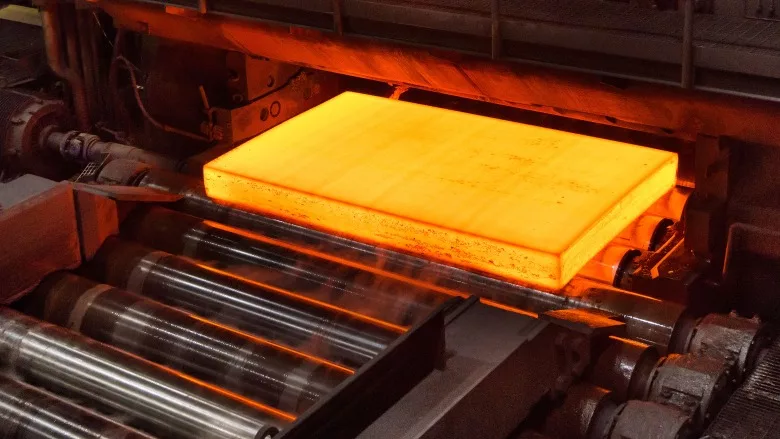
The concept of "zero waste" is becoming increasingly popular. That's why many industries have created plans to reduce the majority, if not all, of the materials that would otherwise end up in landfills. On the industrial level, zero waste involves repurposing everything that goes into a production process.
No company wants to manufacture products only to send them to a scrap pile. At the same time, they can not entirely avoid faulty products. But instead of just discarding them, companies are now trying to find eco-friendly ways to reuse them. For this reason, the metal sector is hyper-focused on decreasing faults during manufacturing and enhancing sustainability, with the lofty objective of zero waste — material, energy, and more.
Sheet metal manufacturers deal with various metals, like steel, aluminum, brass, copper, tin, nickel, titanium, and even precious metals. That makes recycling even more difficult. So, what can sheet metal manufacturers do to adapt to zero-waste production?
Using Resourceful Resolutions to Reduce Waste
Today, sheet metal factories have various solutions they can adopt to make the production process zero-waste. But that requires letting go of decades-old practices and embracing the innovative tools and processes of the future — which some find challenging. Still, zero-waste production has numerous environmental and economic benefits, which is why it is definitely worth taking some of the following ideas into consideration.
Reducing the Volume of Waste and Promoting Recycling
The World Steel Organization published a fact sheet reporting its goal of reaching zero waste in the steel industry through the recovery and reuse of steel manufacturing by-products such as dust, sludge, and slag. Recycling them helps reduce CO2 emissions, landfill waste, and the use of raw materials. Moreover, by-products recovered from other sectors can be sold to generate extra funds.
Dust and Sludge Recycling
Sheet metal manufacturers can reuse almost all of the dust. For example, dust collectors could gather the dust generated at the metal works. Then companies could transform it into cement. Low-iron sludge could also serve to make decorative bricks.
Thanks to modern technology, manufacturers can now recycle high zinc content dust and turn it into cement. Such a feat was hard to achieve in the past. At the same time, they can sinter and palletize low-zinc dust. That way, dust is put to good use instead of finding its way into the landfills.
Slag Recycling
Similarly, metal foundries can recycle slag from blast furnaces and converters into cement, and roadbed material, among other things. In fact, such cement has several advantages compared to the one we usually use. For instance, controlling the alkali-aggregate reaction is more effective with the cement manufactured from blast furnace slag than it is with regular cement. The factories could also conserve energy and reduce CO2 emissions during cement production.
Another option is to produce high-quality aggregate for concrete by modifying the taking blast furnace slag and modifying the size of particles. Manufacturers could then use it instead of natural sand, which helps protect the environment.
Sulfur Oxide and Coal Ash Recycling
Metal factories could recycle almost all of the coal ash produced by boilers into cement and material for the composite roadbeds. Likewise, they could efficiently exploit the sulfur oxide in the waste combustion gas to generate gypsum through a reaction with coal in the exhaust gas desulfurizer.
Recycling of Fly Ash
Furthermore, metal manufacturers could install pelletizing technology, which produces rounded pellets named ashstone. It uses fly ash generated by coal-fired boilers. Ashstone is currently utilized as road material.
Solutions for Aluminum
Manufacturers could also install scrap metal furnaces, improve the yield rate when melting, and reduce the amount of impurity (aluminum dross) in the aluminum melting process. In addition, factories could run arc furnaces to boost the percentage of aluminum dross recovery. The leftover ash can be successfully recycled as cement.
Likewise, they could try to keep the majority of aluminum dross residue away from landfills. However, more research is necessary to increase recycling efficiency.
RPF Utilization
RPF stands for Refuse Paper & Plastic Fuel. It is solid fuel made up of old paper, waste plastic, and other materials. To reduce the quantity of coal consumed in power generation, companies can use RPF as a fuel in circulating fluidized bed boilers.
Implementing AI Solutions
For the industrial sector to reach the zero-waste goal, it's crucial to understand that 80% of manufacturing's KPIs (key performance indicators) come from operations. With the help of AI, manufacturers could start predicting crucial KPIs such as equipment efficiency, manufacturing quality, energy use, and carbon footprint. These predictions could lead to a 20 – 50% decrease in scrap rate and a significant reduction in energy costs, resulting in sustainable and zero-waste manufacturing processes.
Another big advantage of AI technology is real-time analytics. For example, if there are any defects happening during the sheet metal production process, the manufacturer can get helpful notices in real-time.
Conclusion
The zero-waste movement inspires manufacturers all over the globe to change their practices and production processes. Thanks to their efforts, companies now invest more time and money into finding ways to decrease the negative impact they have on the environment.
Even so, solutions are rarely one size fits all. That's why it would be best for the sheet metal manufacturers to form a special team for each factory dedicated to the cause. The teams would observe, gather information, and propose actions that fit the unique requirements of each location.
Looking for a reprint of this article?
From high-res PDFs to custom plaques, order your copy today!