According to a recent study by Parks Associates, 13 percent of U.S. broadband households owned a smart thermostat by the end of 2017. And while that’s still under a quarter of eligible homes, that number has nearly tripled from just three years prior, influenced by factors like the ubiquity of the smartphone and the rise of in-home AI.
Following are four examples — a kosher wine shipping center, a chiller plant in a marine research lab, a community pool, and a 10th-floor medical office retrofit — that illustrate just how creative high-efficiency products can be when it comes to unique solutions for everyday issues.
One of the most obvious effects of commercial IoT, in terms of HVAC systems, is convergence of technology: bringing different systems within the building together into one ecosystem.
Panasonic Corp. of North America is honing in on its focus to make it easier for both residential and commercial building owners to control the temperature and comfort level within the space. The company hit its targets with the introduction of two new products — the ECONAVI air conditioner and the Variable Refrigerant Flow (VRF) Smart Connectivity Controller.
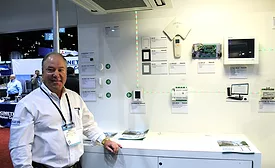
Carrier has enhanced the Carrier i-Vu building automation system to include a line of self-powered, wireless space sensors. These sensors provide flexible installation options, which allow building climates to be controlled for optimum comfort and energy efficiency.
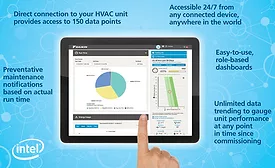
Combining advanced automation and data analytics, Outcome Based Service enables Honeywell service engineers to assess and scrutinize building assets around the clock, promoting the identification of anomalies and misconfigurations.
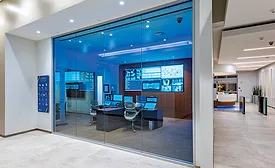
The buildings of tomorrow are chock full of Internet of Things (IoT) devices and equipment that connect tenants, mechanical systems, and facility managers to up-to-the-minute data and progress reports.
According to a new market research report by marketsandmarkets.com, the home automation system market was valued at $39.93 billion in 2016 and is expected to reach $79.57 billion by 2022 at a compound annual growth rate (CAGR) of 11.3 percent during the forecast period.
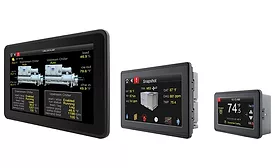
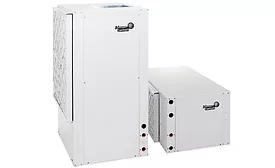
SMART Equipment Controllers (SEC) use a smart mobile device interface, giving contractors, engineers, and building owners the flexibility to easily access their Johnson Controls water-to-air water-source heat pump controls through any Wi-Fi-enabled device on any internet browser.
 RSS
RSS