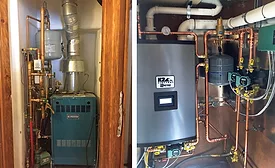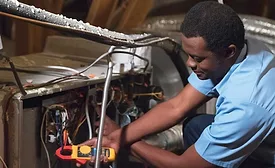
Within the limits of ultimate system functionality, hydronic/mechanical artists can “paint their own canvas” — free to explore greater functionality, performance, and energy efficiency — all the while having the time of our lives (mechanically speaking).
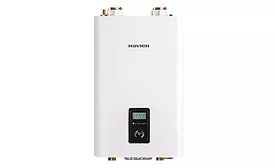
This unit meets all market-driven bid specifications and is designed for most heating needs, including applications in schools and other educational facilities, public institutions, health care buildings, offices, hotels, multifamily housing, churches, and more.
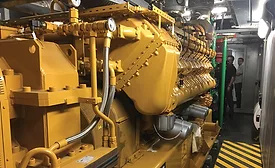
A one-paragraph, simple overview of the basic CHP approach reads like this: A building’s (or campus’) system uses fuel to make its own electricity, and then it applies the waste heat from that process toward its HVAC needs.
The in-house-designed and -manufactured heat exchanger is form-pressed and robotic-laser-welded to minimize the number of weak points that could be prone to thermal stress and corrosion.
From boilers to rooftop units to VRF systems, each technology offers a unique set of benefits sure to keep commercial customers — and their tenants — happy.
Manufacturers introduce equipment designed for cooler temps
October 1, 2018
The manufacturers provided us with a brief description of features included with each product. For more information, please contact the manufacturers or their distributors.
New systems feature improved comfort, energy efficiency
May 7, 2018
It’s time once again for the annual Cooling Showcase. The NEWS’ annual issue has traditionally introduced the latest air conditioning units available for the upcoming summer season.
I live and work in the Santa Fe, New Mexico, area. So, it takes something special to pull me from my home and work to willingly travel to Chicago in the midst of winter. This year, that special something was the AHR Expo.