GHPs may not often be a consumer’s first choice for heating and cooling, but many contractors remain dedicated to the technology, and they’re still finding consumers who want GHPs — even in areas where their benefits are not known as well.
The New York City Council voted unanimously to pass a bill that encourages the installation of geothermal energy and requires that geothermal heat pumps be considered for all new construction and retrofits of city-owned buildings.
While some folks are harder to please than others, HVAC contractors say there are proven practices that can help prevent a tense situation from escalating. And, with the right tactics, you can even turn an angry customer into a happy, satisfied one.
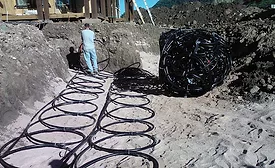
Geothermal heat pumps (GHPs) have been around for a long time, but recent technological advances have propelled these systems into a new sphere of efficiency and comfort.
As customer interest in geothermal has increased, numerous HVAC contractors have begun offering GHPs as a way to expand their businesses and give their customers another energy-efficient HVAC option. But, while many of these contractors have undergone extensive training and took the time to properly design and install their GHP systems, others may not have been so careful.
Considering everything we do revolves around heat transfer, there’s no better way to visualize heat transfer than with thermal imaging. The technology is getting more affordable every day, and the quick return on investment makes this technology a no-brainer.
Brings thermal energy storage to the residential market
February 12, 2016
Ice Energy has introduced the Ice Bear 20, a smaller-capacity version of its flagship Ice Bear system for residential cooling. The new system combines Ice Energy’s patented thermal storage and smart grid technology with integrated cooling, enabling utilities to control residential cooling load and reduce peak demand.
The digital revolution long ago arrived and transformed the world, but 171 billion pieces of physical mail in the U.S. alone is no small number. Print media still exists, and, in some cases, is still thriving.
Just as the 2016 elections are already having an impact on the country’s airwaves, many industry leaders agree they’ll also have a significant impact on both the regulatory and legislative environments impacting the HVACR industry through the end of the calendar year.
Between the DOE and the EPA, the regulatory bodies have issued dozens of new rules directly impacting the HVACR industry in just the past couple of years, and this year will likely be no different.
 RSS
RSS