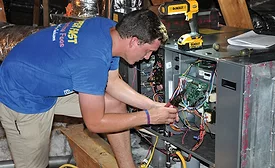
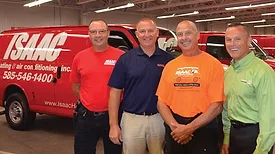
For many contractors, high-end heat represents a good investment with solid returns. So how do contractors get involved in high-end heating equipment? They talk to other contractors and find out what worked for them.
We all know winter is on its way. And HVAC contractors — who brave all types of weather conditions — are using this time to prepare their field technicians and installers for cold weather and the ice, sleet, and snow that come with it.
The expected surge in smart thermostat sales will have equipment manufacturers, many of whom have their own proprietary controls, competing with the well-known universal thermostat brands, such as Nest, Honeywell, and ecobee.
The baffling element of the Omnibus spending bill passed by Congress in December 2015 was the lawmakers’ decision to extend residential and commercial tax credits for solar photovoltaics and big wind through 2021, while allowing similar incentives for ground source heat pumps and other “orphaned” technologies to die on the vine.
My thinking was something like this: It costs a lot, may not be all it’s claimed to be, and looks to be pretty involved (learning curve), so maybe the thing to do is to sit on the sidelines for a while to see how it does. Soon, there was broad use of technology we weren’t familiar with, and I began to sense that some of our competitors had an advantage.
According to a 2016 survey of small businesses (under 300 employees) by Nationwide, three in five do not have a succession plan in place. Of those who do, fewer than half have discussed it with a lawyer or financial advisor. Millennial business owners are most likely to have a succession plan in place (61 percent), compared with 32 percent of baby boomers and 32 percent of GenX leaders, according to the study.
Using a GPS system is gaining momentum in the HVAC industry. Contractors are finding it a reliable way to keep track of their vehicles, monitor their employees driving safety, and save time and money.
 RSS
RSS