Incorporating flammable refrigerants into manufacturing processes can have a dramatic impact on your facility from testing procedures to reclassification as a hazardous location to modifying or building new labs.
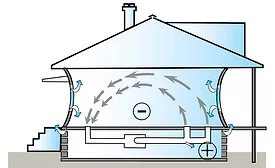
Combustion safety can be sacrificed when fuel-fired appliances needing interior air for combustion are not carefully considered. Many appliances depend on a consistent supply of air from inside the building to operate safely. If this fact is ignored, the results can be deadly.
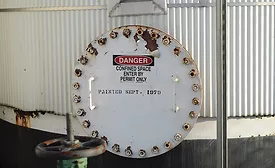
OSHA's Confined Spaces in Construction final rule received negative feedback from the HVACR industry and was labeled as overreaching and burdensome to residential contractors when it was released last spring.
When you hear that your facility will be the target of an OSHA inspection, step back and examine the strengths and weaknesses of your safety program, and think about how you can focus the attention on the strengths. Although OSHA will come in looking for anything you’re doing wrong, you want to make sure they’re aware of all the things you’re doing right.
At a recent International Institute of Ammonia Refrigeration (IIAR) meeting, Mark S. Dreux, a partner and head of the OSHA group at the Washington, District of Columbia, law firm Arent Fox LLP, gave a presentation on how facility personnel can manage the biggest challenges associated with an OSHA inspection.
The divisiveness of the presidential campaign on top of what was already a difficult political climate in Washington means pushing through any kind of legislation this year will be highly unlikely, though that doesn’t necessarily mean the trends aren’t moving in the right direction for ammonia and other natural refrigerants.
For employers, an increase in OSHA fines could be a costly problem, underscoring the importance of a robust and effective workplace safety policy. However, OSHA’s recent enforcement positions are creating confusion over how to implement an effective safety policy.