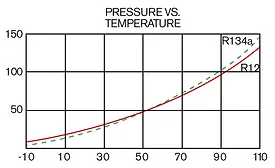
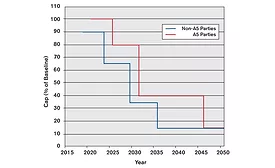
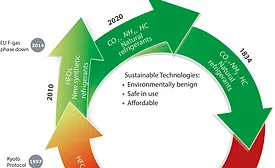
Hydrofluorocarbon (HFC)-134a replaced chlorofluorocarbon (CFC)-12. Now, 134a is on its way out, too. The July 2, 2015, ruling from the U.S. Environmental Protection Agency (EPA) set forth the time frames for the phasedown of certain HFC refrigerants in specific applications.
We all know that some of the new refrigerant options are highly flammable, some are mildly flammable, and some operate at very high pressures. But our industry is filled with smart people who know the hazards, and will train and adapt.
Is an HFC phasedown policy possible? Yes, though it won’t come easy or cheap. And, in a world where so many have so little, its importance is certainly up for debate.
Provides an option to mitigate HFC emissions while transitioning to lower GWP alternatives
May 13, 2016
EOS Climate announced it has completed its first project to generate Verified Emission Reductions (VERs), also known as carbon credits, from the reclamation and reuse of hyrdofluorocarbon (HFC) refrigerants.
Includes a ban on the sale of all virgin HFC refrigerants with a high GWP
May 2, 2016
California’s Air Resources Board (ARB) has released a proposed strategy aimed at curbing emissions of short-lived climate pollutants, including hydrofluorocarbons (HFCs). The proposal targets near term emission reductions that will help California meet its 2030 greenhouse gas reduction targets.
The refrigerant recovery and reclamation sector is striving to keep up with the changes taking place in the world of refrigerants, which means it is constantly creating new products to seamlessly adapt to the latest batch of regulations and refrigerant phaseouts.
Company intends to reduce the climate impact related to the refrigerants used in its products by 50 percent by 2020
March 25, 2016
The U.S. Environmental Protection Agency (EPA) has announced the 2016 Climate Leadership Award recipients who will be honored for their leadership in helping fight climate change. Ingersoll Rand, Davidson, North Carolina, will be presented with an Organizational Leadership Award for phasing out HCFCs and other refrigerants.
EDITOR’S NOTE: This is part two of a two-part series. The first part, "Tips for Surviving Refrigerant Transitions, Part 1," appeared in the Feb. 1, 2016, issue of The NEWS.
For HVAC refrigerants, the changes keep coming fast and furious at a time when the global demand continues to grow apace. Changes implemented via the EPA’s Significant New Alternatives Policy (SNAP) program, combined with the continued phase out of R-22, will lead contractors to seek out opportunities to gain experience with the use of new low-GWP refrigerants.
The cyclical pattern of change in refrigerants is linked directly to our growing understanding of the unintended consequences of refrigerant interactions with our atmosphere, coupled with advancements in technology and shifts in societal values toward sustainability. One only needs to look at the evolution of refrigerants to see these trends at play.