Guest Column
The Competitive Advantage Isn’t Just HVAC Technical Expertise
Teaching technicians how to communicate, listen, and build trust can be just as important as teaching them how to diagnose and repair HVAC systems
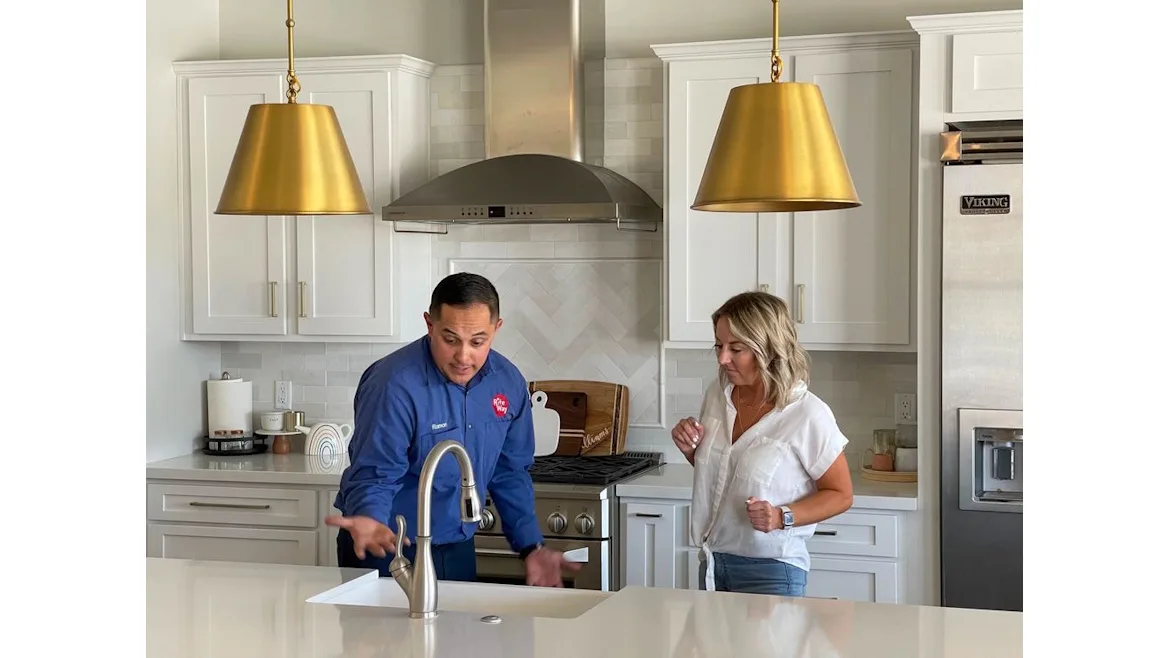
BEYOND THE REPAIR: Technical skills solve HVAC problems. Communication helps technicians understand the homeowner’s concerns, build trust, and deliver better solutions.
In the home services industry, we talk a lot about technical excellence. Installing systems to manufacturer specifications. Diagnosing issues correctly the first time. Avoiding callbacks. Those standards matter because they protect the customer and the integrity of the work. But after decades in the HVAC industry, I have learned that technical skills alone will never make someone a top performer. The real differentiator is whether they care about people.
Demand for skilled trades professionals continues to grow as systems become more complex and experienced technicians near retirement. Federal projections estimate roughly 40,000 HVAC openings each year through 2034. For years, young people were told that a four-year college degree was the primary path to success. While more are now reconsidering the trades, there simply are not enough skilled technicians to meet the growing demand. That imbalance makes how we train and develop people more important than ever.
At the same time, training in the trades varies widely. Some high schools offer programs. Some community colleges provide coursework. Many companies build their own academies. But there is no consistent national model that blends technical mastery with professional development. Most programs focus almost entirely on the mechanical side of the job. They teach how a system works, how to install it, and how to troubleshoot it. What they rarely address is how to communicate with the homeowner who is trusting you with their comfort and safety.
Technical Excellence Is Black and White. Communication Is Not.
When I think about technical excellence, I think in black and white terms. Equipment either meets manufacturer specifications or it does not. A diagnosis is either correct or it is not. With structure, repetition, and the right resources, most people can learn the technical side of this business if they are willing to put in the effort.
In our training programs, we combine classroom instruction with hands-on learning. New technicians study best practices and work directly with equipment before heading into the field. We teach them where to find answers, whether through documentation, manufacturer support, or experienced team members. That layered approach reduces repeat visits and builds confidence.
Communication is different. It is not a checklist. It requires judgment, empathy, and the ability to read the room.
If you ask me what separates technicians who succeed long term from those who struggle, my answer often surprises people. It is the ability to have a conversation. The most successful technicians are comfortable engaging with different personalities. They ask good questions. They listen carefully. Customers buy from people, not companies.
Looking for quick answers on air conditioning, heating and refrigeration topics? Try Ask ACHR NEWS, our new smart AI search tool. Ask ACHR NEWS
That is why we spend significant time on role-playing and scenario-based training. Many new technicians are uncomfortable at first. Through repetition and coaching, they become more confident. They practice asking open-ended questions and, more importantly, listening to understand rather than listening to respond. That human connection shows up quickly in performance.
Moving Beyond the Immediate Fix
When a homeowner calls because their air conditioner is not working, the immediate task is clear. Diagnose the issue and restore the system. If a technician replaces a failed part and the unit runs again, the technical job is complete. But that approach rarely leads to top performance.
The better question is what else is happening in the home. Is there a bedroom that is always 8 degrees warmer than the rest of the house? Is the system louder than it should be? Are there comfort issues the homeowner has simply learned to live with because no one has ever asked about them?
Most customers call with one specific problem. Technicians who ask thoughtful questions such as, “Which room is the most uncomfortable?” or “What’s one thing you would change about your system?” often uncover opportunities to address broader comfort concerns. It’s not about applying sales pressure; it’s about educating homeowners and presenting options. When customers feel heard and informed, they’re more likely to trust the technician’s recommendations.
For learning and development leaders, the lesson is straightforward. If you train employees only to complete tasks, you will get task completion. If you train them to think about the entire customer experience, you will see stronger relationships and stronger results.
Investing in People Builds Loyalty
Our approach reflects that philosophy. When we bring someone new into the industry, they go through weeks of structured training that includes technical instruction, hands-on practice, communication development, and role playing. They then ride along with experienced technicians before working independently. We pay them during that training period, so they are earning while they learn.
When you commit resources to someone’s development from the beginning, it builds loyalty. People want to get better at what they do. If they feel they have hit a ceiling, they start looking elsewhere. Ongoing training keeps them engaged and reinforces that growth is part of the culture.
Technology Will Raise the Bar for Human Skills
HVAC systems are becoming increasingly intelligent. Advanced diagnostics already help identify failed components, and that capability will only improve.
As technology makes technical troubleshooting more efficient, the differentiator will not be simply the ability to change a part. It will be the ability to build trust, ask meaningful questions, and identify ways to improve a customer’s comfort and overall experience.
As automation and AI handle more routine tasks across industries, human skills become a competitive advantage.
Care Is a Core Capability
Whether we are talking about HVAC or any other service industry, the principle is the same. You have to care about people.
When a service professional walks into your home, communicates clearly, and shows genuine interest in your concerns, the experience feels different. It builds loyalty and long-term relationships.
For talent development professionals, the challenge is to make care and communication core capabilities, not afterthoughts. Teach the technical standards. Provide the right tools and resources. But also create space to practice conversations, ask better questions, and develop the confidence to engage authentically.
Technical skills can be taught with structure and repetition. Caring about people must be modeled, reinforced, and expected. Organizations that commit to both will not only close skill gaps. They will build professionals who earn trust and drive sustainable growth.
Looking for a reprint of this article?
From high-res PDFs to custom plaques, order your copy today!