Appeals Court Pauses Ruling Against Trump’s New 10% Global Tariffs
Tariffs imposed after Supreme Court ruled “Liberation Day” tariffs exceeded authority
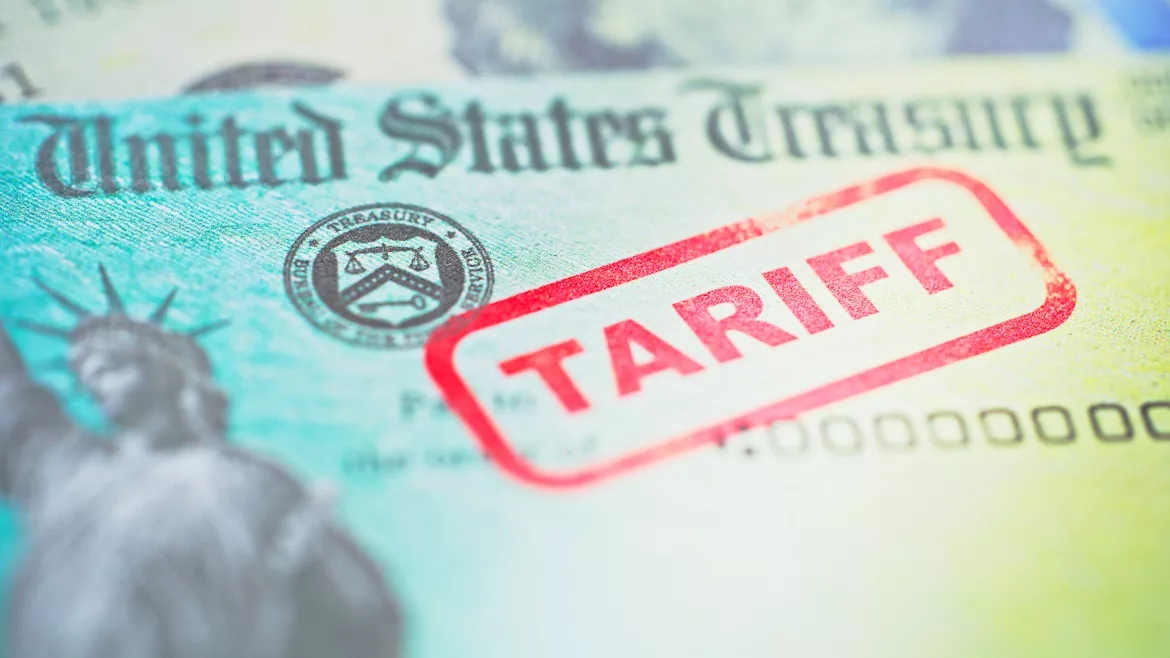
TARIFF DECISION: A U.S. trade court struck down 10% global tariffs imposed under Section 122 of the Trade Act of 1974.
A U.S. appeals court on Tuesday paused a ruling by the U.S. trade court that struck down President Donald Trump’s second attempt at implementing 10% tariffs on nearly every trade partner.
On May 7, the U.S. Court of International Trade, in a 2-1 decision, determined that Trump’s attempt to put into place global 10% tariffs to address fundamental international payments problems was “contrary to law.”
The U.S. Court of Appeals for the Federal Circuit’s order includes an administrative stay and sets a schedule for the plaintiffs and defendants to file briefs.
These tariffs were put into place following a Supreme Court ruling last February that determined his use of the International Emergency Economic Powers Act of 1977 to unilaterally impose “Liberation Day” tariffs violated federal law.
The latest tariffs were enacted on Feb. 24 under Section 122 of the Trade Act of 1974, which allows the president to impose tariffs for 150 days to address international payment problems. The administration argued that tariffs were needed due to “a large and serious trade deficit,” according to the ruling. Exceptions were made for certain products and materials.
The trade court determined that the Proclamation doesn’t identify balance-of-payments deficits within the meaning of Section 122 of the Trade Act, meaning trade deficits and current account deficits are not necessarily the same thing.
Small businesses and 24 states filed the lawsuit, arguing they were an attempt to sidestep the Supreme Court’s decision. In its ruling, the trade court judges said the administration must stop charging tariffs for the state of Washington and the two businesses that filed the lawsuit. The ruling also said the White House must refund any Section 122 tariffs with interest.
Looking for quick answers on air conditioning, heating and refrigeration topics? Try Ask ACHR NEWS, our new smart AI search tool. Ask ACHR NEWS
Tariff collection will resume under the pause. The Trump administration, in its motion to stay, called for the ruling to remain paused pending a full run of appeals, including up to the Supreme Court. The motion reasoned that if refunds were issued but the appeals court decision is upheld, it wouldn’t have the ability to seek compensation.
Should the trade court ruling be upheld, the decision may ease some import cost pressures affecting HVAC materials and could constrain future tariff actions. It may also improve supply chain predictability, depending on whether the Trump administration seeks alternative ways to apply tariffs.
The ruling, however, doesn't automatically eliminate tariffs in any broad sense. Existing tariffs will likely remain in place, such as the Section 232 tariffs on steel, aluminum, and copper, and pricing pressures aren’t going to disappear overnight.
The Impact of Tariffs
Carrier and Lennox recently attributed tariffs as one of the drivers of price increases across materials and transportation. The ongoing conflict in Iran has also created oil and aluminum price surges.
In April, Trump issued a proclamation that impacted the calculations for tariffs on steel, aluminum, and copper. At the time, Stan Kolbe, executive director of government and political affairs for the Sheet Metal & Air Conditioning Contractors' Association, said it didn’t provide any long-overdue relief.
Overall price increases are impacting construction. Pricing for HVAC equipment was flat in March, but national input prices were up 2.2%, and nonresidential construction spending was down 0.2%, according to analyses by the Associated Builders and Contractors. ABC Chief Economist Anirban Basu said construction material prices were up 4.8% year over year, the largest annual increase since January 2023.
“With the exception of the ongoing boom in data center construction (+34.3% year over year), there are few sources of momentum,” said Basu.
Price increases are at the center of multiple class-action lawsuits claiming that major HVAC manufacturers conspired to coordinate price hikes since January 2020. Both Lennox and Carrier dispute the claims and indicated they will defend their actions in court.
Looking for a reprint of this article?
From high-res PDFs to custom plaques, order your copy today!