PPI Report Signals Renewed HVAC Cost Increases Amid Global Uncertainty
Producer Price Index shows month-to-month pricing remains stagnant
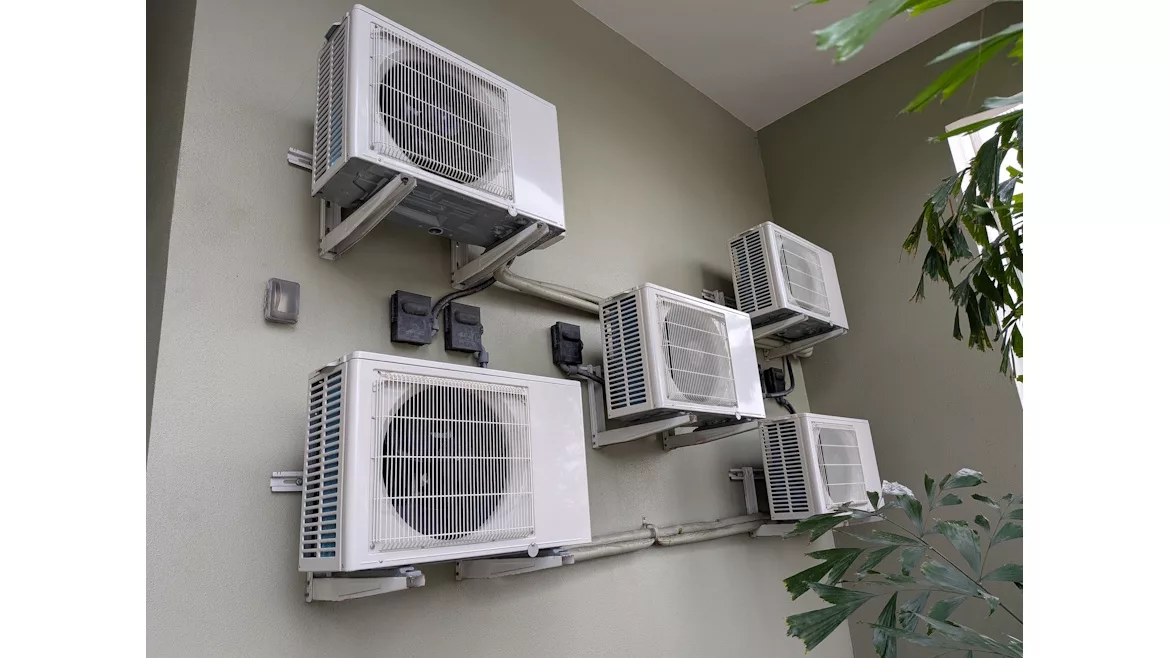
HIGHER COSTS: A perfect storm of regulatory changes, new technology, and market pressures has permanently raised the cost of HVAC equipment.
Pricing for HVAC equipment and nonresidential construction remained flat in March, but overall construction prices are rising due to higher oil prices and the U.S.-Israel-Iran war.
The latest Producer Price Index data from the Bureau of Labor Statistics shows finished HVAC equipment prices have steadily risen, but material input costs have been more volatile due to tariffs and global instability caused by the war. Rising fuel prices have resulted in increases to winter heating costs as well as overall equipment pricing.
“The rapid increase in diesel prices since late February, for instance, will raise shipping costs, putting upward pressure on virtually every construction material,” said Associated Builders and Contractors Chief Economist Anirban Basu.
In terms of materials, the index for aluminum mill shapes rose 1.2% for the month and 34.1% year-over-year. The index for copper and brass mill shapes rose 0.5% in one month and 21.3% over 12 months. The index for steel mill products rose 2.1% from February and 15.4% from March 2025.
For air-conditioning, refrigeration, and forced air heating equipment manufacturing, the March preliminary PPI rose 0.3% from last month. This number measures the price changes domestic manufacturers receive — upstream cost pressures, not retail pricing. Compared to March 2025, the PPI is up by 5.24%.
The BLS data also shows the PPI for nonresidential HVAC and plumbing remained stagnant from February to March, growing .04%. It is a 0.5% increase from March 2025.
This HVAC-specific data shows costs are rising again, reflecting a new inflation cycle driven by metal, energy costs, tariffs, and global instability. Contractors can expect continued price increases from manufacturers and adjustments from distributors. In turn, they may have difficulties locking in bids and managing inventory.
Looking for quick answers on air conditioning, heating and refrigeration topics? Try Ask ACHR NEWS, our new smart AI search tool. Ask ACHR NEWS
“Because contractors can seldom pass along cost increases after committing to a project, these extreme, sudden jumps are causing major hardship,” said Jeffrey D. Shoaf, CEO of the Associated General Contractors of America, in a written statement. “In addition, uncertainty over future costs and demand for structures may cause owners to delay or cancel previously planned projects, adding to contractors’ woes and slowing economic growth.”
The overall PPI for construction input prices rose 2.2% in March compared to the previous month, while nonresidential construction input prices increased 2.3% in the same period. Overall construction input prices are 4.8% higher than a year ago, according to ABC, while nonresidential is 5.4% higher.
“Construction materials prices surged in March and are now up 4.8% year over year, the largest annual increase since January 2023,” said Basu. “This monthly increase is due to higher oil prices, a direct result of conflict in Iran, and it remains to be seen how that seismic geopolitical event will affect other input prices in the months to come.”
Recent shipment data from the Air-Conditioning, Heating, and Refrigeration Institute shows declines in nearly every equipment type tracked by the data. However, these drops are in part due to the strong growth seen in the second half of 2024 and the first part of 2025, spurred by refrigerant transitions.
Looking for a reprint of this article?
From high-res PDFs to custom plaques, order your copy today!


