Guest Column
Why Summer HVAC Failures Start in Spring — and How Contractors Can Help Customers Get Ahead of Them
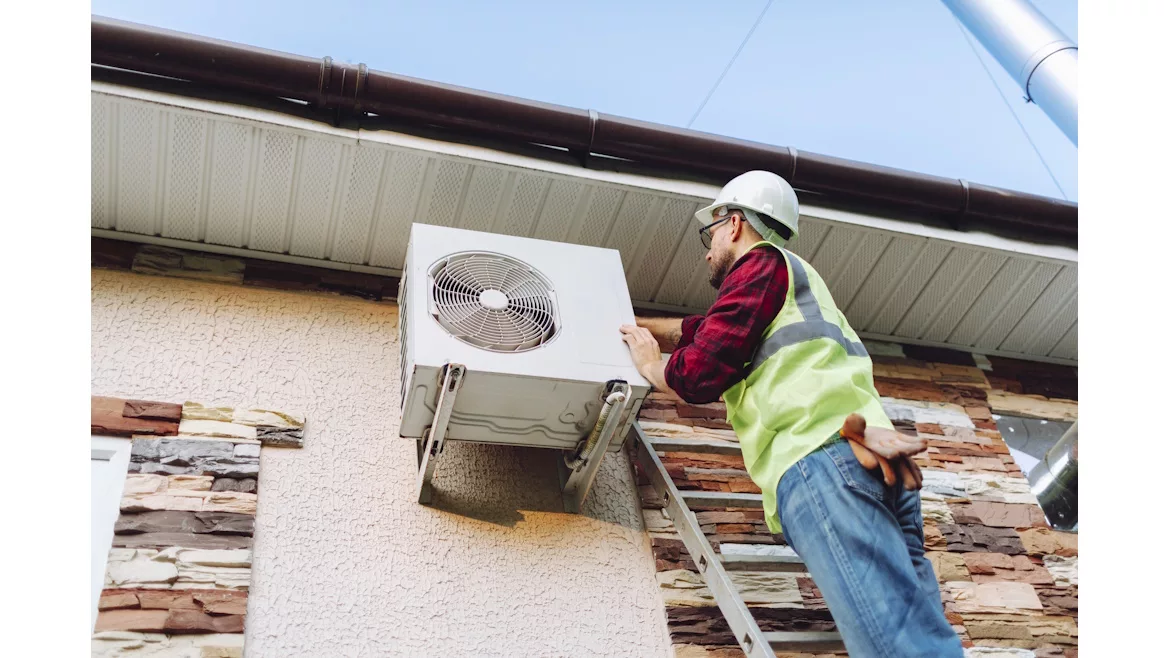
PROACTIVE: Deferred maintenance has a way of showing up at the worst possible time.
Every contractor has seen it.
The first real stretch of summer heat hits, and suddenly the phones light up. Systems that seemed fine a few weeks earlier are now struggling to keep up. Emergency calls increase. Customers want immediate answers. And teams are pulled into reactive mode.
What’s worth remembering is that most of these failures don’t actually start in the summer. They start months earlier.
In many cases, the root cause is deferred maintenance or small issues that went unaddressed during the spring. A dirty coil. A belt starting to wear. Controls that have drifted out of calibration. On a mild day, those problems don’t stand out. Under peak load, they do.
That creates an opportunity for contractors.
Spring is not just a maintenance window. It is when contractors can set the tone with their customers for how the entire cooling season will go. The difference between a reactive summer and a controlled one often comes down to what happens before sustained heat arrives.
A good place to start is shifting the conversation from basic service to system readiness.
Looking for quick answers on air conditioning, heating and refrigeration topics? Try Ask ACHR NEWS, our new smart AI search tool. Ask ACHR NEWS
Many customers still think of preventive maintenance as a routine check. Contractors know it is more than that. A thorough inspection should look at how the system will perform under stress, not just whether it is running today. That means checking airflow, verifying refrigerant charge, cleaning coils, inspecting belts and motors, and making sure controls are operating as intended.
It is also important to help customers understand system capacity. A lot of equipment in the field today is 15 to 30 years old. Buildings evolve over time. Occupancy changes. Processes change. Technology loads increase. What worked five years ago may not hold up under current demand. Raising that conversation early allows customers to plan instead of react.
Energy performance is another area where contractors can lead. During peak cooling months, inefficiencies become expensive. Systems that are even slightly out of balance will run longer and consume more power. Addressing those issues in the spring can make a noticeable difference in operating costs over the summer. That is a message customers understand.
Contractors can also play a key role in setting expectations around contingency planning. Even well-maintained systems can experience issues during extreme conditions. Having a conversation about response times, parts availability, and temporary solutions before an emergency happens helps build trust and reduces pressure when something does go wrong.
Ultimately, this comes down to how contractors position themselves.
When conversations are limited to reactive service, the relationship stays transactional. When contractors take the lead in helping customers understand system risk, plan ahead, and prepare for peak demand, they become a trusted partner.
That shift benefits both sides. Customers experience fewer disruptions and more predictable costs. Contractors see fewer emergency calls driven by preventable issues and more planned, strategic work.
Once sustained heat arrives, the industry moves into response mode. Schedules fill up quickly and options narrow. The contractors who create the most value are the ones who help their customers prepare before that happens.
Summer will test every system. The work contractors do in the spring often determines how those systems perform when it matters most.
Looking for a reprint of this article?
From high-res PDFs to custom plaques, order your copy today!