Guest Column
How to Turn One Service Call Into Two Revenue Streams
The fastest growth often comes from expanding what you can solve once you’re already in the home
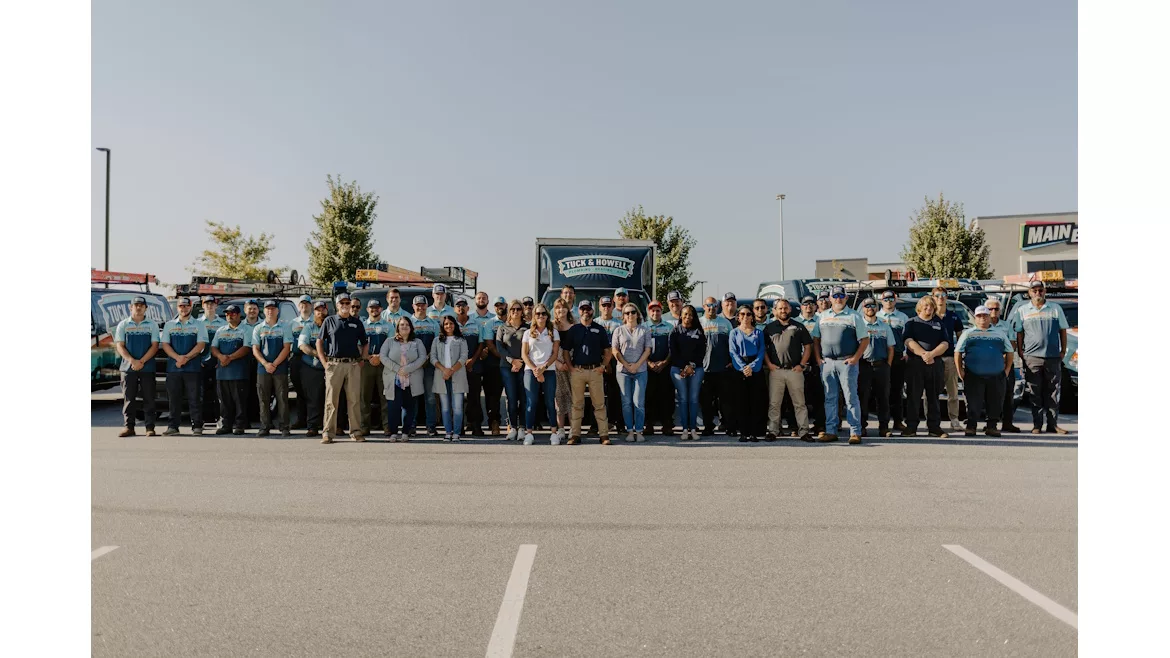
HINDSIGHT: Mahaffey’s story isn’t about a clever trick; it’s about seeing the business the way the homeowner experiences it.
In most markets, the knee-jerk response to growth is simple: Spend more to generate more calls. But for many established HVAC businesses, the constraint isn’t demand; it’s missed opportunity inside the very homes you’re already paying to enter. Jay Mahaffey, owner of Tuck & Howell Plumbing, Heating & Air in Greenville, South Carolina, has watched this play out firsthand since buying the 56-year-old company on January 23, 2023.
At a $4.3M-$17M revenue scale, Mahaffey’s focus hasn’t been chasing novelty. Instead, it’s been maximizing the value of each customer interaction while protecting reputation. His core belief is pragmatic and straightforward. In a typical day, technicians can “crawl by more work in one day … than we could do in a month if we just provided those services.” If the company has the right services, processes, and standards in place, every booked job can be an opportunity to produce more value with the same marketing budget. The last two years have proven that this isn’t a theory; it’s a repeatable growth lever.
Why Plumbing Wasn’t A “New Trade,” But A Natural Extension
For Mahaffey, adding plumbing wasn’t an impulsive trend-following move; instead, it was in the business plan before he ever bought the company. The logic was practical. Plumbing and HVAC “run two in the same, almost together,” and the customer is already conditioned to trust you once you’re inside the home.
More importantly, the economics are compelling.
“You’re already paying marketing dollars to get in that door,” Mahaffey explained, “so why not offer another trade?” In his view, expanding services isn’t about becoming everything to everyone. Rather, it’s about staying in an adjacent lane that the homeowner already needs. Plumbing, HVAC, and electrical are “bare necessities of a home,” and when a company can solve more of those necessities, it can reduce marketing inefficiency, increase customer lifetime value, and become harder to replace.
Make The Market Entry A Long Game, Not A Vanity Launch
Mahaffey is candid about what most owners don’t want to admit: The rollout won’t look impressive at first. Tuck & Howell launched plumbing on August 1st, 2023. Month one produced roughly $6,000 in plumbing revenue with a single plumber who came from the commercial, not residential, side. This meant training and adaptation were part of the cost. Early on, the company spent more on marketing than plumbing brought back. Mahaffey didn’t flinch.
“I didn’t second-guess myself. … I knew it was the long game.”
Looking for quick answers on air conditioning, heating and refrigeration topics? Try Ask ACHR NEWS, our new smart AI search tool. Ask ACHR NEWS
That long-game patience created the runway to build competence, hire properly, and gain share without panicking. Today, the plumbing department has grown to eight plumbers, and leadership is already calling for two more due to call volume and capacity tracking. The lesson is simple: If you treat expansion like an “instant win” campaign, you’ll quit right before it starts working.
Cross-Selling Only Works When Your Closeout Process Is Bulletproof
Once you add a trade, you inherit a new responsibility. The customer will assume you saw everything you should’ve seen. Mahaffey learned this through a painful but valuable moment when a homeowner called out something his team missed, and another company found it later. He agreed with the homeowner, owned it, and used it as a training catalyst. His answer wasn’t a motivational speech. It was operational. They needed “proper notes, proper photos, and a checklist.” That “leave no stone unturned” mentality protects the brand, creates ethical revenue opportunities, and raises technician performance without pressure tactics. Mahaffey frames it as a true “win-win-win.” The customer gets better service, the technician earns more (his team is on performance pay), and the company builds margin with integrity. If your team can’t document what they saw and what they recommended, you don’t have a sales problem; you have a consistency problem.
Turn Five-Star Reviews Into Culture, Not Just Marketing
Mahaffey’s team starts calls with a sentence that immediately sets the tone. After they introduce themselves, his techs will say, “My job for you here today is to deliver a five-star experience.” They ask for the review before the work begins — not as a gimmick, but as a commitment to a standard. Then they reinforce it with incentives: $20 per review, $40 if the review includes a photo. The result isn’t just better branding, but a measurable advantage. Mahaffey points to their standing and rating (4.95) as proof that the process compounds. He also understands something many owners miss; he’d rather pay his people than pay Google.
“I’d rather fish out of our pond than Google’s pond,” he quipped.
Those review photos serve as proof of trust, feed the algorithm, and strengthen internal pride. Once a month, the team reviews those photos together in a company-wide meeting, clapping, celebrating, and handing out checks. That’s not “marketing.” That’s identity.
Practical Ways Contractors Can Adopt Mahaffey’s Approach
- Audit what you’re already walking past: track the most common “adjacent” needs your techs see in homes, then decide whether adding a trade is truly in-lane.
- Expect an ugly start: build a 6-12 month runway where marketing spend may outpace revenue while your department gains traction.
- Standardize “leave no stone unturned”: require closeout notes, photos, and a checklist on every call, especially when you’re cross-selling.
- Make reviews a system: set expectations early, incentivize photo reviews, and celebrate wins publicly so reviews become part of the culture, not a chore.
- Offer “good, better, best” in every door: as Mahaffey puts it, be the “Best Buy for plumbing and heating and air kind of the way people buy TVs.” Options aren’t pressure when they’re explained clearly and ethically.
Growth That Feels Obvious In Hindsight
Mahaffey’s story isn’t about a clever trick; it’s about seeing the business the way the homeowner experiences it. The homeowner doesn’t think in “departments.” They think in terms of problems like comfort, water, safety, and reliability. By adding plumbing, tightening closeout discipline, and turning reviews into a cultural engine, Tuck & Howell transformed the value of each service call without abandoning its core. The deeper takeaway is leadership. When you own the miss, systematize the fix, and keep playing the long game, growth stops being a gamble. It becomes a byproduct of consistently delivering standards at every job.
Looking for a reprint of this article?
From high-res PDFs to custom plaques, order your copy today!