Oregon Requiring Heat Pumps on New Homes
Mandate calls for heat pumps in place of ducted a/c
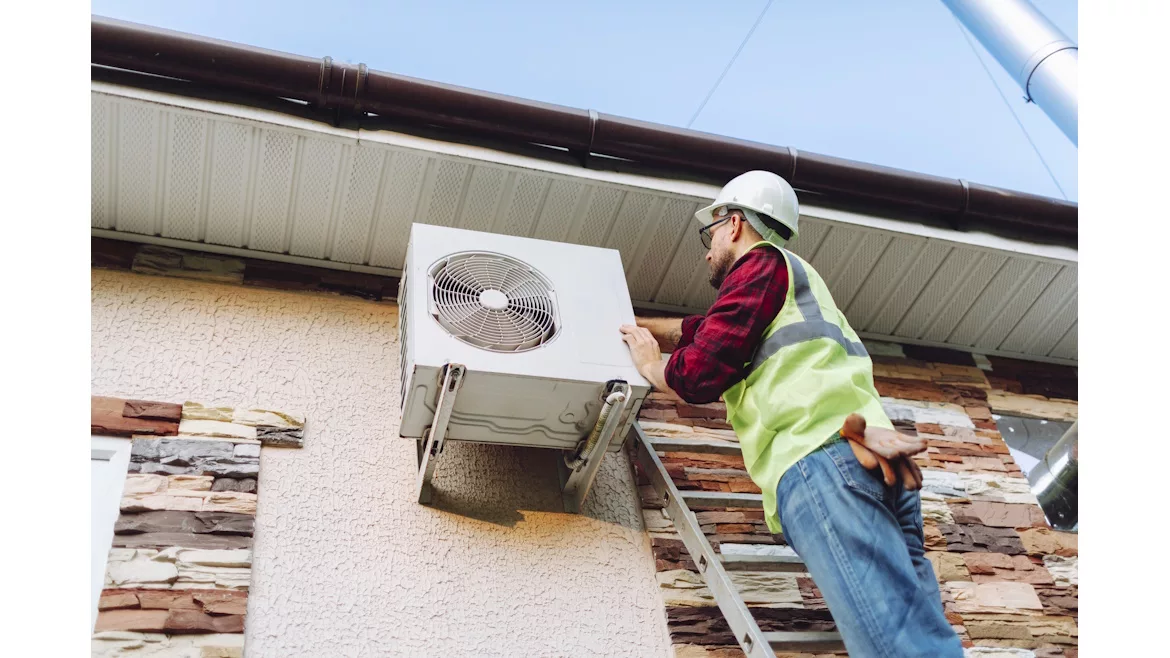
NEW HOMES, NEW HEAT PUMPS: Oregon has updated its energy code to require heat pumps to be installed in new homes instead of ducted a/c systems.
Oregon has mandated that new homes be built with heat pumps instead of ducted a/c, further evidence that states are seeking electrification to save on energy costs.
On Feb. 19, the Oregon Building Code Division’s Residential and Manufactured Structures Board approved a package of updates to the state’s residential energy code. Among the updates is the requirement of a heat pump for both heating and cooling for new residential construction with a split-system air-conditioning system.
The new requirements allow for other fuel sources, such as natural gas, to provide supplementary and backup heat. It’s a move that offers flexibility in a time when states are looking to move toward electricity for heating.
The Oregon Department of Energy submitted a letter in support of the changes. Additionally, 54 building professionals, elected officials, and climate resilience organizations submitted a letter supporting the codes as well.
“This measure offers a balanced approach that aligns with multiple state goals and provides homeowners and builders with fuel choice flexibility,” the Department of Energy letter states.
Among the goals this helps achieve is a directive for at least 500,000 new heat pumps to be in operation by 2030 for owners, operators, or residents of residential and commercial buildings. It also contributes to reducing greenhouse gas emissions due to the “energy-efficient nature of heat pump technology,” according to the Department of Energy.
“The code update is an upgrade in both comfort and affordability. The increased energy savings for new construction will benefit every Oregonian who moves into one of these new homes for years to come,” said Eleanor Ponomareff, city council president of Talent, Oregon, in a written statement. “Our building codes are about the future we want and how we prepare for more extreme weather.
Looking for quick answers on air conditioning, heating and refrigeration topics? Try Ask ACHR NEWS, our new smart AI search tool. Ask ACHR NEWS
“This code improvement will help us both be safer and more resilient, and reduce pollution by relying more on clean sources of heat and cutting down energy waste.”
According to reports from the Oregon Chronicle, residents of Oregon’s three private, investor-owned electric utilities have endured double-digit rate hikes since 2020. The Building Code Division estimates the new mandate will save residents an average of $125 per month and over $1,700 per year on energy bills.
In a statement, Joshua Salinger, founder and CEO of Birdsmouth Design-Build in Portland, Oregon, said the energy code should ensure that proven technologies can reduce energy costs across the state.
“I've been installing heat pumps for years, and have seen how cost-effective they can be for both builders and homeowners,” said Salinger.
Todd Titus, director of state government affairs at HARDI, said a homeowner may be able to avoid the entire heat pump requirement in new home construction by investing in additional "optional" home energy-efficiency measures. There are about three to four additional measures, depending on the home size: high-efficiency HVAC systems, high-efficiency water heating systems, wall insulation upgrades, advanced envelope, ductless heat pumps, high-efficiency thermal envelope, and air leakage control and efficient ventilation.
"Generally, HARDI opposes all forms of rulemaking that restrict consumers' choice of energy. Such a requirement in Oregon that is forcing heat pump air-conditioners unless the homeowner spends additional money on home energy-efficiency upgrades beyond the minimum requirements," Titus said. "We believe that consumers of new construction and existing residences should be able to live with the energy source they believe best fits their lifestyle and financial situation."
Electrification at a Cost
While the new move is a step toward electrification and the potential to reduce greenhouse gases, HVAC contractors will need to adapt to keep up, which isn’t always easy.
"Other states will absolutely look to do similar initiatives. Title 24 in California is already working on its building code for residential new construction," said Titus. "The contractor needs to not only ensure they are prepared and trained for electric heat pump installations with natural gas backups, but also can thoroughly explain and answer the questions the homeowner will inevitably have."
Bryan Orr, president of Kalos Services in Florida and host of the HVAC School Podcast, noted that contractors looking to switch over to heat pumps don’t always have the luxury of time or resources.
“Cost is absolutely a factor,” he said. “On the contractor side, electrification often means panel upgrades, service upgrades, new branch circuits, and in some cases, transformer or utility coordination.”
Staffing levels remain low for the industry, and more experienced technicians may find it difficult to transition after decades of working on more traditional technology. This means contractors will need to train up their technicians as more heat pumps enter the market, whether through mandates like Oregon’s or consumer demand.
“Contractors who invest in training and take a building science approach can position themselves as trusted advisors rather than simply installers reacting to policy shifts,” Orr said.
UPDATED 2/27/2026 with information from HARDI
Looking for a reprint of this article?
From high-res PDFs to custom plaques, order your copy today!