Guest Column
How to Sell HVAC Replacements Instead of Repairs
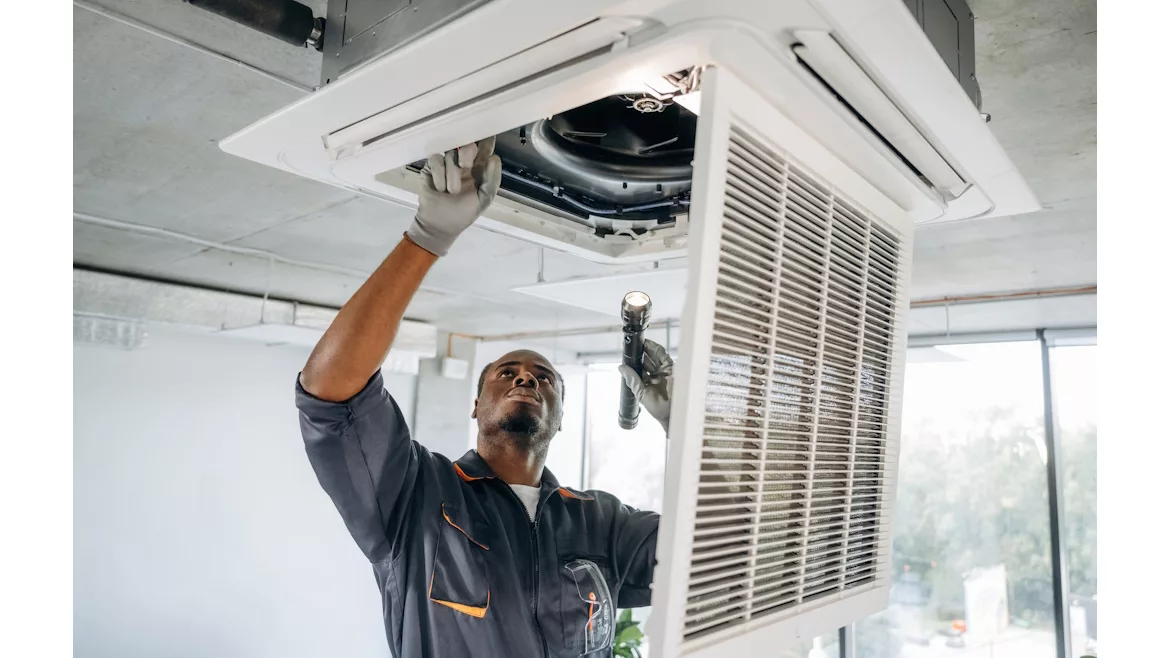
ALL THE FACTS: Before approving a costly repair, homeowners deserve to understand how replacement can reduce worry, improve comfort, and lower energy bills.
As comfort equipment prices rise, more buyers are looking to repair instead of replace their broken HVAC system. Before making the repair give your customers an option to replace. Ask questions that help buyers make educated decisions and sell themselves on better comfort.
Are you concerned it will break again?”
Repairs Don’t Provide Peace of Mind
The biggest difference between a repair and a replacement is peace of mind. Peace of mind is freedom from worry. Fixing the old one can create uncertainty and concern that it will break again when they need it most.
Consumers hate the thought of spending good money after bad. Before sinking $1,500 repairing a fifteen-year-old unit, it is natural for buyers to worry;
“When will it break again?”
Tell how a new comfort system with a 10-year warranty can eliminate worry, concern, and sleepless nights from a broken air conditioner.
Repairs Don’t Improve Comfort
Buyers have the opportunity to solve comfort problems they’ve been living with for years. Questions that help you to discover unsolved problems;
Looking for quick answers on air conditioning, heating and refrigeration topics? Try Ask ACHR NEWS, our new smart AI search tool. Ask ACHR NEWS
Health concerns — Is anyone in your home allergic to airborne particles like pollen?
Physical comfort — Are there any areas that are always too hot or too cold?
Emotional Comfort — How does that make you feel knowing that?
Financial Comfort — Would reducing the cost to heat and cool your home by 35% be a high, medium, or low priority?
Repairs Don’t Reduce Energy Bills
Help buyers choose their energy bill for the next 15 years. The greater the comfort, the higher the energy savings. Upgrading from 12 SEER to 18 SEER would reduce buyers’ energy bill by about 33%.
Repairs typically don’t solve energy-wasting problems found in up to 90% of homes. Tell how you’ll correct problems during the installation that can reduce their power bill even more.
“Nothing else in your home pays you to own it.”
Repairs are Costs; Replacements are Investments
The age of your customer comfort system can affect their home’s resale value. Showing buyers their estimated Return on Investment turns an expense into an investment, which improves your odds of making the sale.
A $15,000 comfort system that reduces energy cost by $500 per year would give your buyers a 3.3% ROI.
$500÷$15,000=3.3% Return on Investment
Repairs Don’t Create Desire
“People have a burning passion to be better off today than yesterday and better off tomorrow than today.” — Abraham Maslow
A strong need for something better is called desire. Each desire is a blend of logical and emotional needs. Peace of mind is an emotional need; energy saving provides the logic.
Create desire by showing buyers how you can safeguard their family’s health, improve home comfort, reduce energy bills, and protect them with a 10-year, worry-free warranty.
Price
Desire is more important than price
Imagine a balance beam scale with price on one side and replacement benefits on the other. Every time you add a desired benefit, the value goes up, and the price seems smaller. When buyers desire something enough, they will spend less in other areas to get it. A subconscious sale typically takes place when benefits outweigh price. The actual sale happens after you help your buyers find the money.
Financing
The more financing options you have, the luckier you get
Most homeowners never think about replacing their HVAC system, much less have money set aside for an unplanned multi-thousand-dollar purchase. Consumer financing allows buyers to pay for peace of mind comfort today with tomorrow’s dollars.
Long-term financing provides the lowest monthly investment and longest payment terms, like 120-month financing. Estimated monthly energy savings can be deducted from their monthly investment amount to show a lower out-of-pocket cost.
Short-term financing, like 90 days same as cash, could be a great financing option. It gives your buyers time to get a lower interest home equity loan, cash in some CDs, or wait for a tax refund.
Leasing is different than financing. A third party owns the equipment, not the homeowner. If the buyer defaults, the leasing company might remove the equipment. At the end of a typically 10-year lease, the buyer has the option to own the equipment by paying the residual, which could be up to the original purchase price. Read and understand everything you are asking the customer to sign. Know the necessary paperwork, and be glad to answer any questions buyers may have.
Your competition. Your competition could be a kitchen remodel, summer vacation, or downpayment on a new car, anything that targets your buyer’s limited discretionary income. Research shows buyers with limited funds buy what they desire most.
Not every customer will replace the old HVAC system now, but almost all will appreciate learning their options and benefits. Sooner or later, every system dies. Stay in touch. Keep reviewing the benefits of replacing their old system now. Plant replacement seeds you can harvest tomorrow.
Looking for a reprint of this article?
From high-res PDFs to custom plaques, order your copy today!