ACHR News
search
Ask ACHR NEWS AI
cart
facebook twitter instagram linkedin youtube
  • Sign In
  • Subscribe
  • Sign Out
  • My Account
ACHR News
  • NEWS
    • Breaking News
    • New HVAC Products
    • Featured Products
    • Manufacturer Reports
    • HVAC Data
    • Legislation
    • ACHR NEWS Centennial
  • RESIDENTIAL
    • Air Conditioners
    • Furnaces
    • Residential Heat Pumps
    • Ductless
    • Residential IAQ
    • Testing, Monitoring, Tools
    • Components & Accessories
  • COMMERCIAL
    • Air Handlers
    • Rooftop Units
    • Chillers and Cooling Towers
    • Commercial Heat Pumps
    • Boilers and Hydronics
    • VRF/Ductless
    • Commercial IAQ
  • REFRIGERATION
    • Refrigerants
    • Refrigerant Regulations
    • Leak Management
  • CONTRACTOR PRO
    • Geothermal
    • Homeowner Study
    • VRF and VRV Ductless
    • Unitary Trends
  • EDUCATION
    • Training and Education
    • Business Management
    • Service and Maintenance
    • Continuing Education
    • Market Research >
      • HVAC Brand Awareness Report
      • VRV, VRF, VRVZ Report
      • Unitary Trends Report
      • Water Heat Professionals Report
    • Webinars
    • Sponsor Insights
    • eProducts Info
    • White Papers
  • EVENTS
    • HVAC Contractor Forum
    • Industry Events and Webinars
  • MEDIA
    • Videos
    • AHR Expo 2025 Videos
    • Podcasts >
      • ACHR News Podcast
      • HARDI Podcasts
      • AHR Expo Podcasts
      • ACCA Podcasts
    • Interactive Spotlights
    • Quizzes
    • eBooks
    • HVAC Talkback
  • HVAC GROUP
    • ACHR NEWS >
      • Current Issue
      • Digital Edition
      • Subscribe
    • Distribution Trends
    • SNIPS NEWS >
      • Join SNIPS NEWS
    • Engineered Systems News >
      • Join ES News
    • HVACR Directory
    • Contests
    • Newsletters
    • Contact
    • Advertise
    • My Account
NewsRefrigerationGuest ColumnRefrigerants

FROSTline

Embrace Low-GWP Refrigerants with Confidence

Understanding EPA rules can help make the transition to A2Ls safe and seamless

By Paul Dombroski
Trane Refrigerant (1).jpeg

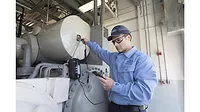
NEW CLASS: Legacy refrigerants like R-410A are being phased out and replaced with a new class called A2Ls. (Courtesy of Trane) 

May 5, 2025

Refrigerant management is one of the most effective ways to decarbonize. By transitioning HVAC equipment to low-GWP refrigerants, organizations can help limit the HFCs they release into the atmosphere and reduce a building’s carbon footprint. For these and other reasons, the U.S. Environmental Protection Agency (EPA) now requires all new HVAC equipment to use low-GWP refrigerants.  

This is not the first time the HVAC industry has had to adopt new refrigerants. More than 30 years ago, the Montreal Protocol changed the rules on ozone-depleting chemicals. That change provides a good roadmap on how to adapt to the most recent refrigerant mandates: understand the refrigerants, know the rules, and adjust internal protocols accordingly. 


All About A2Ls 

Legacy refrigerants like R-410A are being phased out and replaced with a new class called A2Ls. There are more than half a dozen A2L refrigerants, including R-454B and R-32. These refrigerants have a low GWP and are non-toxic; however, they are also slightly flammable. 

For decades, the HVAC industry did not have to worry about refrigerant flammability. But with some of the new low-GWP refrigerants, flammability is once again a concern. While any flammability can be concerning, the risk must be put into context. Advanced refrigerants like R-454B can only be ignited by an open flame or a heat source that kicks out 1290°F. In other words, even flammable refrigerants are not that flammable. Still, it’s essential that they be safely contained, particularly when used near people. 

To ensure the industry is using A2L refrigerants safely and consistently across all applications, ASHRAE has updated Standard 15 to provide the HVAC industry guidance on how to comply with the new mandate.  

HVAC systems are classified into two groups, high or low probability, based on the likelihood that refrigerant could affect people. Should a high-probability system leak refrigerant, there is a significant risk those fluids will affect an occupied space, such as an office or an apartment. If a low-probability system were to leak, the refrigerant would go into (mostly) unoccupied, inaccessible areas, like a machinery room in a stand-alone building, posing little risk to occupants.  

These designations also influence the types of refrigerants being used and what mitigating systems must be installed. For high-probability products and systems with A2L refrigerants, this is required. While the rules for low-probability spaces are less stringent, that doesn’t mitigate the need to install leak detection and ventilation in those areas to alert the systems, the building team, or the occupants when there is a problem. 

Looking for quick answers on air conditioning, heating and refrigeration topics? Try Ask ACHR NEWS, our new smart AI search tool. Ask ACHR NEWS →


Leak Detection 

Because occupant safety is the primary goal, ASHRAE has established guidelines to keep everyone in the building safe. As a result, leak mitigation systems on HVAC equipment, and in the rooms where the systems live are required. Trane has added factory-installed leak detection systems to all models that contain more than 3.91 pounds of refrigerant.  

These appliance-based sensors activate when refrigerant concentrations reach 25% of the flammability danger zone. If a leak is detected, the system automatically activates mitigation steps within 15 seconds, including shutting down the compressors in the HVAC unit and increasing airflow. 

To generate the most comprehensive system response and meet the 15-second standard, the HVAC system should be connected to a building automation system. The BAS will initiate any additional mitigation actions and notify building operators if there are any leaks.  

Sometimes, an HVAC system with a factory-installed leak detection system is all a space needs, unless it is in a machinery room. For example, a room that houses a chiller with 1,000 pounds of A2L refrigerant requires additional ventilation and outside air to support the airflow. The room will also need a stand-alone leak detection system mounted on the wall to automatically initiate mitigation if a leak occurs. Contractors also need to identify potential ignition sources in the room, which must also be mitigated during a refrigerant leak. 

While the new EPA rules require significant changes, there are a lot of materials contractors and engineers can reference for the latest information. Application engineering and installation operation manuals explain which approaches work best with different systems and applications. ASHRAE also provides multiple publications to clarify the guidelines. Ultimately, once the rules are thoroughly understood and the appropriate mitigation measures are in place, these new practices will become automatic. 

KEYWORDS: A2L Refrigerants FROSTlines Refrigerant Phasedown

Share This Story

Looking for a reprint of this article?
From high-res PDFs to custom plaques, order your copy today!


Paul dombroski

Paul Dombroski is the refrigerant manager for Commercial HVAC North America at Trane. He has over 34 years of experience in the industry, specializing in complex chiller and refrigeration systems. In his current position, Paul works on refrigerant readiness, oversees EPA compliance and documentation for refrigerant servicing activities, and leads initiatives for technicians to improve productivity and efficiency. 

Recommended Content

JOIN TODAY
To unlock your recommendations.

Already have an account? Sign In

  • HVAC-enrollment

    The Trades Are Back: HVACR Programs See Nearly 30% Enrollment Spike

    A new wave of future technicians is entering the pipeline.  
    Training and Education
    By: Matt Jachman
  • 2025 Top 40 Under 40

    2025 Top 40 Under 40 HVACR Professionals List

    The 11th annual Top 40 Under 40 list highlights those...
    HVAC Residential Market
    By: Hannah Belloli-Oster
  • LG Ductless Mini-Split Systems

    The 9 Types of Heat Pumps

    As the U.S. moves toward electrification, heat pumps are...
    Ground Source Heat Pumps
    By: Joanna R. Turpin
Subscription Center
  • Create an Account
  • Start a Subscription
  • Manage My Account
  • Sign Up for Newsletters
  • Visit Customer Service
  • Update Preferences

More Videos

Sponsored Content

Sponsored Content is a special paid section where industry companies provide high quality, objective, non-commercial content around topics of interest to The News audience. All Sponsored Content is supplied by the advertising company and any opinions expressed in this article are those of the author and not necessarily reflect the views of The News or its parent company, BNP Media. Interested in participating in our Sponsored Content section? Contact your local rep!

close
  • An illustration shows a house with a geothermal heating system. Pipes are depicted running underground.
    Sponsored byClimateMaster

    Residential Tax Credits Are Ending, But Demand Continues

  • Piggy Bank
    Sponsored byWatercress Financial

    Energy Prices, Inflation, and HVAC: What Today’s Homeowners Care About

  • Refrigerated Food
    Sponsored bySolstice Advanced Materials

    R-455A Refrigeration: A Cold Storage Solution for the Future

Popular Stories

price-raising-practices.jpg

Rising Costs Force Contractors to Take a Harder Look at Pricing

DOE-sign.jpg

HVAC Groups Support DOE’s Rulemaking to Cut Energy Efficiency Mandates

Data-Center-Inspection.jpg

Can HVAC Train Enough Technicians for the Data Center Boom?

HARDI lolgo navy

HARDI Distributors' Sales Down Nearly 5% in May

Industry-Ethics_-Service-Calls.jpg

HVAC Contractor Agrees to $300K Settlement Over Alleged Deceptive Sales Practices

View The ACHR NEWS
Centennial Anniversary Timeline

The ACHR News Timeline Chart
Submit a Letter
Submit a letter to our editors.

Events

November 6, 2025

Next-Gen Data Center Cooling: HVAC Innovation and Real-World Solutions

On Demand As AI workloads and high-density computing push traditional cooling methods to their limits, the data center industry is accelerating the adoption of next-generation HVAC technologies.

July 22, 2026

Designing VRF Systems Using A2L Refrigerant

In this session, we will cover how to design VRF systems for the U.S. market using new A2L refrigerants. These systems provide an advanced zoning solution by using inverter technology to deliver precise heating and cooling control across multiple zones and spaces.

View All Submit An Event

Poll

Summer Staff

Are you fully staffed for the summer season?
View Results Poll Archive

Products

BNI Mechanical/Electrical Square Foot Costbook, 2026 Edition

BNI Mechanical/Electrical Square Foot Costbook, 2026 Edition

See More Products
Designing Systems Using A2L Refrigerant - Free Webinar - 7/22/2026

Related Articles

  • Carrier Chiller

    Chillers Go Green With Low-GWP Refrigerants

    See More
  • Refrigerant Cylinders - Horizontal

    New Course Details Working With Low-GWP Refrigerants

    See More
  • Johnson Controls Offers Chiller Platforms Compatible with Low-GWP Refrigerants

    See More

Related Products

See More Products
  • low grade.png

    Low GWP Refrigerant Safety: Flammable & Mildly Flammable Refrigerants Manual

See More Products

Related Directories

  • TruTech Tools Ltd.

    Quality Tools. Essential Support. TruTechTools.com is your source for Quality HVAC and Building Performance Tools and Test Instruments. Shop with confidence today with Free Shipping over $99.
  • Koura

    Koura, a global leader in refrigerants, produces innovative, low GWP Klea® refrigerant gases for the world's biggest organizations across commercial refrigeration, automotive and stationary air conditioning applications.
×

Sign Up. Stay Informed.

The #1 trusted source for the HVACR industry since 1926

SUBSCRIBE
  • RESOURCES
    • Advertise
    • Contact Us
    • Advisory Board
    • Classifieds
    • Submit a Letter
    • Directories
    • Store
  • ACCOUNT CENTER
    • Create an Account
    • Start a Subscription
    • Manage My Account
    • Sign Up for Newsletters
    • Visit Customer Service
    • Update Preferences
  • SERVICES
    • Marketing Services
    • Reprints
    • Market Research
    • List Rental
    • Survey/Respondent Access
  • STAY CONNECTED
    • LinkedIn
    • Facebook
    • Instagram
    • YouTube
    • X (Twitter)
  • PRIVACY
    • PRIVACY POLICY
    • TERMS & CONDITIONS
    • DO NOT SELL MY PERSONAL INFORMATION
    • PRIVACY REQUEST
    • ACCESSIBILITY

Copyright ©2026. All Rights Reserved BNP Media, Inc. and BNP Media II, LLC.

Design, CMS, Hosting & Web Development :: ePublishing