Duct Dynasty
Make Sure Your Combustion Safety Diagnostics Don’t Stink
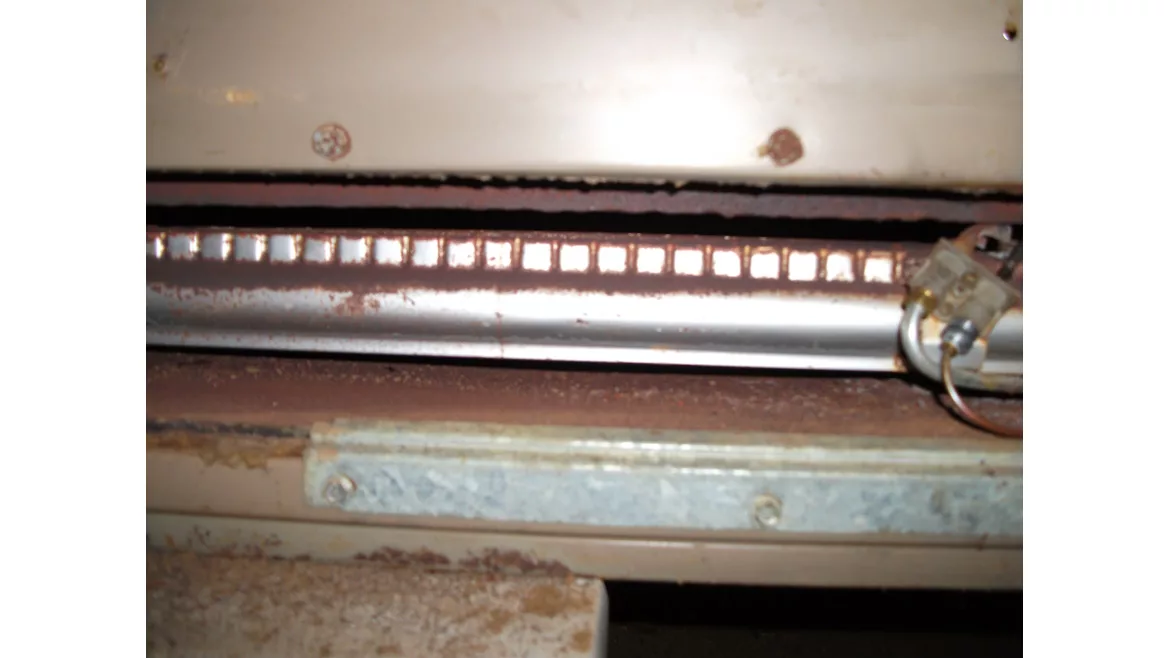
MORE THAN JUST SELLING REPLACEMENTS: Diagnosing combustion issues shouldn’t always lead to just replacement equipment. (Courtesy of David Richardson)
If you watch industry trends, you’ll notice combustion safety testing has gained popularity over the last few years. Just 20 years ago, people in our industry thought you were crazy or a fear monger if you mentioned carbon monoxide (CO). Increased attention to customer safety and equipment performance is encouraging because it is evidence that our industry is moving in the right direction.
Unfortunately, there are still some old assumptions that die hard. These myths continue to plague our industry and often keep well-meaning technicians from making a proper diagnosis. An example of this happened to me many years ago when I was a contractor attending an equipment replacement sales class with my dad.
In this class, we were presented with likely replacement scenarios and sales opportunities that we might encounter in the field. The instructors separated the class into groups of two and asked us to present potential solutions and replacement options for various problems. One such scenario was intriguing, but the proposed solutions were very disturbing. As you read on, see if you can spot the assumptions. Here is the scenario:
The “Call”
It’s early winter, and a customer calls the office to report an unusual smell in their home. This is the customer’s first winter in this house, and they have concerns.
When the technician arrives, they find an older natural draft gas furnace that has seen better days. The ribbon burners and heat exchanger are both rusted, but not corroded through. There is also a natural draft water heater that’s common-vented with the furnace.
Once the technician starts the furnace, they notice the flames are the proper height and color, but one burner flame occasionally flickers. An inspection with a mirror and flashlight shows no cracks in the heat exchanger.
The digital display on the CO alarm the homeowner purchased at their local home improvement store reads zero ppm (parts per million) the entire time the tech is there. If there was a problem, surely the CO alarm would have gone off or registered a number on the display by now.
Looking for quick answers on air conditioning, heating and refrigeration topics? Try Ask ACHR NEWS, our new smart AI search tool. Ask ACHR NEWS
The tech goes one step further and performs a spillage test on the furnace and water heater with a smoke puffer. They follow published industry standards, to be sure the equipment is safe. As they hold the chemical smoke near each drafthood opening, it sucks up into both faster than any equipment they have tested before. The tech feels good about the findings but can’t explain the smell.
The “Proposed Solutions”
Do you see anything in this scenario you would do differently? I sure did. I was confident we had the answers and eager to share them with the class.
As I got ready to proclaim to the class what was wrong with this example, my dad nudged me under the table and whispered, “Don’t be a know-it-all. Let’s see what the others came up with.” I’m glad I listened to him, or I would have missed everyone’s feedback.
The combination of an unusual smell, the occasional flicker in the flame, and smoke pulling hard up the flue should have been red flags for our class. Unfortunately, the focus was more on selling a new furnace than diagnosing these easily overlooked warning signs.
Every solution in the class focused on equipment replacement with various efficiency ratings. Most of the class assumed there was a cracked heat exchanger, even though the class manual said there wasn’t. Others said the furnace was old, and it needed to come out because of its age. A few others thought the answer was to remove the chemicals contaminating the combustion air.
In the end, all these solutions were just guesses — and bad ones at that. Nobody suggested performing combustion diagnostics to verify any of the assumptions made. In fact, the class made four assumptions based on the information and exercise context. I’m certain if they knew better, they would have discussed addressing these issues and asked important questions before proposing solutions.
The “Four Assumptions”
There are four assumptions our class made in this exercise. Did you notice them? You may have found yourself planning how you would handle a similar call. If you read my article “Common Combustion Testing Errors to Avoid This Fall,” I’ll bet you caught three of the assumptions immediately.
Seeing rust in the heat exchanger was the first assumption our class overlooked. When you see rust inside a heat exchanger, it’s a visual clue that flue gases are spilling and condensing inside the equipment. Our class assumed rust inside heat exchangers was normal. However, it can be a valuable visual clue to unsafe equipment operation. The moisture in flue gas has a typical pH value between 3.5 and 3.8 — it is acidic. The burners and heat exchanger were rusty because the flue gas was likely attacking the metal surfaces.
Looking at the flame to determine equipment safety was the class’s second assumption. This is one of the oldest myths in the HVAC industry. You can’t look at the flame to determine safe equipment operation. Rather, you must take multiple combustion readings to ensure safe equipment operation. There are several things besides a cracked heat exchanger that can cause a flame to flicker. Excessive draft pressure and duct leakage are just two potential reasons for flickering flames.
Depending on a store-bought CO alarm for safety was the third assumption. The class concluded there was no CO in the house because the store-bought alarm displayed zero ppm. This assumption could be dangerous because UL 2034-rated CO alarms don’t provide low-level CO protection. Every technician reading this needs a low-level CO personal protection device that reads down to 1 ppm and alarms as low as 15 ppm.
Performing a spillage test to assure safe operation was the final class assumption. In our scenario, the equipment had a strong draft pulling smoke up the drafthood. Excessive draft in a drafthood appliance can trap flue gases inside the equipment and cause it to spill from the burner compartment. The only thing smoke pulling up a drafthood proves is that room air is going up the flue. It doesn’t necessarily ensure that flue gases leave the equipment.
What About the Smell?
CO in its pure form is odorless. So why was there an unusual smell? We’ll never know for sure, but here is a good possibility — the homeowner was smelling aldehydes. Aldehydes often accompany flue gas spillage and indicate incomplete combustion is taking place. Since no combustion readings were taken in our example, there’s no telling how high the CO readings from the furnace or water heater were.
The lack of combustion readings is more concerning than all four assumptions. This example exercise didn’t even consider verifying equipment safety as a first step. If you can smell flue gas, there’s a good chance the equipment has high levels of CO. There was also no mention of duct system diagnostics. Duct leakage could also have been the culprit, causing flue gas spillage because of an airflow imbalance and room depressurization issues.
Test, Don’t Guess
Twenty years later, I’m confident many responses in a classroom exercise like this would be much different. How would you respond? I bet combustion safety testing would have been top of mind for many attendees.
What about your diagnostics? Would you base them on proven testing principles or simply guess and hope for the best? As our industry moves forward, we need to look beyond just equipment replacement as a solution to any problem. Some combustion safety issues are easy to overlook because duct system and building issues are the culprits.
Although the example was a classroom scenario, it could potentially be real. Don’t make these assumptions in your diagnostics and always be aware of your environment. These initial steps might prevent you from overlooking potentially unsafe equipment. If the answers aren’t obvious, start measuring and keep looking.
Looking for a reprint of this article?
From high-res PDFs to custom plaques, order your copy today!