ACHR News
search
Ask ACHR NEWS AI
cart
facebook twitter instagram linkedin youtube
  • Sign In
  • Subscribe
  • Sign Out
  • My Account
ACHR News
  • NEWS
    • Breaking News
    • New HVAC Products
    • Featured Products
    • Manufacturer Reports
    • HVAC Data
    • Legislation
    • ACHR NEWS Centennial
  • RESIDENTIAL
    • Air Conditioners
    • Furnaces
    • Residential Heat Pumps
    • Ductless
    • Residential IAQ
    • Testing, Monitoring, Tools
    • Components & Accessories
  • COMMERCIAL
    • Air Handlers
    • Rooftop Units
    • Chillers and Cooling Towers
    • Commercial Heat Pumps
    • Boilers and Hydronics
    • VRF/Ductless
    • Commercial IAQ
  • REFRIGERATION
    • Refrigerants
    • Refrigerant Regulations
    • Leak Management
  • CONTRACTOR PRO
    • Geothermal
    • Homeowner Study
    • VRF and VRV Ductless
    • Unitary Trends
  • EDUCATION
    • Training and Education
    • Business Management
    • Service and Maintenance
    • Continuing Education
    • Market Research >
      • HVAC Brand Awareness Report
      • VRV, VRF, VRVZ Report
      • Unitary Trends Report
      • Water Heat Professionals Report
    • Webinars
    • Sponsor Insights
    • eProducts Info
    • White Papers
  • EVENTS
    • HVAC Contractor Forum
    • Industry Events and Webinars
  • MEDIA
    • Videos
    • AHR Expo 2025 Videos
    • Podcasts >
      • ACHR News Podcast
      • HARDI Podcasts
      • AHR Expo Podcasts
      • ACCA Podcasts
    • Interactive Spotlights
    • Quizzes
    • eBooks
    • HVAC Talkback
  • HVAC GROUP
    • ACHR NEWS >
      • Current Issue
      • Digital Edition
      • Subscribe
    • Distribution Trends
    • SNIPS NEWS >
      • Join SNIPS NEWS
    • Engineered Systems News >
      • Join ES News
    • HVACR Directory
    • Contests
    • Newsletters
    • Contact
    • Advertise
    • My Account
NewsHVAC Residential MarketHVAC Light Commercial MarketHVAC Commercial MarketStandards and Legislation

International Code Council Stirs Up Its Mix of Codemakers

Architects, code officials object as ICC overhauls the process and range of participants for code updates
By Robert Beverly
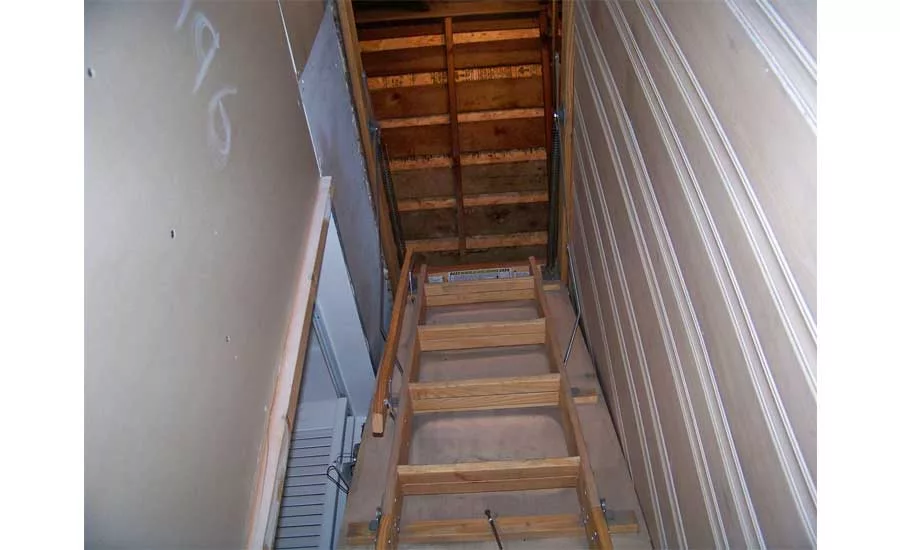
Pull-down ladder for safer service work in attics.

ESCALATING THE ISSUE: Proposals for the next round of International Residential Code revisions include an ACCA-sponsored measure that would require a permanent pull-down ladder for safer service work in attics. (Photo Courtesy Of Scott Arneman, CC-BY-SA-3.0.)

April 26, 2021
✕
Image in modal.

The blend of government and industry influences on building code development will shift to some degree in the coming months, away from those who have typically made the codes and toward those who have been responsible for meeting those codes.

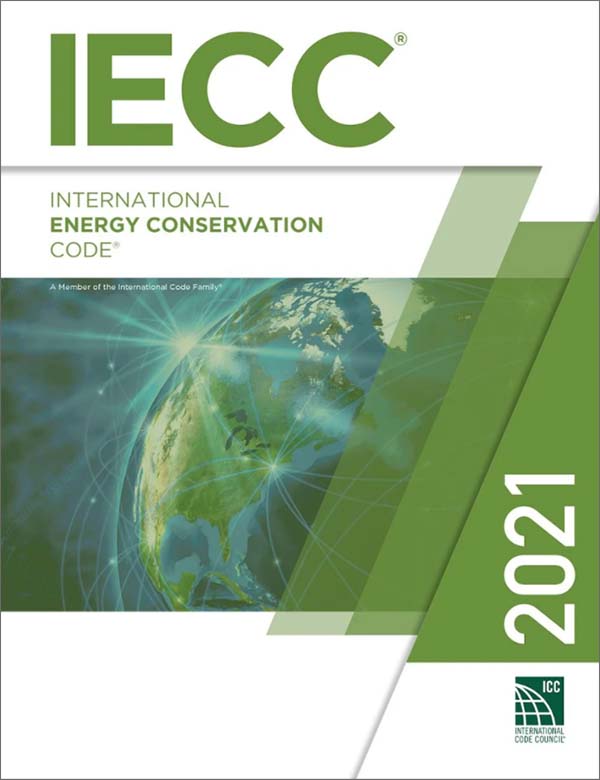
The 2024 International Energy Conservation Code (IECC) is still scheduled to arrive on time as part of the usual three-year cycle administered by the International Code Council (ICC). However, the ICC board of directors has implemented significant changes regarding who has formal input during IECC development and how that overall process is structured.

In what appears to be a response to the complexity of the issues requiring consideration and the traditional development process, ICC is shelving that process in favor of an ANSI-approved standards process for code updates.

A new Energy and Carbon Advisory Council will offer input during the process. The ICC is in the outreach stage of forming that body’s initial membership. The effect of that council on code substance remains to be seen, but its establishment has caused concern among some traditional stakeholders.


Builders Favor, Code Pros Oppose

The common argument for changing to the ANSI standards process cites the layers of steps to revising code in the previous process, along with some restriction on who could participate.

The ICC touts the new format as allowing proposed revisions to be considered more holistically, rather than strictly individually. The organization also expects the new process to streamline code updating and revision in a number of ways.

In addition, the ICC points to a requirement that each subsequent edition increases energy efficiency, whereas no such formal requirement existed before.

Looking for quick answers on air conditioning, heating and refrigeration topics? Try Ask ACHR NEWS, our new smart AI search tool. Ask ACHR NEWS →

“Future editions of the IECC will build on prior successes including an increase of efficiency requirements by about 40%, or an average of 8% a cycle from 2006 to 2021, allowing the IECC to remain a strong avenue for communities to reach their energy efficiency and sustainability goals globally,” said the ICC in a statement.

Opponents of the changes point to voting surrounding the 2021 code process as igniting the push for these changes. Increased levels of voting by code officials and disagreement over environmentally related measures in turn raised a desire, especially among homebuilders and some in construction, to respond.

The Energy and Carbon Advisory Council is expected to serve as one component to provide some counter to the traditional influence of code officials.

Public comments submitted to the ICC reflect the differences of the opinion among stakeholders.

Richard Moore, who works with Henrico County’s building inspections in Virginia, wrote, “The time it currently takes to get a code change approved is appropriate, and it gives those of us that enforce the regulations on a daily basis an adequate means of letting our opinions known with regards to code changes, including the IECC.”

A substantial number of other jurisdictions added similar sentiments.

Code officials were not alone. Architects and engineers voiced disagreement as shown by multiple letters from AIA chapters around the U.S.

ASHRAE, representing HVAC engineers, declined to comment specifically for this article, but it had already expressed its displeasure with a letter from its board. That letter outlined what it sees as several problems with the new standards-based setup. Most of them involved conflicts of various sorts with ASHRAE 90.1’s current wording, although the letter also mentioned “the appearance of a conflict of interest for ICC to develop standards and then adopt those standards into I-Codes.”

Again referencing the coexistence of the IECC and ASHRAE 90.1, ASHRAE wrote that if “ICC continues towards the path of developing the IECC as a standard, ASHRAE will be forced to request the retraction of the copyrighted content that was provided to the ICC.”

On the other hand, numerous members of the building industry, from private builders to manufacturers of construction materials, wrote to voice their support of changes they see as ameliorating an unwieldy status quo with regard to codes.

The powerful National Association of Home Builders joined more than one gas industry group in supporting the new changes, expressing special concern over transparency and other aspects of the old structure.

Lauren Urbanek is a senior energy policy advocate with the National Resource Defense Council. In a March post about the ICC’s moves, she said the NRDC is especially concerned about the prospect of more innovative greenhouse gas-related measures being shifted to the status of voluntary supplements instead of core code components.
ORBIS beverage pallets.

(Photo Courtesy Of ICC)

“The ICC contends the process change will ultimately be a better way to meet the needs of local governments that administer the codes and help them address their climate targets,” she wrote, “but whether that plays out depends entirely on how the ICC executes its new framework.”

AHRI’s vice president of public affairs, Francis Dietz, did not get into pros and cons of the ICC’s previous or new approaches, instead emphasizing his membership’s expertise and willingness to assist.

ACCA’s Wes Davis, director of technical services, relayed that his organization remains interested in the transition to the new process, with continued emphasis on promoting correct design and installation.

“The new process holds real promise,” Davis said.


Upcoming Proposals

Setting aside the debate around the “how” of code updates, the next update is in motion. Two ACCA proposals are on the table at this stage and due for discussion this month in ICC committee action hearings.

The RM1-21 proposed change to the International Residential Code would add a new requirement for a permanent pull-down ladder or stairs to safely access HVAC equipment installed in attics for servicing. Existing equipment would be exempted.

ACCA notes that this proposal came to them via the Conditioned Air Association of Georgia, who advocated for a similar recent change to the Georgia code.

The other proposal, for the International Property Maintenance Code, would add a requirement to comply with ACCA Standard 4 QM and ASHRAE/ACCA Standard 180 for maintenance of HVAC equipment and duct systems, which would cover residential and commercial buildings, respectively. ACCA and ASHRAE are co-proponents of that change.

Beyond the measures ACCA is sponsoring itself, the association has posted its recommendations (PDF) regarding approximately 10 other proposals in the current cycle.

These measures, proposed by either manufacturers or code officials, touch on an array of topics ranging from refrigeration cooling standards and A2L detection to proposing a new “air leakage factor” for ventilation rates and asking to delete a current relief valve discharge requirement.

Contractors interested in learning more about the specific proposals and ACCA’s positions on them can visit ACCA’s blog as well as ICC resources.

KEYWORDS: building codes construction and HVAC economy and HVAC energy conservation standards energy efficiency politics and HVACR

Share This Story

Looking for a reprint of this article?
From high-res PDFs to custom plaques, order your copy today!


Robert beverly achr

Robert Beverly has worked in HVAC press for BNP Media since 1998, serving as Engineered Systems' editor before joining The NEWS as a senior editor. In addition to covering legislation/regulatory issues and other assignments, he coordinates and edits Today's Boiler, the official magazine of the American Boiler Manufacturers Association. Robert likes music, the active tense, and air conditioning.

Recommended Content

JOIN TODAY
To unlock your recommendations.

Already have an account? Sign In

  • HVAC-enrollment

    The Trades Are Back: HVACR Programs See Nearly 30% Enrollment Spike

    A new wave of future technicians is entering the pipeline.  
    Training and Education
    By: Matt Jachman
  • 2025 Top 40 Under 40

    2025 Top 40 Under 40 HVACR Professionals List

    The 11th annual Top 40 Under 40 list highlights those...
    News
    By: Hannah Belloli-Oster
  • LG Ductless Mini-Split Systems

    The 9 Types of Heat Pumps

    As the U.S. moves toward electrification, heat pumps are...
    Air Source Heat Pumps
    By: Joanna R. Turpin
Subscription Center
  • Create an Account
  • Start a Subscription
  • Manage My Account
  • Sign Up for Newsletters
  • Visit Customer Service
  • Update Preferences

More Videos

Sponsored Content

Sponsored Content is a special paid section where industry companies provide high quality, objective, non-commercial content around topics of interest to The News audience. All Sponsored Content is supplied by the advertising company and any opinions expressed in this article are those of the author and not necessarily reflect the views of The News or its parent company, BNP Media. Interested in participating in our Sponsored Content section? Contact your local rep!

close
  • Piggy Bank
    Sponsored byWatercress Financial

    Energy Prices, Inflation, and HVAC: What Today’s Homeowners Care About

  • Refrigerated Food
    Sponsored bySolstice Advanced Materials

    R-455A Refrigeration: A Cold Storage Solution for the Future

  • Airex Rooftop Units
    Sponsored byAirex Manufacturing Inc

    Consolidating Roof Penetrations: A Growing Trend in Multifamily HVAC Design

Popular Stories

HVAC-Price-Increase-graphic

HVAC Price Increase List: June 2026

Trump-Section-232.jpg

Trump Reduces Section 232 Tariffs on HVAC Equipment to 15%

R410A-Refrigerant-Cylinder.jpg

Refrigerant Recovery is a Revenue Opportunity

Heat-pump-cutaway.jpg

PFAS Rules and A2L Building Codes Continue to Evolve

Midea-training.jpg

HVAC Workforce Crisis Expands Beyond Technicians to Instructor Shortages

View The ACHR NEWS
Centennial Anniversary Timeline

The ACHR News Timeline Chart
Submit a Letter
Submit a letter to our editors.

Events

November 6, 2025

Next-Gen Data Center Cooling: HVAC Innovation and Real-World Solutions

On Demand As AI workloads and high-density computing push traditional cooling methods to their limits, the data center industry is accelerating the adoption of next-generation HVAC technologies.

June 17, 2026

Decarbonization Without Disruption

This webinar will explore practical HVAC decarbonization strategies that minimize disruption while maximizing long-term performance and ROI.

View All Submit An Event

Poll

Summer Staff

Are you fully staffed for the summer season?
View Results Poll Archive

Products

BNI Mechanical/Electrical Square Foot Costbook, 2026 Edition

BNI Mechanical/Electrical Square Foot Costbook, 2026 Edition

See More Products
Decarbonization Without Disruption - Free Webinar - 6/17/2026

Related Articles

  • Thermostat management.

    International Code Council Removes Exception for Duct Leakage Tests

    See More
  • ICC

    International Code Council and International Association of Electrical Inspectors Launch Joint Electrical Certification Program

    See More
  • ICC

    The International Code Council Creates a New International Green Construction Code Certification

    See More

Related Products

See More Products
  • 21nrdpA-WVL.jpg

    2024 Uniform Mechanical Code Soft Cover w/Tabs

  • The ACHR News - August 11, 2025

    ACHR NEWS August 11, 2025, Issue

See More Products

Events

View AllSubmit An Event
  • November 4, 2025

    Connected Comfort: Exploring the Future of Smart HVAC Systems

    On Demand In this webinar, we’ll discuss how the HVAC industry is designing systems that offer a balanced mix of performance, safety and environmental responsibility with enhanced capabilities for more efficient maintenance.
View AllSubmit An Event

Related Directories

  • Associated Air Balance Council

    Associated Air Balance Council (AABC) sets standards for Total System Balance, certifies independent agencies, and ensures unbiased, high-quality services with a National Performance Guaranty and rigorous Quality Assurance Program.
×

Sign Up. Stay Informed.

The #1 trusted source for the HVACR industry since 1926

SUBSCRIBE
  • RESOURCES
    • Advertise
    • Contact Us
    • Advisory Board
    • Classifieds
    • Submit a Letter
    • Directories
    • Store
  • ACCOUNT CENTER
    • Create an Account
    • Start a Subscription
    • Manage My Account
    • Sign Up for Newsletters
    • Visit Customer Service
    • Update Preferences
  • SERVICES
    • Marketing Services
    • Reprints
    • Market Research
    • List Rental
    • Survey/Respondent Access
  • STAY CONNECTED
    • LinkedIn
    • Facebook
    • Instagram
    • YouTube
    • X (Twitter)
  • PRIVACY
    • PRIVACY POLICY
    • TERMS & CONDITIONS
    • DO NOT SELL MY PERSONAL INFORMATION
    • PRIVACY REQUEST
    • ACCESSIBILITY

Copyright ©2026. All Rights Reserved BNP Media, Inc. and BNP Media II, LLC.

Design, CMS, Hosting & Web Development :: ePublishing