Following survey results from restaurants across the country, Budderfly's senior energy engineering manager says the answer is more diagnostics – not more ventilation
A 251-site test-and-balance field study across forty national and regional quick-service brands found 91% running net-negative pressure, 46% of make-up air units not working, and a median imbalance of nearly 1,900 CFM.
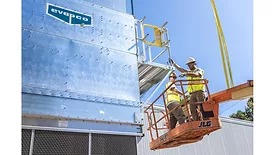
Downtime in hospitals, factories, and data centers is expensive — but avoidable. Here’s how contractors can use predictive maintenance, smart retrofits, and better planning to keep systems running.
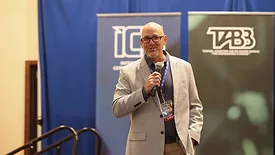
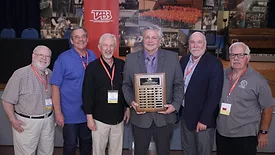
From summer helper to industry leader, Anthony Kocurek’s journey in TAB is marked by mentorship, advocacy, and a dedication to integrity—culminating in his induction into the TABB Hall of Fame.
Tracing Anthony Kocurek’s rise from a high school summer job in sheet metal to Hall of Fame recognition, highlighting the power of mentorship and a lifelong commitment to advancing the TAB industry.
Leaders and professionals in testing, adjusting and balancing (TAB) gathered in Albuquerque for the 2025 ICB Conference, exchanging insights on the future of indoor air quality, fire life safety, and workforce development.
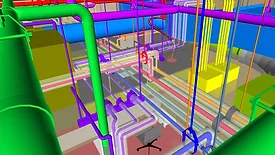
Documentation helps commissioning agents create functional performance test narratives and provides building owners with reference materials for future system recommissioning.
ES NEWS Columnist Miles Ryan writes this article not just for the commissioning providers out there, but for the controls techs and TAB providers who are consistently set up for failure.
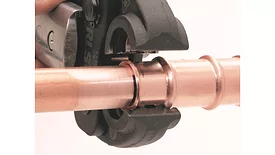
Attaining A2L compliance required RLS to participate in a thorough testing and screening process, across multiple 3rd party testing labs, ensuring that the RLS fittings adhere to updated industry code and standard requirements.
"We are seeing more engineers and owners wanting field verification of leakage and deflection to prove the unit meets the manufactures leakage and deflection rates," said Jeff Keene.
On Demand This session dives into practical strategies for controlling and monitoring multiple pieces of equipment at multiple locations, catching issues early, and streamlining maintenance, all while staying compliant with new A2L refrigerant safety requirements.